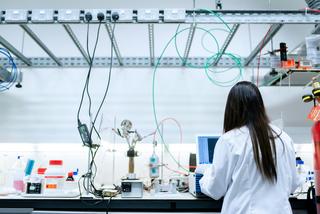
Scientists from KBSU improved "superplastic" for 3D printing of satellite parts and medical implants
The modified material retains its shape and opens up new possibilities for industry
The modified material retains its shape and opens up new possibilities for industry

New material exhibits high proton conductivity and thermal stability

The machine analyzes the position in seconds and calculates dozens of moves ahead
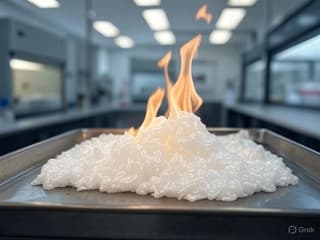
Researchers used a magnesium-based additive when burning the material
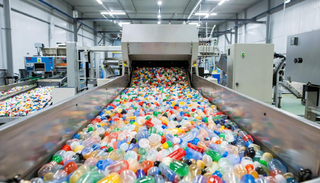
The technology carries out thermal decomposition of polymers in a closed system and releases a large amount of energy

Materials can operate in temperature conditions from -100 to +300 °C