Translated with AI from the Russian original.
Roscosmos and the China National Space Administration (CNSA) have signed a memorandum of understanding providing for cooperation on one of the missions of China's Lunar Program, the Kremlin press service reported.
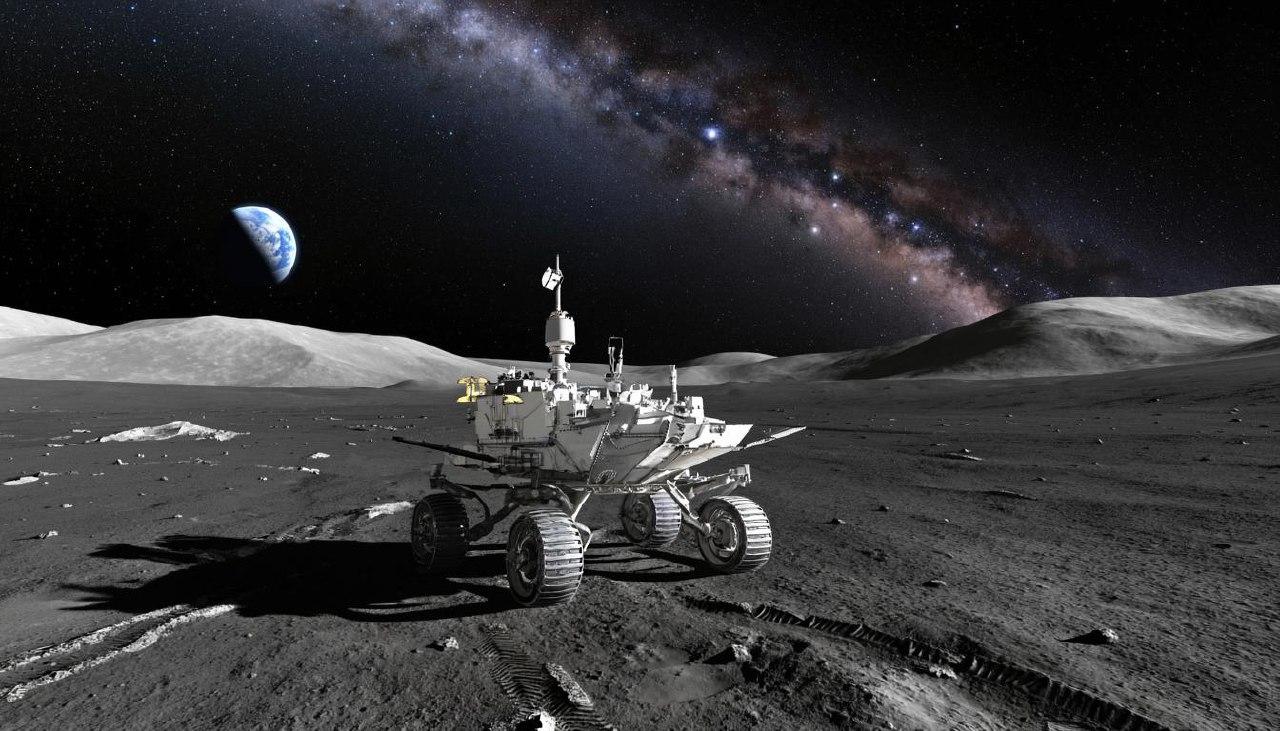
The agreement concerns the integration of the Russian scientific instrument "Lunar Dust Monitoring" into the Chinese Chang'e-7 (CHANG-E-7) automatic interplanetary station mission. It will be delivered by the Chang Zheng-5 carrier rocket. The launch is scheduled for 2026.
The instrument will register dust particles that, on the illuminated side of the Moon, can acquire an electric charge and levitate above the satellite's surface. It was also installed on the crashed Luna-25 station.
CNSA plans to land Chang'e-7 on the South Pole of the Moon. The goal of the Lunar Program is to prepare for a manned landing in the 2030s, followed by the construction of the International Lunar Research Station (a joint project with Russia).
In the summer of 2023, Roscosmos sent the Luna-25 automatic interplanetary station to Earth's satellite. It was launched from the Vostochny Cosmodrome. However, on August 20, the station entered an unplanned orbit, collided with the Moon, and crashed.
Read more on the topic:
Russia is flying to the Moon: testing of the landing module model has been completed
Space on the back burner: Russian missions to the Moon and Venus postponed
Never miss our newsAdd this site to your preferred sources to see us more oftenAdd on Google

















