Translated with AI from the Russian original.
Engineers at the Center for Composite Structures of the Moscow Aviation Institute (MAI) have begun developing an innovative method of virtual testing of new polymer composite materials for the aviation industry. The work will significantly reduce the time and cost of developing new aircraft, the university said.
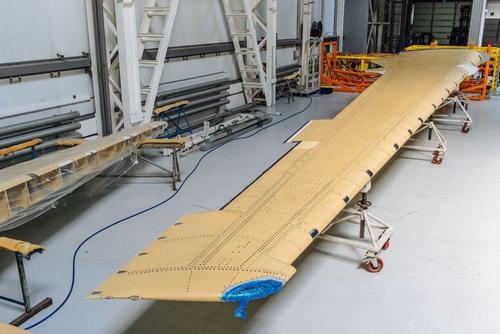
MAI clarified that manufacturers often use polymer composite materials in the production of modern aircraft, which are lighter and stronger than metals, and are also not susceptible to corrosion.
However, the methods for calculating the strength and certification of structures have so far been focused on metals and do not work for the heterogeneous structure of composites. This forces us to conduct a tremendous amount of lengthy field tests to prove the safety of a new wing or fuselage.
The essence of the project is to move from scheduled maintenance to predictive maintenance, which prevents the problem before it occurs. This approach will allow for safer and more cost-effective operation.
The engineers intend to create a digital system for managing the condition and predicting the residual life of critical composite structures. The system includes two stages: creating a digital twin model and implementing a monitoring system with elements for managing crack growth.
Never miss our newsAdd this site to your preferred sources to see us more oftenAdd on Google

















