Translated with AI from the Russian original.
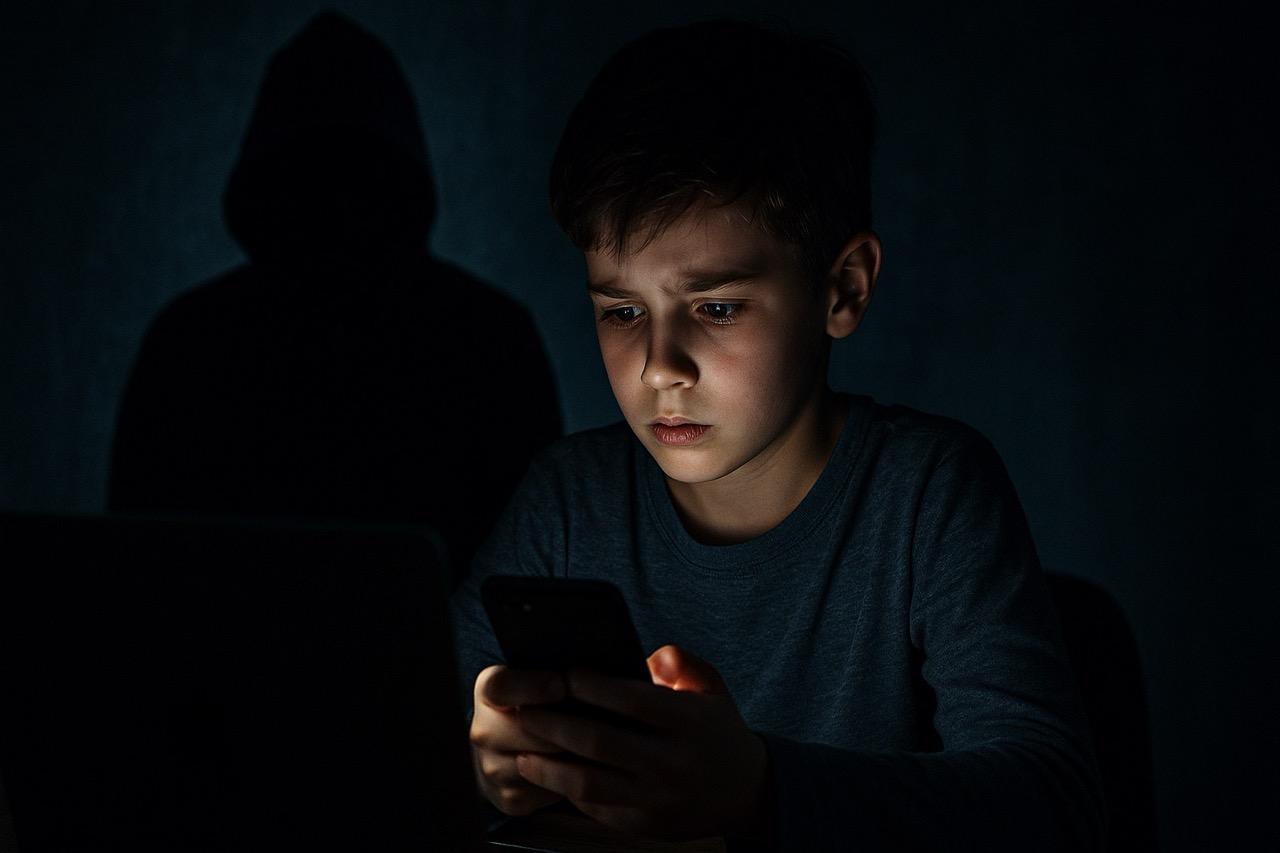
Russia is experiencing a sharp increase in the number of cyberattacks on bank customers using children. In the first six months of 2025, about 3,500 such incidents were registered.
The average damage from one attack increased almost 2.5 times - from 80 thousand to 190 thousand rubles, and the total damage may exceed 600 million rubles.
Fraudsters choose children aged 10-14 because of their gullibility and lack of digital literacy. Attackers reach victims through online games and messengers, posing as bloggers, teachers, or service employees. They ask to report codes from SMS, gain access to parents' phones, and in some cases even instruct children to put a sleeping adult's finger to the screen to unlock the smartphone.
Alexandra Radchenko, Head of Analytics at Fraud Protection, emphasized that the methods of pressure on children do not differ from the schemes used against adults.
Media expert Yuri Nesterenko, in turn, noted that one of the main problems is insufficient information for adolescents about ways to get involved in terrorist activities and fraud.
Read also on the topic:
Cyberattacks on schoolchildren increased by 70%: fraudsters disguise themselves as teachers and Unified State Exam services
Fraudsters manipulate children through messengers, offering to participate in a "secret operation"
Never miss our newsAdd this site to your preferred sources to see us more oftenAdd on Google

















