Translated with AI from the Russian original.
Specialists from the ballistic center of the Federal Space Research Program of Moscow State University and the private company "SPUTNIX" conducted an unusual experiment. The nanosatellite "Zorky-2M-2", designed for photographing the Earth, took detailed pictures of the Moon. This became possible thanks to accurate calculations of the trajectory and orientation of the device.
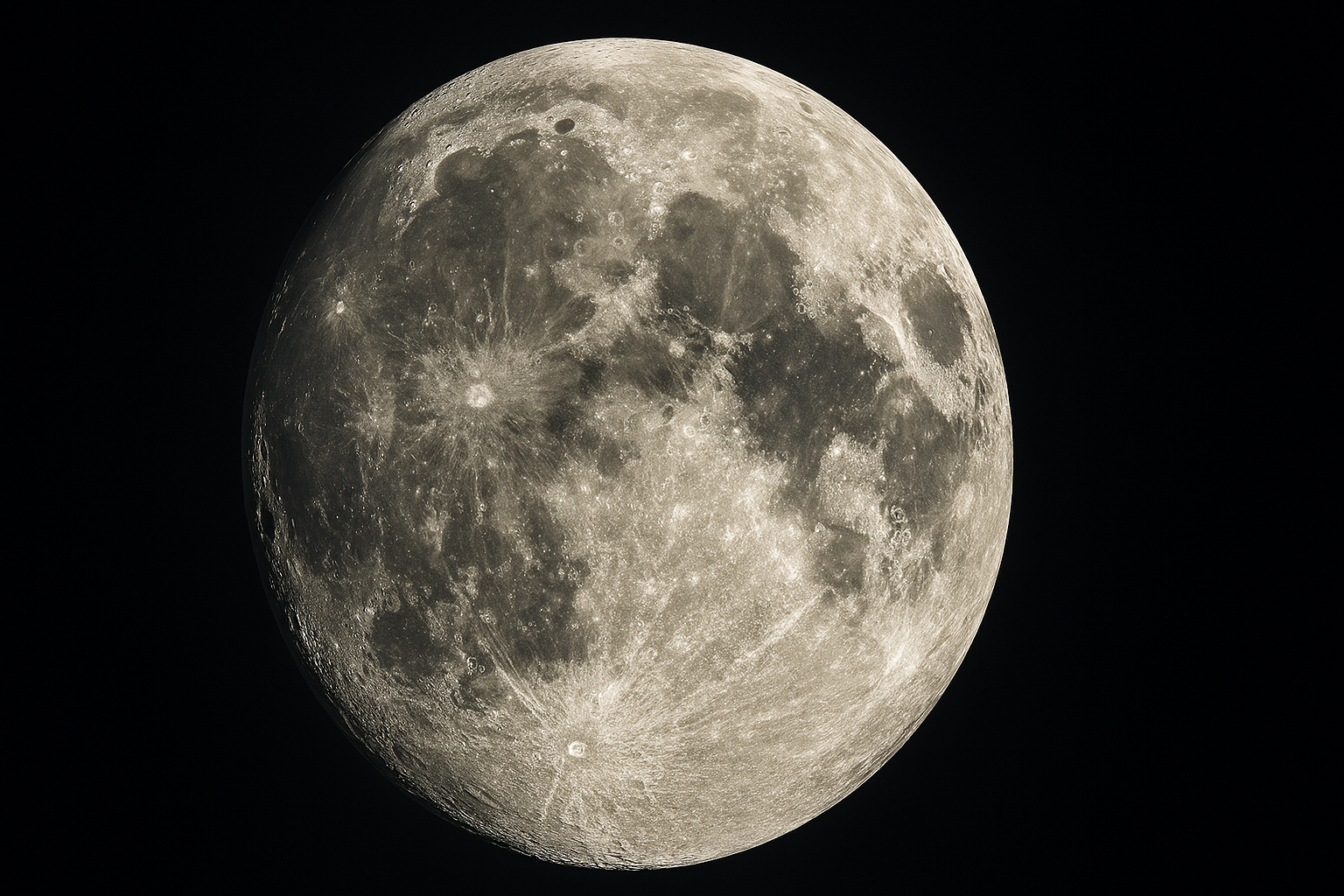
Usually, Earth remote sensing (ERS) satellites operate only on the illuminated side of the orbit. In the shade, their cameras are idle. Scientists decided to use this time for astronomical observations. The Moon is an ideal object for calibrating cameras. Its brightness and clear contours help to check equipment settings.
Such experiments - shooting space objects from ERS devices - are now gaining popularity in the world: this is both a demonstration of the capabilities of satellite equipment, and a solution to technological problems in calibrating cameras. This is a unique example of work at the intersection of various sections of mathematics, IT and engineering, since it is necessary both to catch the object in the lens, and to ensure the orientation of the satellite, and to prevent the camera from being exposed to sunlight, and to assess whether it is possible to "spin up" the satellite so that it can conduct shooting.
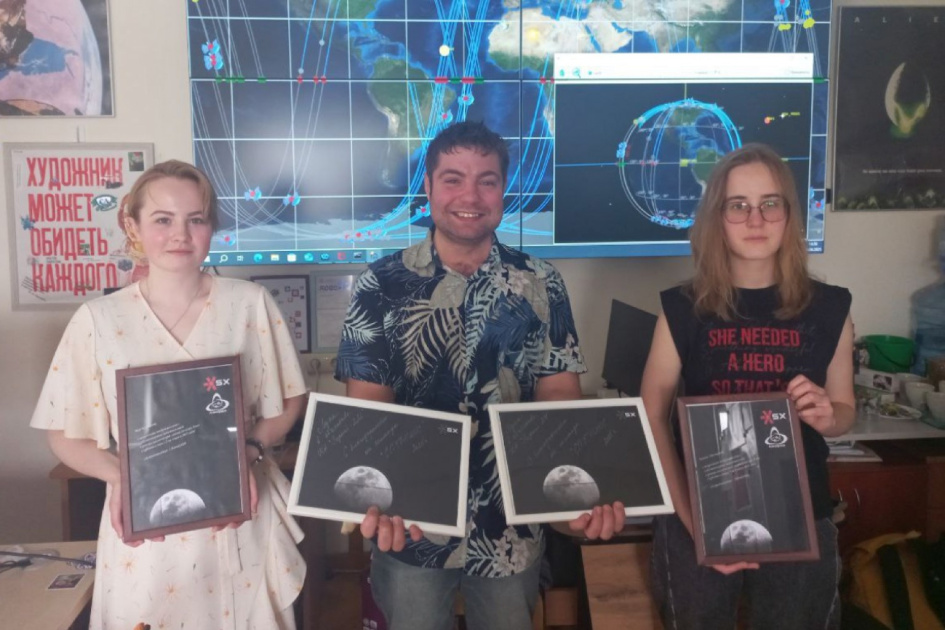
The MIDE and AstroPlanner programs developed at Moscow State University were used for the calculations. They help to plan satellite maneuvers taking into account many restrictions. The experiment also became a training task for students. They calculated the shooting parameters, modeled the rotation of the satellite and checked the visibility conditions of the Moon.
Read more materials on the topic:
Air leak from the Russian segment of the ISS is still ongoing
A cheaper and more durable catalyst for fuel cells was created by scientists at SFU
TRINITI and MEPhI are creating a training center for thermonuclear energy
Never miss our newsAdd this site to your preferred sources to see us more oftenAdd on Google

















