The launch of the Soyuz-2.1v rocket from the Plesetsk cosmodrome took place on February 5 this year. It was the last in history for this type of carrier.
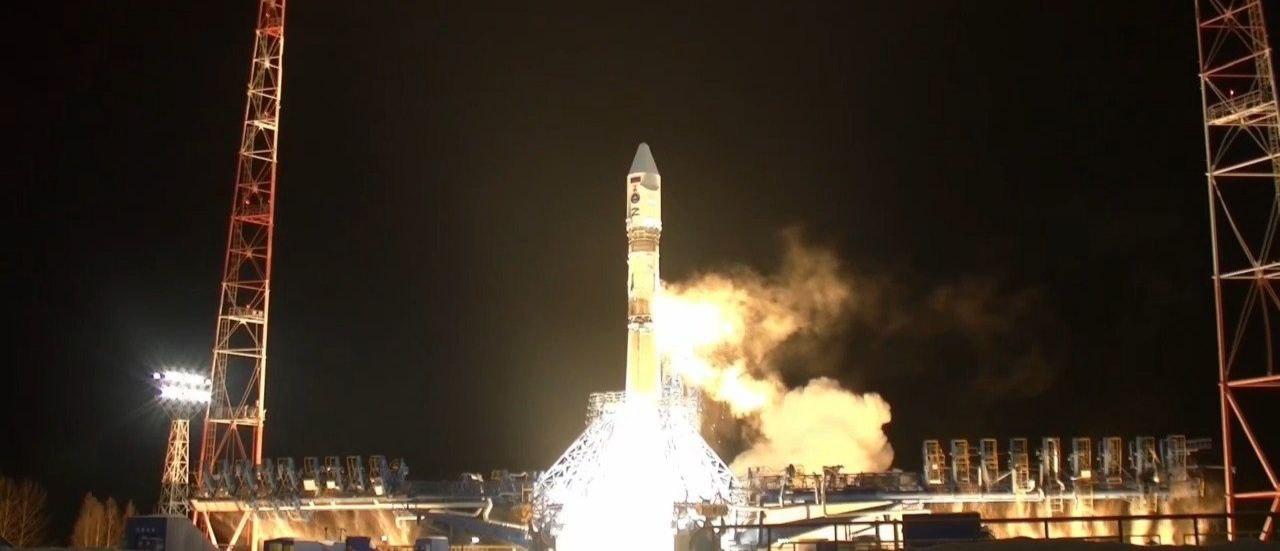
Yesterday's launch for "Soyuz-2.1v" was the thirteenth and last.
The "Soyuz-2.1v" rocket (created on the basis of "Soyuz-2.1b") is a light carrier that differs in the absence of four side blocks and the use of the NK-33 engine instead of the RD-108A. This engine was developed in the 1960s for the super-heavy carrier N-1, but after unsuccessful tests it was not put into series production. A small supply of NK-33 remained in warehouses. It was decided to use this engine for the "Soyuz-2.1v".
The first launch of the light rocket took place on December 28, 2013. Since then, 13 such rockets have been sent into space from the Plesetsk cosmodrome in the Arkhangelsk region.
Currently, Russia also produces the Angara-1.2 rocket, which is similar in payload capacity to the "Soyuz-2.1v". A complex of converted light-class Start-1M rockets will also appear at the Vostochny cosmodrome.
Earlierwww1.ru reported that the Soyuz-2.1v launch vehiclelaunched a classified satellite into orbit in the interests of the Ministry of Defense.
Read related materials:
New Year's gift: it became known when Russia will launch the new Soyuz-5 rocket
Never miss our newsAdd this site to your preferred sources to see us more oftenAdd on Google

















