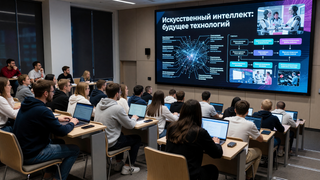
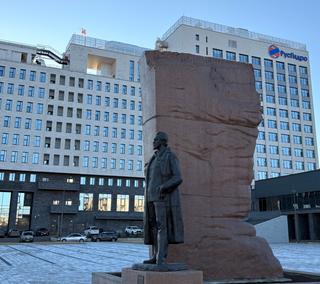
Viktor Khartov, General Designer of Automatic Space Systems, presented the concept of integrating manned and robotic technologies based on the Russian Orbital Station (ROS).
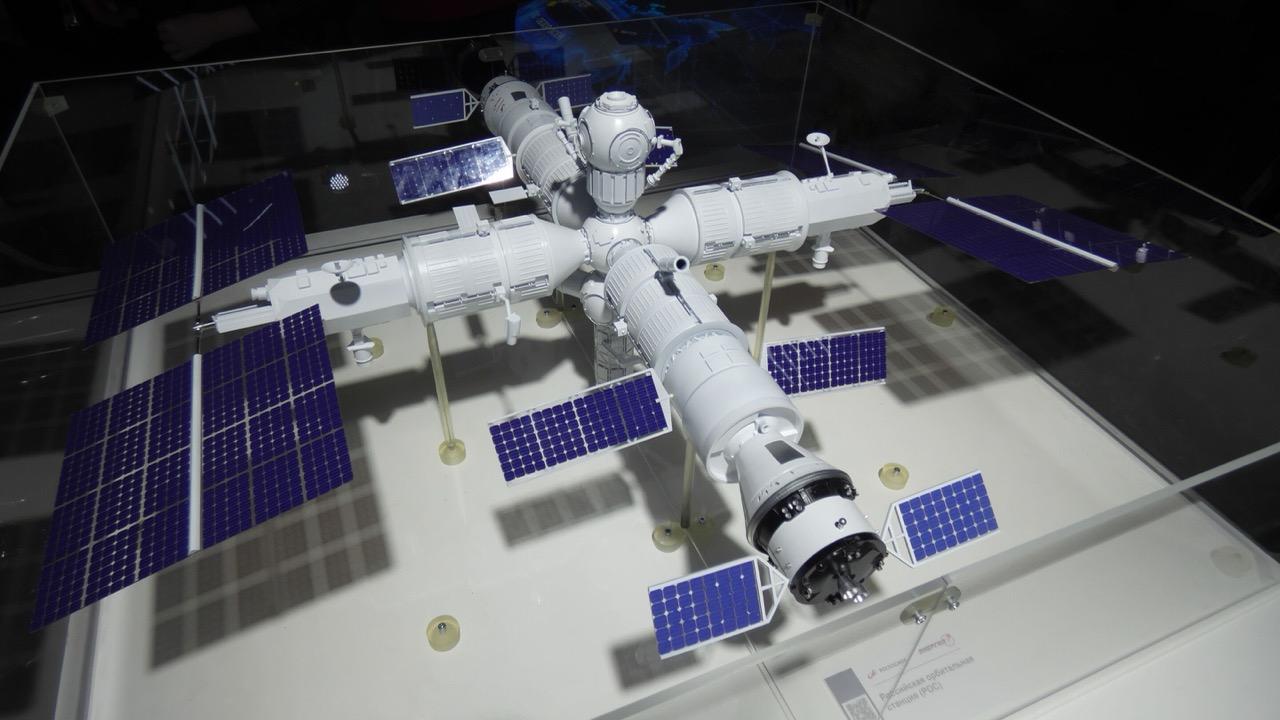
According to him, the project will create a "new entity" - a hybrid complex where the crew and autonomous vehicles will interact to solve a wide range of tasks.
Khartov emphasized that the effectiveness of such systems depends on their joint development, rather than separate design. Within the ROS framework, automatic platforms will be able to perform operations to replace scientific equipment, refuel, and assemble large structures, such as antennas or elements of orbital solar power plants. Cosmonauts will manage these processes, perform maintenance, and adapt the systems to current tasks.
One of the key capabilities will be the formation of a modular infrastructure in orbit. Automatic vehicles equipped with different types of payloads will be able to approach the station, which will simplify the modernization of scientific instruments without the need to return equipment to Earth.
The development of hybrid systems opens the way to more flexible and economical space exploration. The collaboration between humans and machines will reduce risks for the crew, increase the speed of operations, and expand the range of research.
Earlier,www1.rureported that the training of cosmonauts for the ISS and the Russian Orbital Station will be unified.
Read related materials:
Cosmonauts to Have Manned Flights to ROS Limited Due to Radiation
Modules-Simulators of the Russian Orbital Station for Training Cosmonauts Will Be Launched in 2027
Never miss our newsAdd this site to your preferred sources to see us more oftenAdd on Google