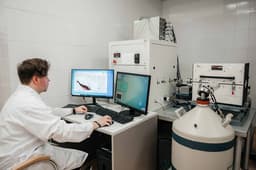
Tomsk Polytechnic University (TPU) has conducted research on the process of water boiling on materials modified by laser radiation, the university's press service reported.

The generally accepted theory of boiling has not yet been developed. This is due to many factors affecting the boiling process on various materials, among which the key ones are surface roughness and wettability.
In the course of the study, we found that non-contact methods of metal surface treatment allow us to form a texture in a wide range of changes in both roughness characteristics and its configuration, and to change wettability properties to extreme states - from superhydrophilicity to superhydrophobicity. Therefore, the treatment of heat exchange surfaces with laser radiation to intensify the processes occurring on it seems promising.
Treatment of heat-transfer surfaces with nanosecond laser radiation forms a micro-ribbed texture and improves wetting properties. This makes it possible to increase the heat transfer coefficient on aluminum alloys by more than four times, and on copper surfaces - by more than 2.5 times.
Earlier www1.ru reported that in Tomsk created a shape-memory alloy.
Read materials on the topic:
Russia has developed a super-light aluminum-scandium alloy for civil vessels
A Russian high-strength welding wire has been developed for airplanes, ships and rockets
A new catalyst based on boron and tungsten has been developed in Russia
Now on home

Герой России Гарнаев: никто из профессионалов о возобновлении производства на КАЗ всерьёз не говорит
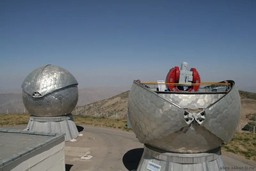
Система отслеживает спутники на высотах до 50 000 км и ведёт за ними наблюдение

The armored vehicle is equipped with a KamAZ-740.35-400 diesel engine with a power of 400 hp.
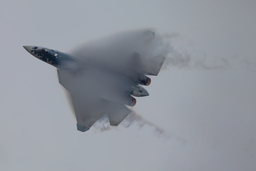
Constant improvements in avionics, weapons and tactical capabilities will make the aircraft a flexible response to future challenges

The exterior of the KamAZ-54901 features fairings on the cab and chassis for fuel economy
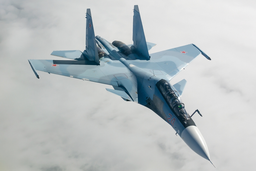
Fighters are in demand both domestically and abroad

Tyazhpromexport and Venezuela Agree on Plant Revival
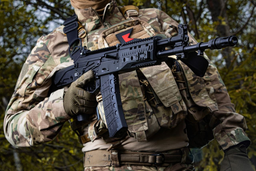
The company not only completed the state order, but also quickly mastered the production of AK-12K for special forces
Experts have developed a photogrammetric complex with a resolution of less than 1 cm