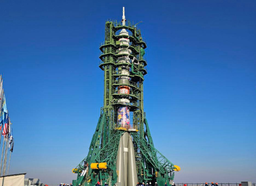
The Samara University named after Korolev has created the "SamSat-Ionosphere" nanosatellite. It has successfully passed the tests. This was reported by the press service of the university.
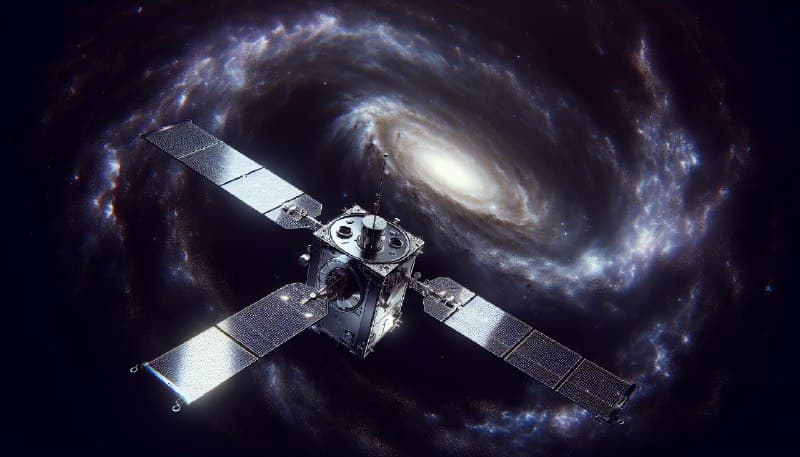
The device is planned to be used to study the plasma ionosphere and magnetosphere of the Earth.
The "SamSat-Ionosphere" nanosatellite has been assembled, the scientific equipment has been installed, the satellite has successfully passed all ground tests and is fully ready for the upcoming launch, scheduled for early November this year from the "Vostochny" cosmodrome.
The satellite will help in research that will improve understanding of the processes in the plasma and magnetic shells of the Earth. The data obtained will allow predicting and preventing communication disruptions, improving GPS accuracy and predicting earthquakes.
"SamSat-Ionosphere" will be the second small spacecraft on the "SamSat-ION" platform. The first nanosatellite of this series was successfully launched in 2023, and the third is planned to be sent into space in 2025.
Earlier, www1.ru reported that Russia is starting mass production of plasma engines for nanosatellites.
Read materials on the topic:
Applied for the first time: Russian "Gonets-M1" satellites will receive new frequency ranges
Now on home

Герой России Гарнаев: никто из профессионалов о возобновлении производства на КАЗ всерьёз не говорит
Система отслеживает спутники на высотах до 50 000 км и ведёт за ними наблюдение
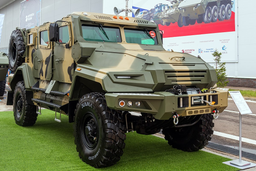
The armored vehicle is equipped with a KamAZ-740.35-400 diesel engine with a power of 400 hp.
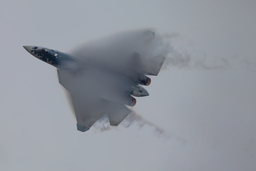
Constant improvements in avionics, weapons and tactical capabilities will make the aircraft a flexible response to future challenges

The exterior of the KamAZ-54901 features fairings on the cab and chassis for fuel economy
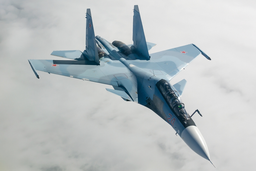
Fighters are in demand both domestically and abroad

Tyazhpromexport and Venezuela Agree on Plant Revival
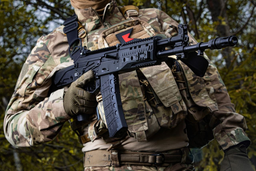
The company not only completed the state order, but also quickly mastered the production of AK-12K for special forces
Experts have developed a photogrammetric complex with a resolution of less than 1 cm