The Ka-52 "Alligator" attack and reconnaissance helicopter is one of the most popular combat helicopters in the Russian army. The Ministry of Defense of the Russian Federation has revealed the unique combat characteristics of the rotorcraft.
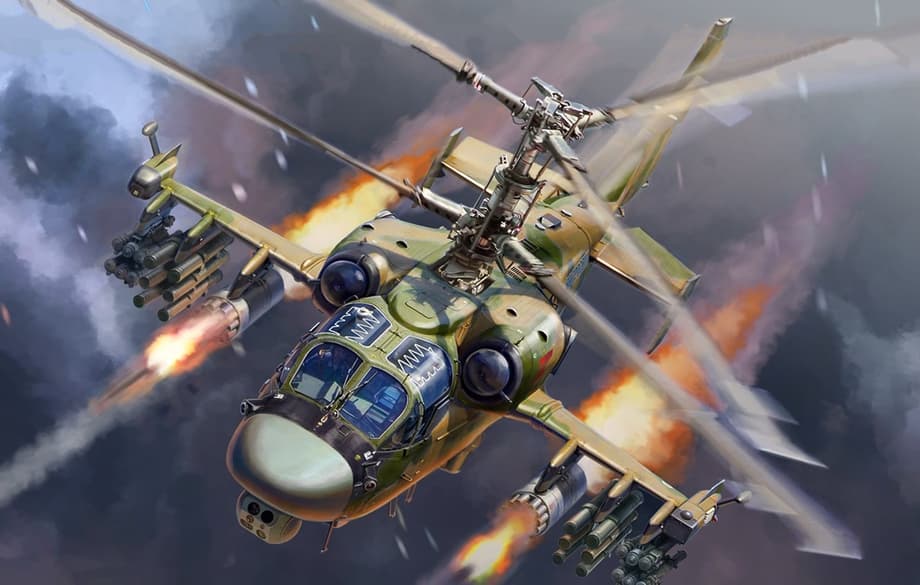
The department noted that the helicopter is capable of performing special tasks in any weather and at any time of the day. Two powerful engines lift the Ka-52 into the air even with gusts of wind of 25 m/s. On the Beaufort scale such wind is classified as a "strong storm". But for the "Alligator" this is not an obstacle.
The engines also provide the helicopter with high maneuverability. The Ka-52 can move in any convenient direction and at any speed: "sideways" – with the side forward along the course of movement, at extremely low altitudes, even in reverse, while developing speeds up to 100 km/h.
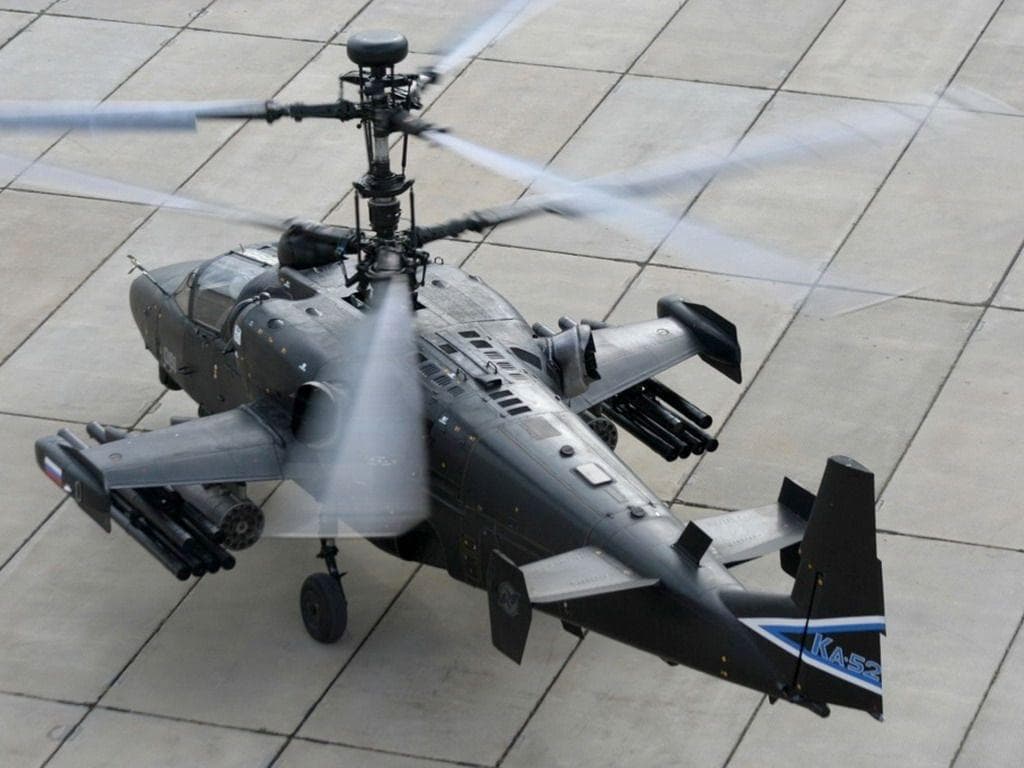
The "Alligator" also has reliable protection: reinforced armor of the frontal part and main elements protects from oncoming fire, and the onboard defense system — from MANPADS of the enemy.
Earlier www1.ru reported that the newest Berdysh reconnaissance drone is ready to be sent to the troops. It will detect a car in 6 km, and a person in 2 km.
Read materials on the topic:
Will burn Abrams and Leopard 2: the characteristics of the Upyr folk FPV drone have been revealed
Now on home

Герой России Гарнаев: никто из профессионалов о возобновлении производства на КАЗ всерьёз не говорит
Система отслеживает спутники на высотах до 50 000 км и ведёт за ними наблюдение

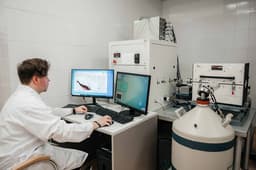
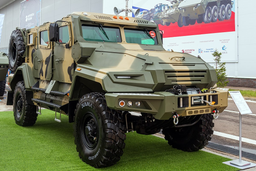
The armored vehicle is equipped with a KamAZ-740.35-400 diesel engine with a power of 400 hp.
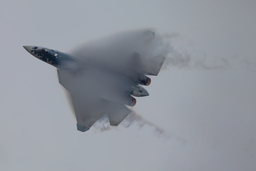
Constant improvements in avionics, weapons and tactical capabilities will make the aircraft a flexible response to future challenges

The exterior of the KamAZ-54901 features fairings on the cab and chassis for fuel economy
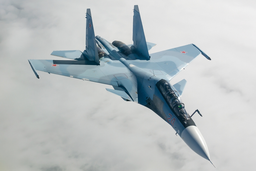
Fighters are in demand both domestically and abroad

Tyazhpromexport and Venezuela Agree on Plant Revival
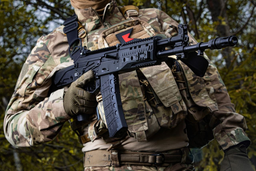
The company not only completed the state order, but also quickly mastered the production of AK-12K for special forces
Experts have developed a photogrammetric complex with a resolution of less than 1 cm