At the Perm National Research Polytechnic University (PNRPU), a solution has been found that will reduce the cost of producing underwater oil storage facilities due to their competent design. This was reported by the press service of the university.
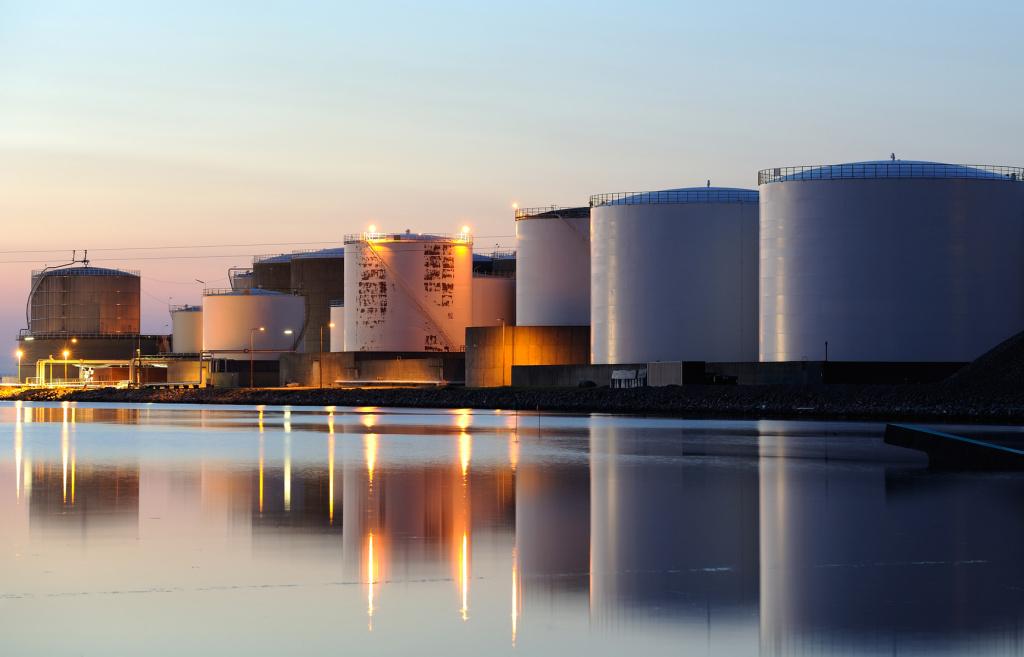
Scientists have calculated the parameters of oil storage facilities using the example of similar designs of underwater tanks. Studies have shown that to reduce their weight, it is necessary to use flexible membranes. They allow reducing the wall thickness and overall dimensions of the oil storage facility. This approach will reduce the cost of their production.
The weight of six Kongsberg underwater tanks (with a flexible membrane) with a total volume of 120,000 m3 is only 1,541 tons. This is 5.18 times less than in the case of M.S. Sonin's design. And the weight of 12 NOV underwater tanks is 2372 tons, which is 3.37 times lower. The preferred volumes will be underwater storage facilities with a capacity of 10,000 to 20,000 m3.
In the future, it is planned to study the problems of paraffin deposition in underwater tanks when the temperature of crude oil decreases in the surrounding sea water.
Earlier www1.ru reported that in the Saratov region created a technology to increase oil and gas production.
Read materials on the topic:
The first unique fine-grained titanium pipes are ready for the new nuclear icebreaker "Russia"
Russian high-strength welding wire has been developed for airplanes, ships and rockets
Never miss our newsAdd this site to your preferred sources to see us more oftenAdd on Google

















