In October, interference may appear on television screens due to solar exposure, which can lead to distortion of the signal received from the satellite. Since the beginning of September, there have been several strong flares on the star.
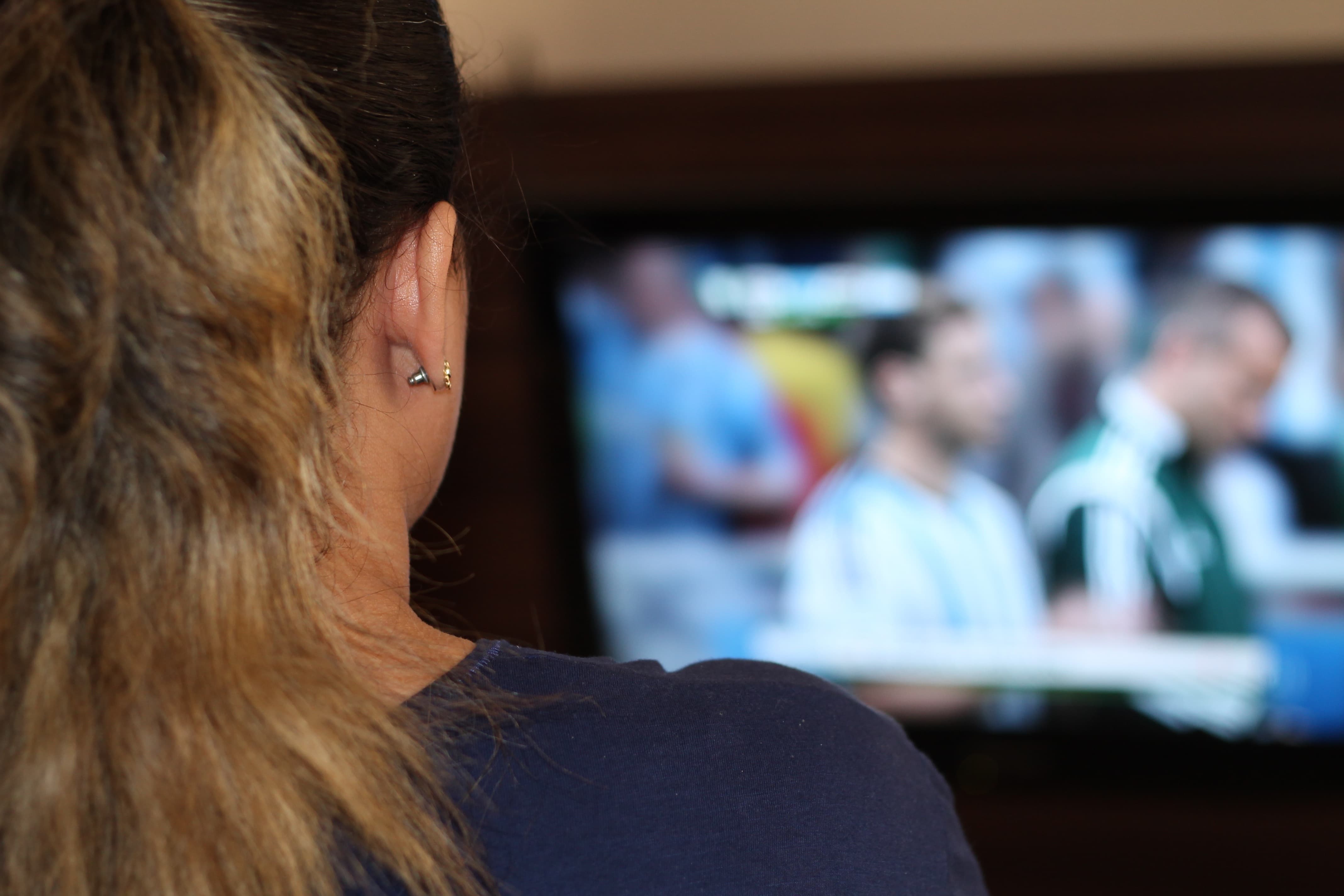
In Russia, the period of solar interference begins on September 27 — this is a natural phenomenon that can cause problems with receiving a television signal. For approximately three weeks, the Sun, the communication satellite, and the RTRS ground repeater will be on the same line with each other once a day.
The repeater, oriented towards the spacecraft, will receive powerful solar radio emission, which can drown out the useful signal from the satellite. If it drowns out, there will be interference on the screens of television viewers in the repeater coverage area.
If this signal is suppressed, interference may appear on the screens in the repeater coverage area, which will last from a few seconds to 22 minutes per day. Such problems may occur in different regions of Russia until October 21. Short-term "breakup" or "freezing" of the image on the screen is not dangerous and goes away on its own.
As a reminder, the strongest magnetic storm covered the Earth on September 17. It caused auroras in the western hemisphere of the planet. Several more magnetic storms were recorded in the middle and in late August. It is believed that magnetic storms can affect people with cardiovascular diseases and weather-sensitive people.