Scientists from the Sirius University of Science and Technology, with the support of the Russian Science Foundation (RSF), are developing a virtual model of a human cell. This project is designed to accelerate the process of finding new drugs and testing scientific hypotheses without the use of model organisms, according to the university's press service.
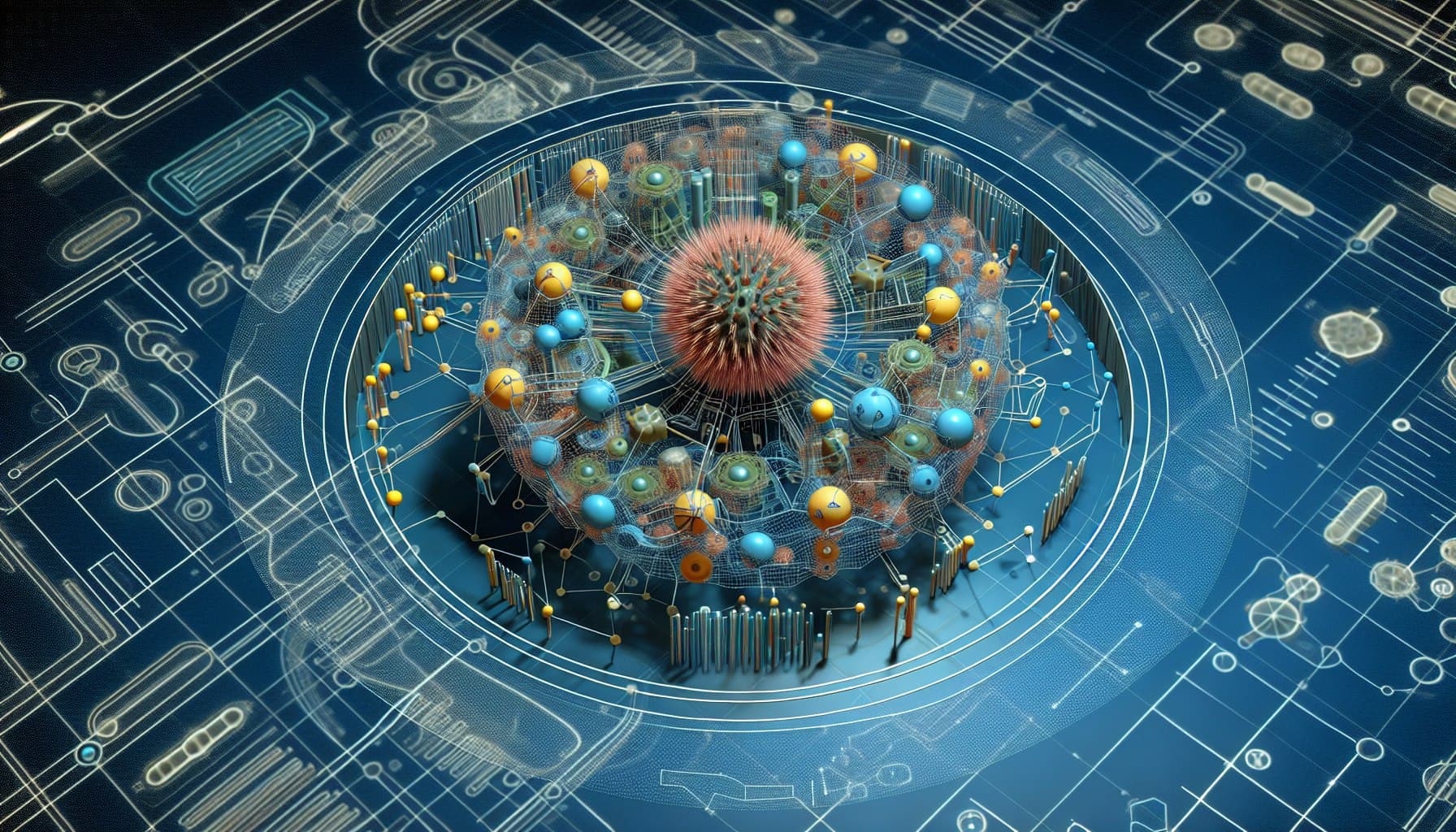
The scientific group of the "Computational Biology" direction is working on creating a detailed virtual cell. This will allow reproducing experimental data for various types of human cells, which will significantly save time and resources in the initial stages of research. Scientists will be able to test hypotheses and test potential drug targets without the need to use living cell cultures or model organisms.
For the development of a virtual cell, scientists use the BioUML platform, which is designed for modeling complex biological systems. With the help of this platform, models of processes such as programmed cell death and regulation of blood pressure have already been created.
The scientific director of the "Computational Biology" direction, Fedor Kolpakov, noted that the virtual cell model will expand the understanding of the functioning of real cells. Unlike existing models for simple organisms, which are based on extensive data, the human body consists of many different types of cells, the interaction of which is still being studied.
Read more on the topic:
Scientists from NNSU have created a powerful AI that works on the principle of the human brain