The construction of the National Heliogeophysical Complex, which includes a new large solar telescope (KCT-3), will be completed by 2030. The Institute of Solar-Terrestrial Physics of the Siberian Branch of the Russian Academy of Sciences is the basis of the complex. The work is ahead of schedule.
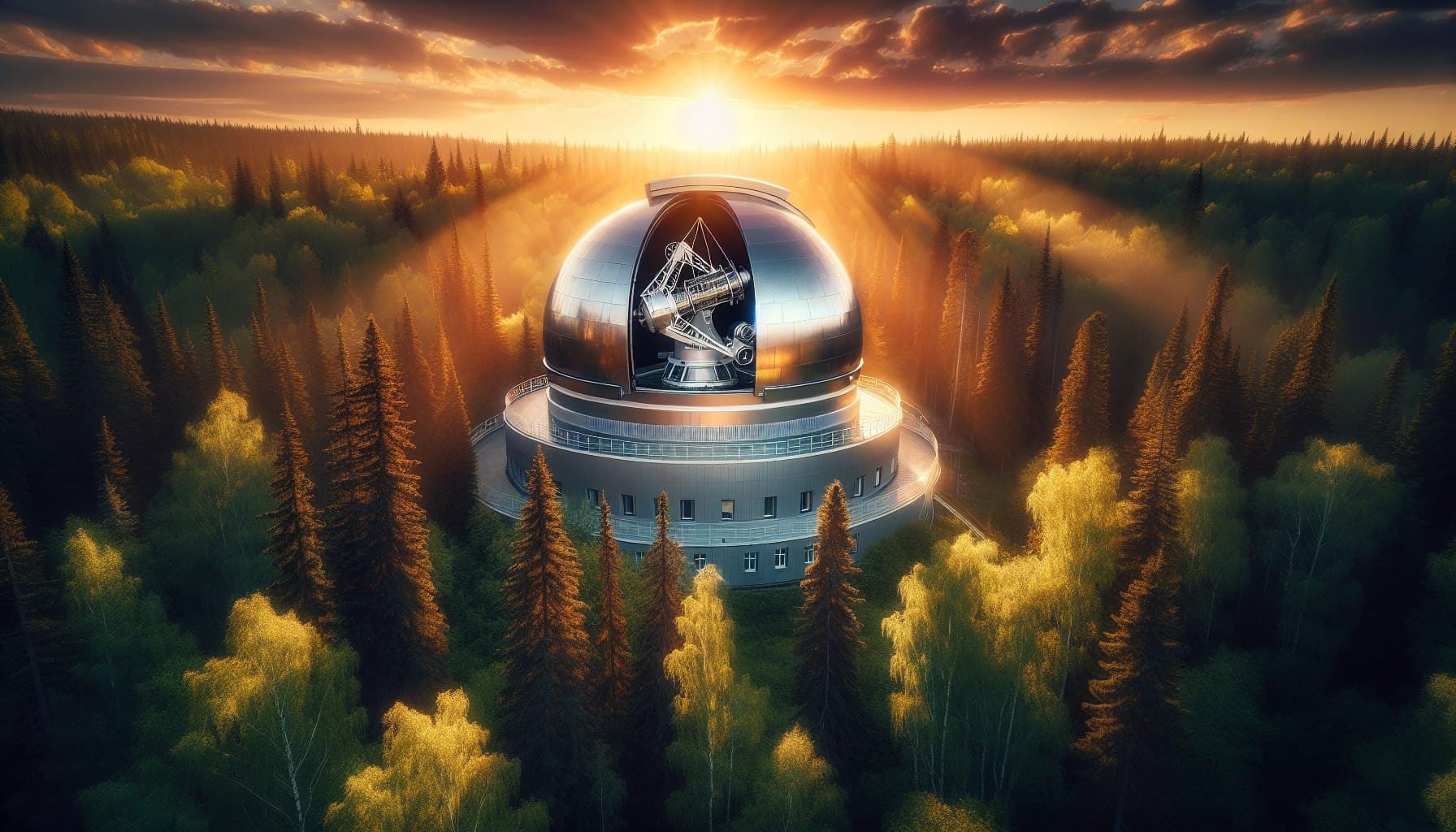
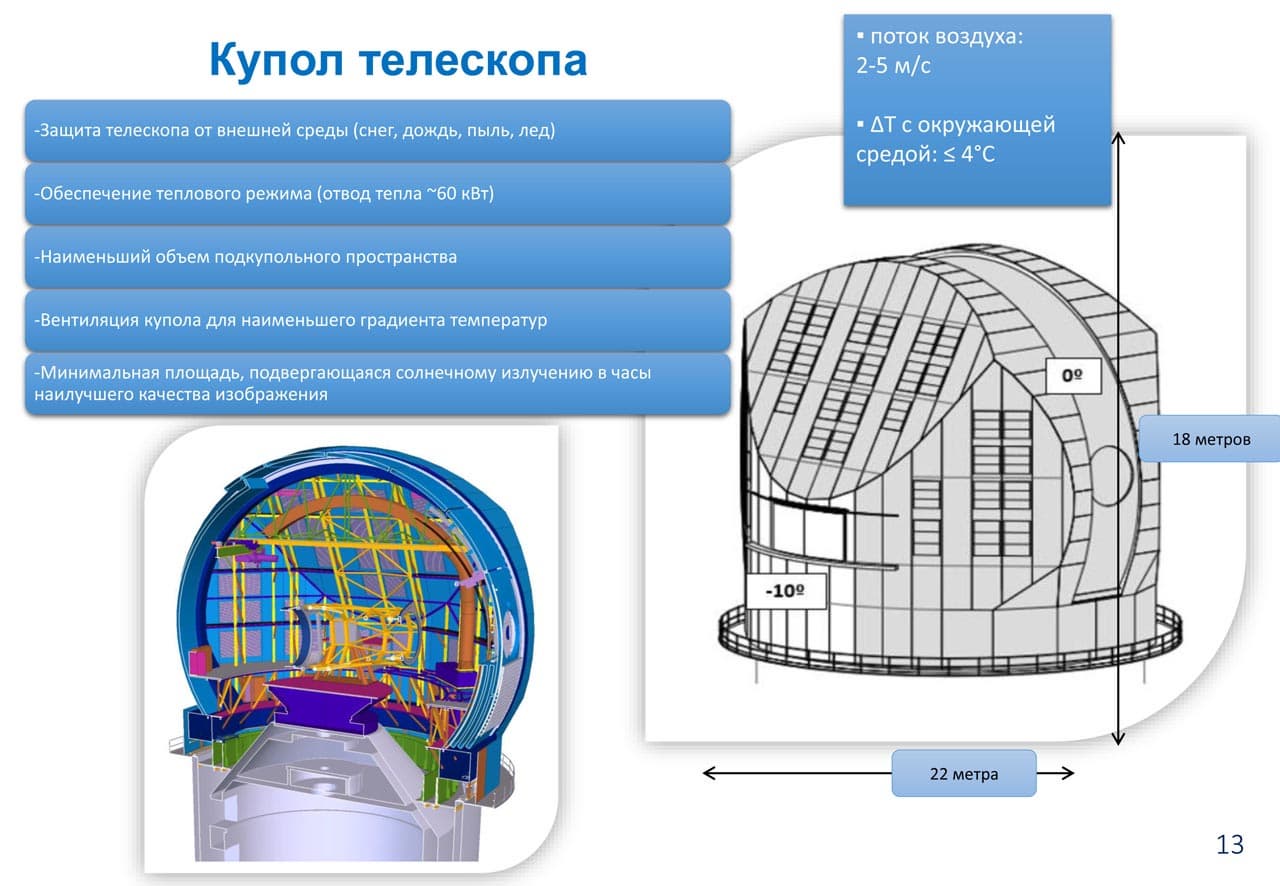
KCT-3 will consist of a 30-meter telescope tower, a building for technological equipment, laboratory and administrative buildings. The telescope will be installed in the upper part of the tower on a rotating platform, the diameter of its mirror will be 3 meters. The height of the entire structure will be 42 meters, and the total weight of the future telescope will be 120 tons.
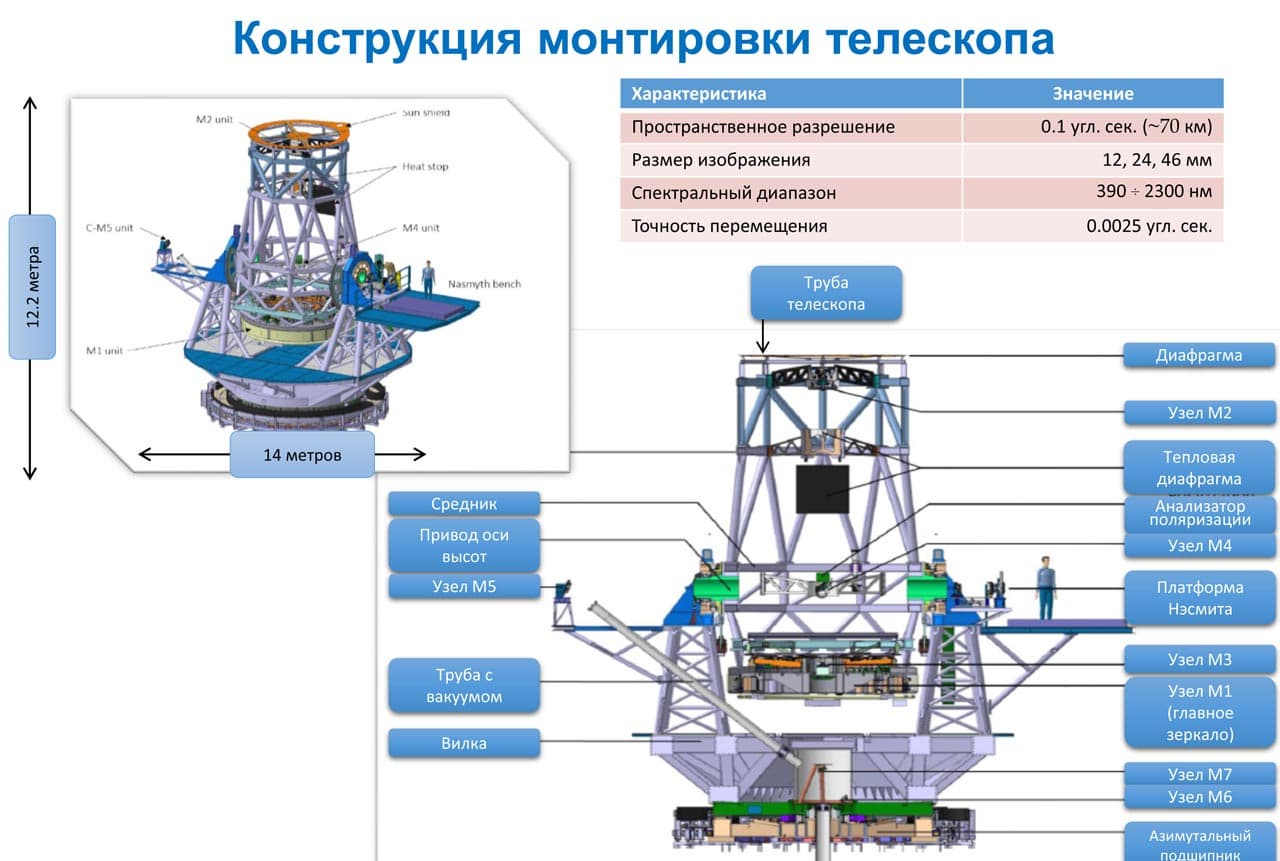
The object is made earthquake-resistant, capable of withstanding earthquakes up to 9 points, since it is located on the territory of the Baikal Rift Zone, where tremors often occur. It will be used to study the nature of magnetic fields, the solar activity cycle, studies of the photosphere and a number of other scientific tasks.
The construction of KCT-3 began in the fall of 2023. During this time, despite the difficult climatic conditions, the builders managed to ensure the geotechnical preparation of the site. The leadership of the Ministry of Education and Science visited the pouring of the foundation of the facility in the village of Mondy.
This is a special telescope that will allow our researchers to solve fundamental problems of solar physics, including studying the structure of the solar atmosphere, studying the nature of solar magnetism and a number of other issues of both fundamental and applied nature, which are impossible to solve today without this kind of installations.
KCT-3 is included in the second stage of construction of the National Heliogeophysical Complex. The second stage also includes a radar system, lidar, heating stand and control center, for which design and survey work is currently underway.
In general, the National Heliogeophysical Complex will cover various aspects of the study of the Sun and space exploration:
- studying the influence of space factors on spacecraft;
- development of technological systems of radio communication, radar, GLONASS/GPS;
- monitoring near-Earth space, spacecraft and space debris;
- development of methods for monitoring and forecasting solar activity and near-Earth space.
The first stage of the scientific cluster has already begun work. This is a complex of optical instruments in the village of Tory, which began operating in 2022, and a radioheliograph in the Badary tract, launched in 2023.
Read materials on the topic:
A system for wireless transmission of electricity from space has been developed in Russia
Reshetnevtsy tested their new reflectors with membrane reflectors for spacecraft