The complex will operate in Pervouralsk at the facilities of «Poliplast-UralSib». The «GC Poliplast» subsidiary plans to launch a project important for import substitution in early 2026.
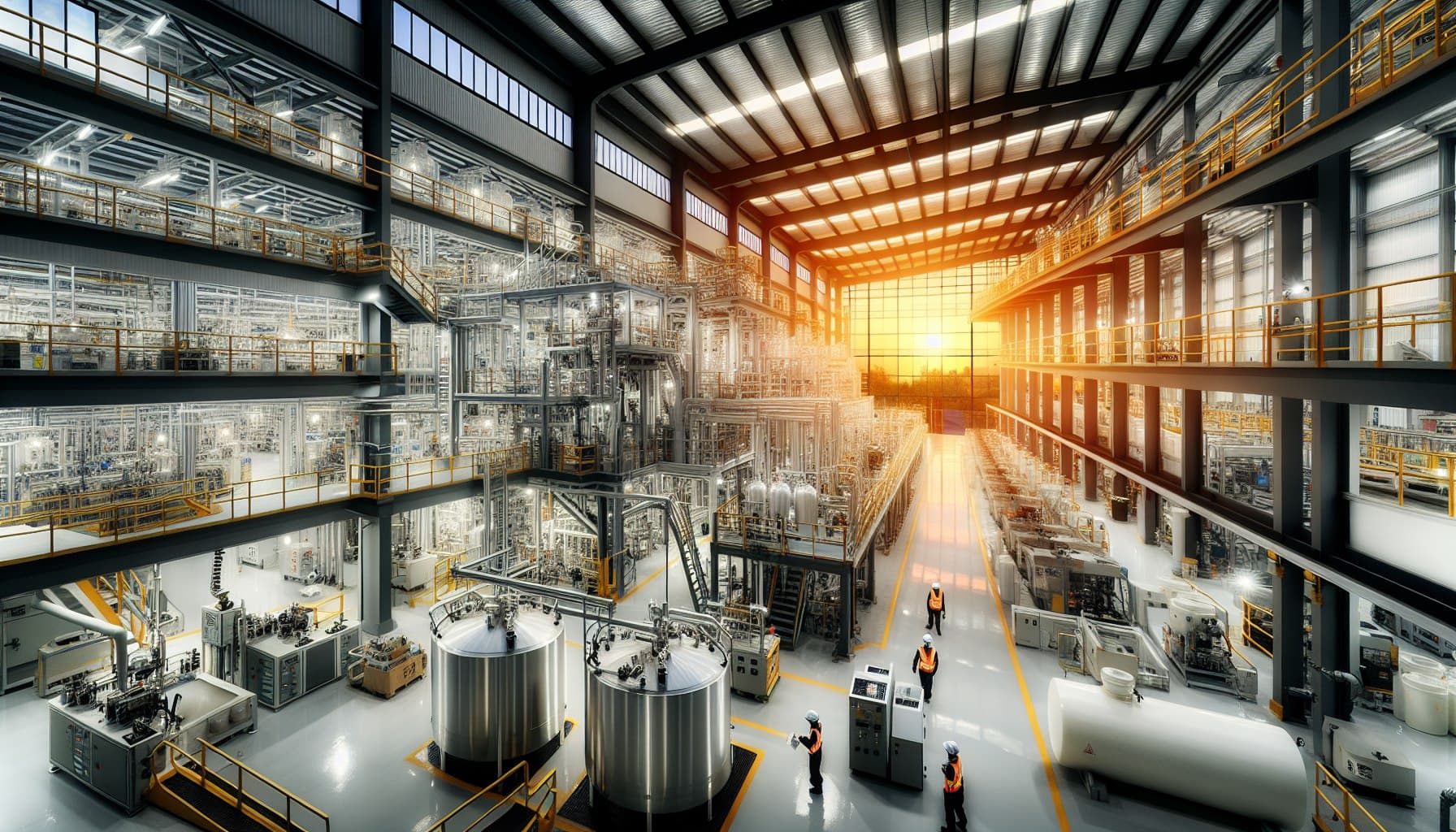
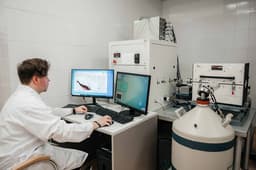
According to «Vesti Ural», representatives of the Ministry of Industry and Trade visited the future enterprise, assessing the pilot plant for the production of polymers, where experimental batches of resin are already being produced. They are being tested by consumers from various fields.
This product is in high demand in our country, and, by and large, no one produces it in Russia. Almost all the resin comes to us from abroad. We plan to produce 55,000 tons at this plant. This currently covers almost all the needs of the Russian market.
Epoxy resins are an integral part of mechanical engineering, aircraft construction, shipbuilding, rocket engineering, the production of radio equipment, building mixtures, and paint and varnish products. During the USSR, its territory produced about 10% of the world's volume of epoxy resins. But by the end of the 2000s, most of these industries closed in Russia. The only enterprise in the country based on «Usoliekhimprom», which worked with epichlorohydrin, a raw material for epoxy resin, also ceased to exist.
Russia has mainly purchased epoxy resins from abroad all this time. At the same time, about a dozen domestic enterprises operated in the country on foreign epichlorohydrin from South Korea, Germany, and China. According to estimates by the RUPEC analytical center, Russian manufacturers of epoxy resins covered 5-8% of the domestic market demand, which, as of 2022, reached 41,000 tons.
After the tightening of anti-Russian sanctions, China began to increase its supply of raw materials, and Russia's need for epoxy resins increased. To get rid of import dependence, it was decided to launch a plant for the production of epichlorohydrin in the city of Usolye-Sibirskoye, Irkutsk Region, practically where it was in Soviet times.
In addition to «GC Poliplast», several other companies intend to establish the production of domestic epoxy resins by 2030. It is also known that Russian scientists are working on their own unique production technology.
Read more on the topic:
Will create aircraft parts weighing up to 20 tons — how the largest gas holder in Russia works
AI and spider cranes: how «Nornickel» got a new flash smelting furnace for processing nickel ore
Russia has repaired a large floating drilling platform «Northern Lights»
Rosatom is transporting a 750-ton melt trap to Hungary for the «Paks-2» NPP