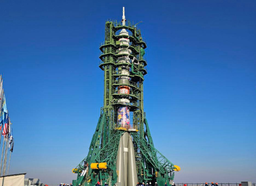
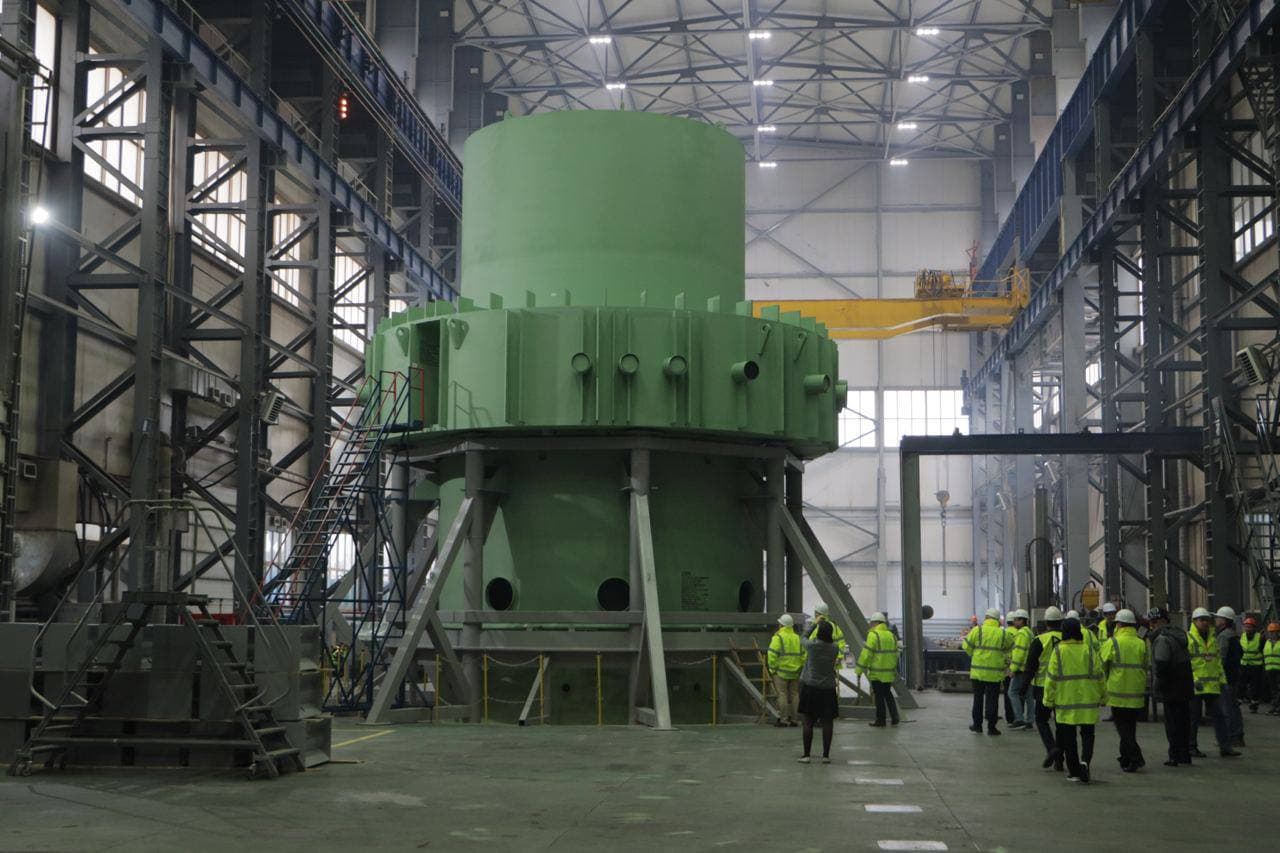
In March 2024, Hungarian specialists already conducted a technical acceptance in Russia of the core melt localization device (CMLD) for the Paks-2 NPP. However, delivering one of the largest elements of the NPP to the construction site is not so simple; a waterway has been chosen for this purpose.
First, the device was transported in May along the Don River, then it was delivered via the Azov and Black Seas to the Romanian port of Constanta. From there, the barge exited via the canal into the Danube. Port facilities in Paks were modernized to receive the cargo.
The CMLD will be received in Hungary in late July-early August: now everything depends on the water level and the speed of the vessel.
We have a slight uncertainty regarding the delivery time, because it depends on the water level in the Danube, and we don't even know exactly what the speed of movement will be in the Iron Gate area [the most dangerous section of navigation on the Danube on the border of Romania and Serbia, — ed. note.].
What is a CMLD
The CMLD, core melt localization device, also known as a core catcher, is one of the main elements of the NPP's passive safety system for humans and the environment in any operating scenarios. It is included in the composition of all Russian modern nuclear power units with VVER-1200 generation 3+ reactors.
This is a container in the form of a steel cone, which, in the event of an emergency, reliably holds fragments of the active zone melt and prevents them from escaping beyond the sealed shell of the reactor building. The height of the core catcher body is 6.14 m, its diameter is 5.83 m.
Inside the catcher there are special materials, upon interaction with which the active zone melt loses part of the accumulated heat. The chemical processes that occur during this interaction create conditions for retaining the melt and cooling it.
The Rosatom State Corporation's CMLD is resistant to security threats: it has increased seismic resistance, hydrodynamic and impact strength.
Read materials on the topic:
Russia's second major project in Turkey: Rosatom State Corporation plans to build the Sinop NPP