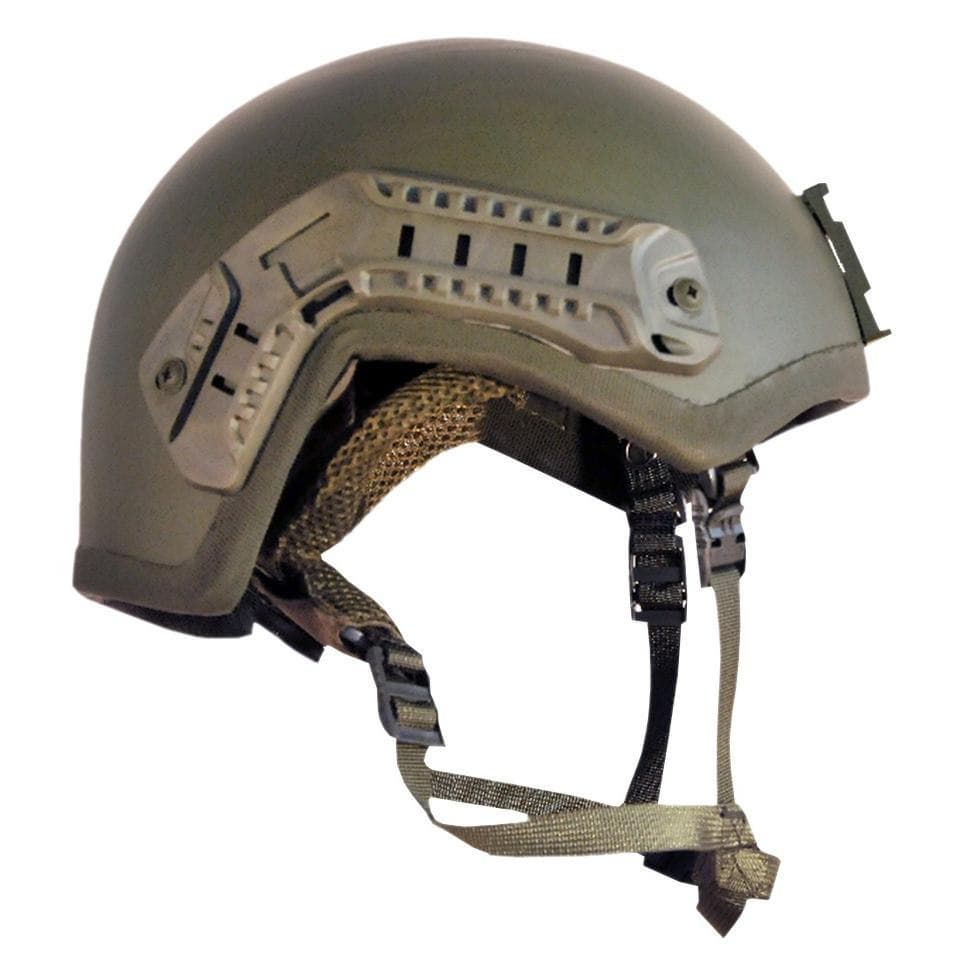
The titanium "Bars-L" helmet, developed at the Steel Research Institute (part of the Kalashnikov concern), passed shooting tests for compliance with Br2 protection standard, unlike NATO counterparts, including captured ones. This is evidenced by the test results, according to Rostec's press service.
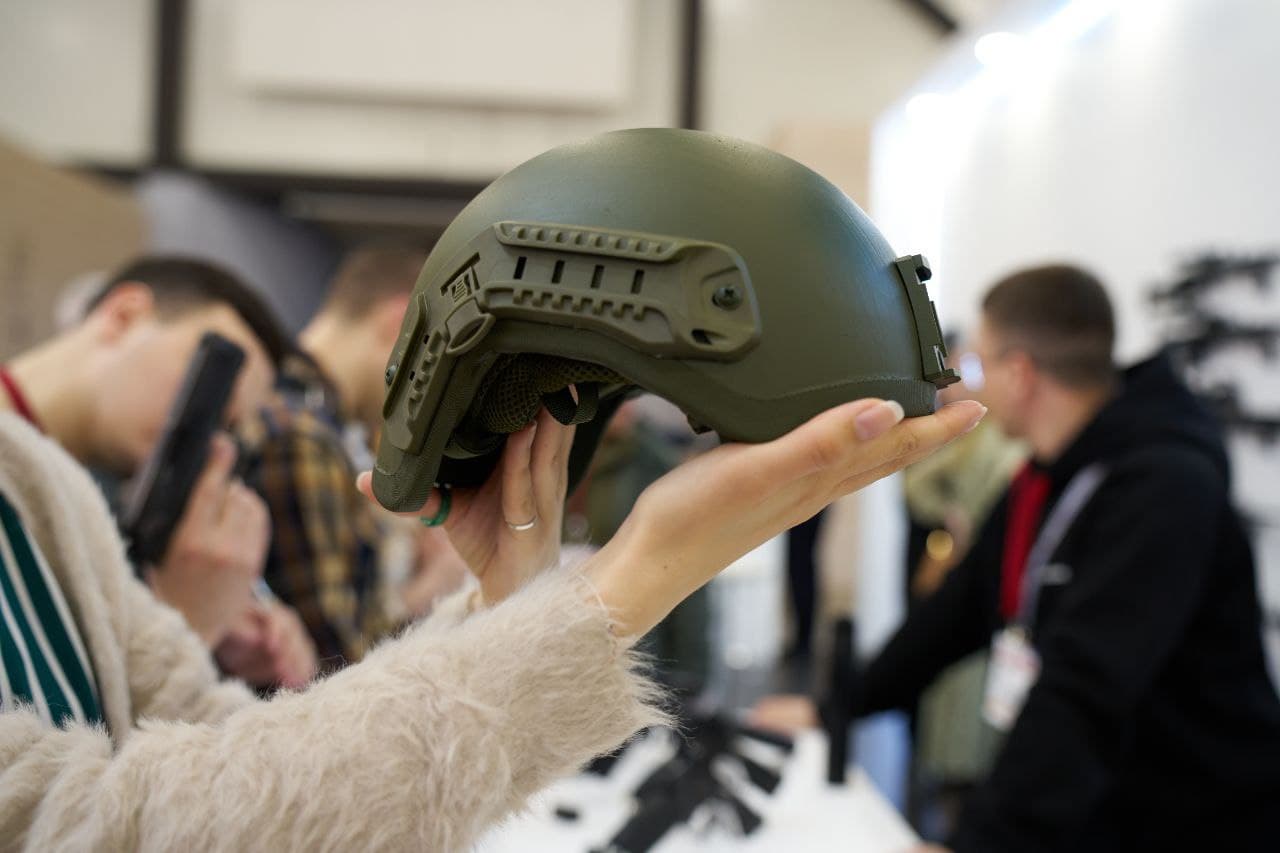
The tests involved a helmet from an unknown manufacturer, an unknown captured NATO standard helmet, another NATO standard helmet, a Philippine-developed helmet of the same standard, and the domestic "Bars-L".
All products had to withstand several shots from a distance of 5 m from a Stechkin pistol with 9x18 mm caliber rounds, as well as from an SR-1 "Gyurza" pistol with 9x21 mm caliber rounds.
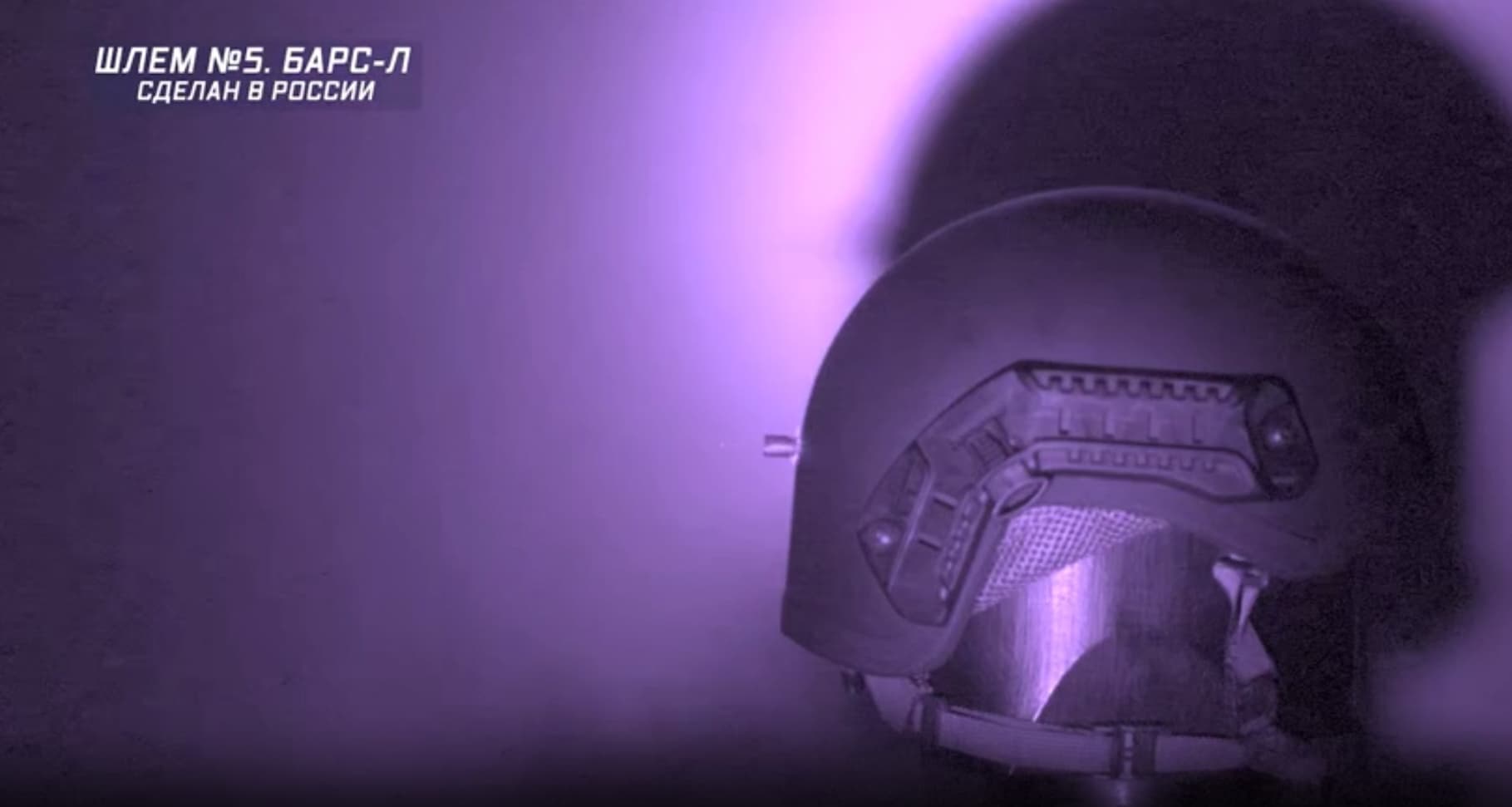
As a result of the tests, all helmets received through-holes, except for the "Bars". Despite the fact that the outer titanium layer of the Russian sample received two penetrations, the helmet shell itself protected against behind-armor effect of the bullet, unlike foreign counterparts.
This is normal titanium behavior. We provide additional protection with a composite support so that the bullet remains there and does not go beyond the limits.
The "Bars-L" is designed with enhanced protective characteristics. It has Br2+ bulletproof protection, meaning it can also protect against an assault rifle bullet from a certain distance, and the anti-splinter protection even for a standard fragment is 700–720 m/s, which is higher than that of SVMPÉ or aramid analogs.
Compared to analogs, the weight of the helmet is increased, but the additional 100–120 g provide advantages that, according to the developers, will interest private buyers and law enforcement agencies.
Earlier, www1.ru reported that Russian BMP-2, BMD-4, BTR-MDM vehicles have become standardly equipped with "Nakidka" camouflage cloaks. This camouflage complex protects against attacks by "Baba Yaga" UAVs.
Read more on the topic:
Invulnerable to EW: Russian military on the front lines will receive the latest smart FPV drones
"Missiles won't solve the issue": Vice Admiral names a way to combat naval drones