Scientists from the heat and mass transfer laboratory of Tomsk Polytechnic University have developed and tested a new method for using a self-activating fire extinguisher based on gas hydrate.
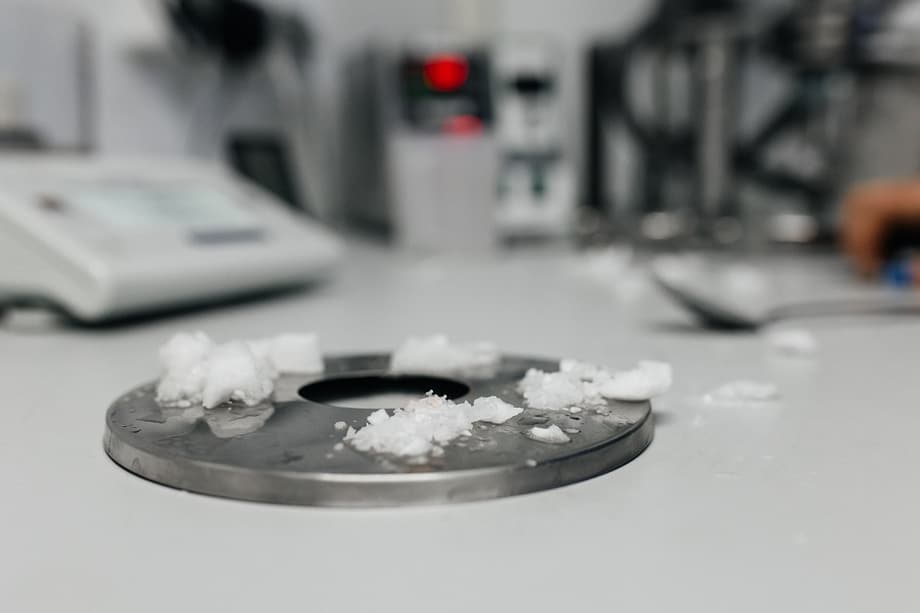
Gas hydrates are compounds of gas in an ice and water shell, which are extracted from the seabed and oceans and are considered the frozen fuel of the future, or combustible ice. A fire extinguisher with such filling stops the flame from burning due to the shock wave that occurs during the explosion of the hydrate system. The ice shell reduces the temperature at the source of the fire, and the inert gas displaces oxygen from the combustion zone.
A self-activating projectile with carbon dioxide hydrate in PET plastic containers with a volume of 50 and 100 milliliters was tested on materials with different flammability and other characteristics: wood, PVC panels, linoleum, cables, oils, alcohols, and so on.
Experiments have shown that the response time of the fire extinguisher can be adjusted by varying parameters such as the mass of the hydrate and the amount of free space in the fire extinguisher, the amount of water added, and the type of mechanical impact on the fire extinguisher (impact on the fire extinguisher itself or its collision with other objects). For example, to increase the reaction rate, you can add from 25 to 75 milliliters of water to the hydrate. In some cases, this made it possible to speed up the fire extinguisher's response by nine times. And the mechanical impact on the fire extinguisher reduced its response time by 20 seconds.
TPU notes that research conducted with the support of the federal program of the Ministry of Education and Science "Priority-2030" will allow the use of hydrates not only in the localization and suppression of fires, but also in the production of thermal and electrical energy with minimal damage to the environment. The results of the Polytechnic scientists' research are published in the journal Gas Science and Engineering.
Read materials on the topic:
A system for rapid detection of emergencies based on AI has been developed in St. Petersburg
Floods, fires, objects from 70 cm – what and how the Russian "Resource-P" sees from space
Now on home

Герой России Гарнаев: никто из профессионалов о возобновлении производства на КАЗ всерьёз не говорит
Система отслеживает спутники на высотах до 50 000 км и ведёт за ними наблюдение
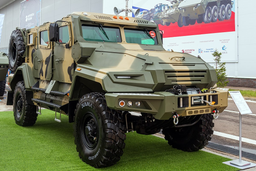
The armored vehicle is equipped with a KamAZ-740.35-400 diesel engine with a power of 400 hp.
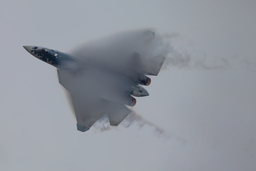
Constant improvements in avionics, weapons and tactical capabilities will make the aircraft a flexible response to future challenges
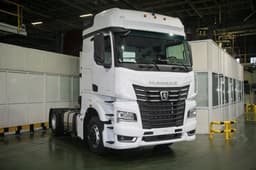
The exterior of the KamAZ-54901 features fairings on the cab and chassis for fuel economy
Fighters are in demand both domestically and abroad
Tyazhpromexport and Venezuela Agree on Plant Revival

The company not only completed the state order, but also quickly mastered the production of AK-12K for special forces
Experts have developed a photogrammetric complex with a resolution of less than 1 cm