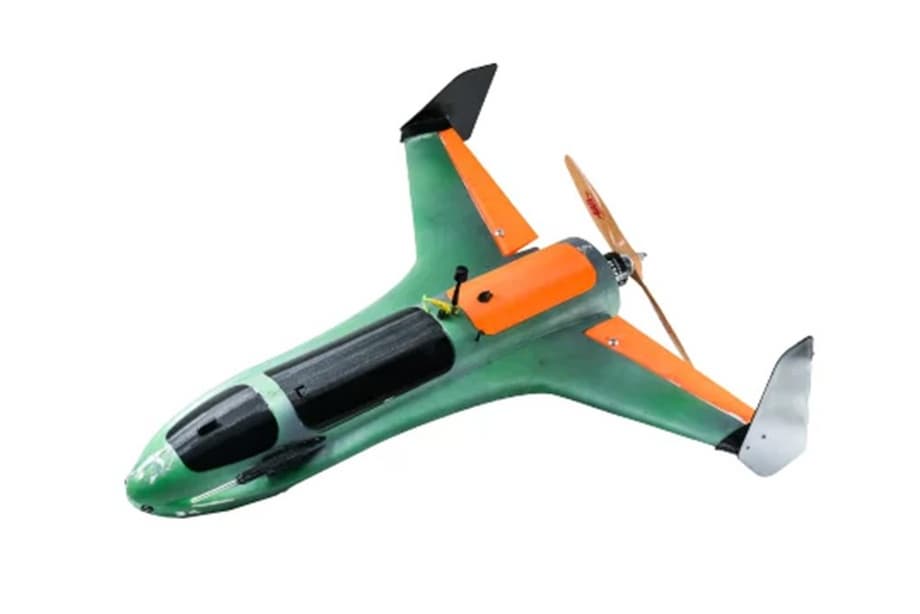
The Stratim Design Bureau has begun testing the Rusak kamikaze quadcopter and the Tyuvik light strike wing, equipped with a self-guidance system on the final section of the flight path, on the front lines. They will be presented at the HeliRussia-2024 international exhibition, which will be held from June 10 to 12 in Moscow.
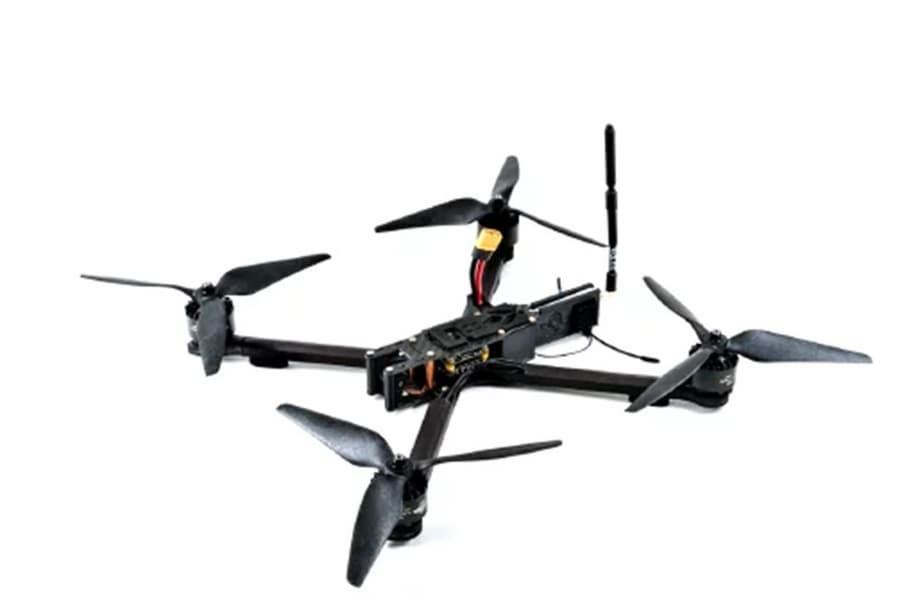
The devices are already being used on the front lines in test mode, they are being tested by the military, and mass production is being launched. The self-guidance system will allow the drone to set a target on the final section of the trajectory, after which the UAV switches to automatic mode and attacks it without operator intervention.
Thanks to the self-guidance system, drones are also not affected by electronic warfare equipment. The meaning of self-guidance is to transfer control to the drone's board without human participation in the final phase of the attack.
Representatives of the manufacturer explained that the self-guidance system will effectively hit the target regardless of the terrain.
When a drone starts to descend to the ground to hit a target, it goes out of direct sight with the operator, the terrain, trees, buildings begin to interfere with it, and the drone often loses connection. The self-guidance system allows the operator to complete the mission faster, fold up and move away from the starting point. Thus, the operator has a better chance of survival.
The Rusak drone is capable of carrying a payload of up to 3 kg with a flight range of 10 km, accelerating up to 150 km/h. Flight time – up to 10 minutes.
The flight range of the Tyuvik is about 30 km, the flight time is up to 20 minutes, the payload weight is up to 3 kg, and the flight speed is up to 180 km/h.
Earlier www1.ru reported that the Scalpel kamikaze drone has reached mass production and will soon enter the Russian army. Its flight range is up to 40 km.
Read materials on the topic:
Russian military on the front lines will receive two thousand Hortenzia-7 FPV drones
No room for error: the Navy will protect ships from BEC and UAV attacks
Learn to fly: the Ministry of Defense showed a video of training operators of strike FPV drones
Now on home
Герой России Гарнаев: никто из профессионалов о возобновлении производства на КАЗ всерьёз не говорит
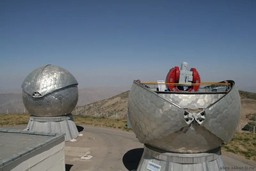
Система отслеживает спутники на высотах до 50 000 км и ведёт за ними наблюдение

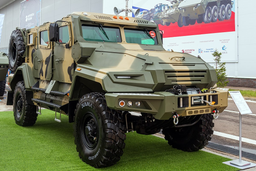
The armored vehicle is equipped with a KamAZ-740.35-400 diesel engine with a power of 400 hp.
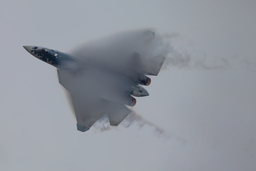
Constant improvements in avionics, weapons and tactical capabilities will make the aircraft a flexible response to future challenges
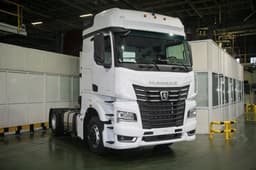
The exterior of the KamAZ-54901 features fairings on the cab and chassis for fuel economy
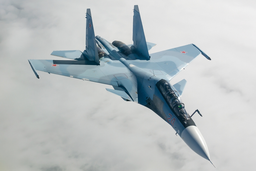
Fighters are in demand both domestically and abroad
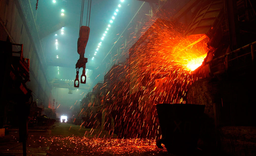
Tyazhpromexport and Venezuela Agree on Plant Revival
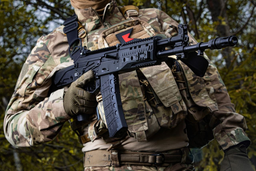
The company not only completed the state order, but also quickly mastered the production of AK-12K for special forces
Experts have developed a photogrammetric complex with a resolution of less than 1 cm