Russian developers and manufacturers of electric vehicles have one less competitor. The Togliatti project for the production of Zetta electric vehicles has finally ceased to exist. The building where its cars were assembled and its equipment have been sold.
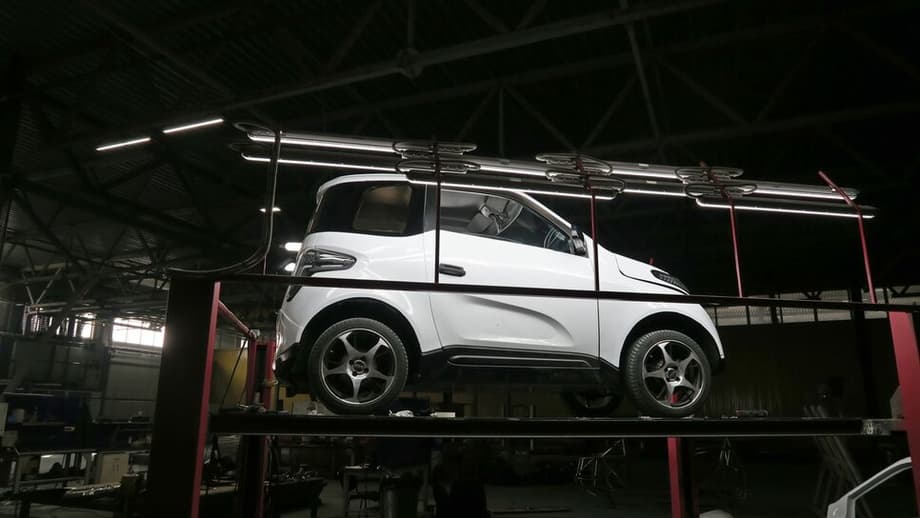
The Zetta startup appeared in the public eye in 2018. It was planned to be the most affordable car in Russia in its category. At prices starting from 540 thousand rubles, buyers were intended to be sold domestic two-seater front-wheel drive electric vehicles, 3 meters long, with an electric motor.
It was expected to have a range of 180 km with a 10 kWh battery and a carrying capacity of 4.5 tons or more, depending on the configuration. Three configurations were developed for Zetta. Initially, it was planned to produce up to 2,000 cars per year in Togliatti, and then increase production to 15,000.
According to approximate estimates by the creators, this project initially cost 450 million rubles. The startup received a subsidy of 191 million rubles from the Ministry of Industry and Trade and a loan of 49.5 million rubles from the Foundation for the Development of Single-Industry Towns. Small-scale production of domestic electric vehicles was supposed to begin in 2020.
What Happened to Zetta
The developers faced a number of problems, and neither small-scale nor large-scale production ever began. As Denis Shchurovsky, one of the co-owners and CEO of the company, explained in an interview with Drom in mid-2020, some domestic parts failed, requiring re-engineering and unplanned expenses. The cost of the project increased by 100 million rubles, but it was not possible to obtain a loan.
....Firstly, the delay is related to the technologies available to our suppliers. For example, the rear window at the Bor Glass Factory: they could not provide the required curvature, so we had to redesign the rear of the car, making the glass simpler. Even worse, the power frame and a number of external panels had to be redone! And this is despite the fact that at the stage of concluding agreements, suppliers assured that there would be no problems, they would do as needed. As a result, we lost about 20 million on press molds alone. Already in August of last year, we understood that the deadlines were shifting to at least December. It was in December that we were supposed to receive a loan of 100 million and spend this money on launching production. At the end of the year, all the tooling was ready, we wanted to start working out technological processes and pilot production assembly. But the loan was not given. Although they promised. They considered the project too risky.
Then, in 2020, the coronavirus pandemic began, borders closed, and car components from China were stuck. Obligations to government agencies for subsidies and loans were not fulfilled on time, but Togliatti did not lose heart. After all, the manufacturers did not receive a final refusal of support from the Ministry of Industry and Trade.
Zetta was gradually forgotten in the media and in auto publics, but two years later, in August 2022, the Telegram channel "Russian Automobile" visited this manufacturer. It turned out that it managed to assemble as many as five copies of Zetta electric vehicles for demonstration.
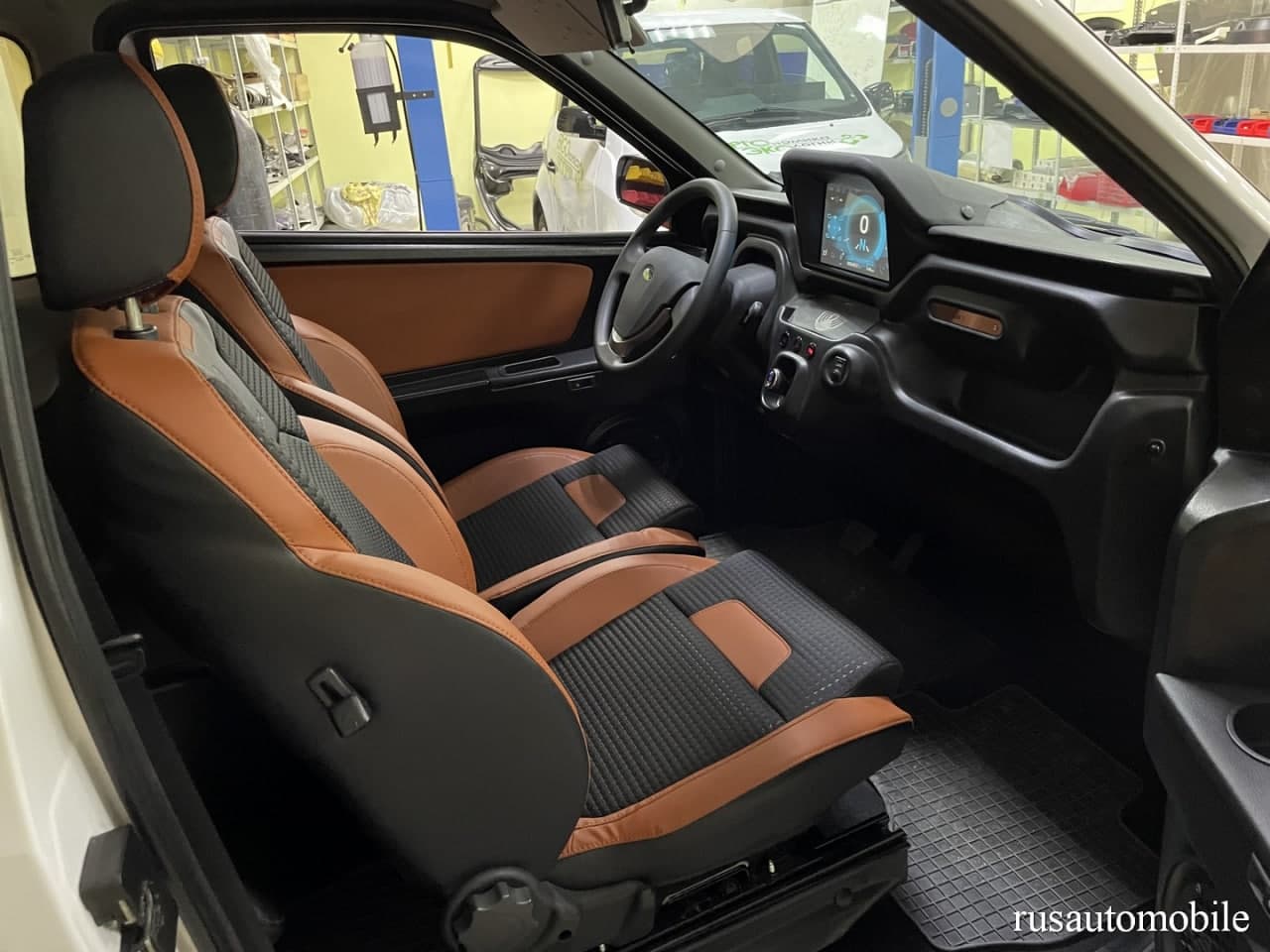
When I first drove the Zetta, it looked like a homemade product, sawn out with a jigsaw. The latest assembled copies look much better, the dashboard is made differently here (they abandoned the babai fabric lining on the "torpedo"), the plastic parts are quite neat, although they still look simple. I really liked the seats (including the rear ersatz): although they are assembled on elements of the Granta frame, the padding and configuration are different here, better. I drove the all-wheel drive Zetta. It had strange calibrations (the car twitches when starting), but, in general, it drives very well. Only noisy.
"Russian Automobile" reported, referring to the words of Zetta representatives, that "the project is closed" and "Zetta electric vehicles will not be produced in Russia." Later, the Ministry of Industry and Trade responded that it was premature to talk about a complete closure, and the project leaders denied the closure.
However, two years later, in 2024, the Russian car market never saw Zetta electric vehicles, and the Avtobroker Klub automobile magazine, citing its sources, reported on the complete ruin of the startup and the sale of its property. According to the auto magazine, the former electric vehicle production facility will be used for the production of furniture and ATVs.
Read materials on the topic:
Characteristics of the new platform for the Atom electric vehicle revealed
Russian Smart: Secret domestic electric vehicle L-Type shown at VDNKh
Now on home
Герой России Гарнаев: никто из профессионалов о возобновлении производства на КАЗ всерьёз не говорит
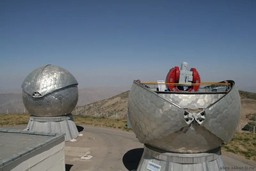
Система отслеживает спутники на высотах до 50 000 км и ведёт за ними наблюдение
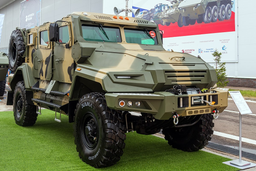
The armored vehicle is equipped with a KamAZ-740.35-400 diesel engine with a power of 400 hp.
Constant improvements in avionics, weapons and tactical capabilities will make the aircraft a flexible response to future challenges
The exterior of the KamAZ-54901 features fairings on the cab and chassis for fuel economy
Fighters are in demand both domestically and abroad
Tyazhpromexport and Venezuela Agree on Plant Revival
The company not only completed the state order, but also quickly mastered the production of AK-12K for special forces
Experts have developed a photogrammetric complex with a resolution of less than 1 cm