Translated with AI from the Russian original.
Roscosmos announced that the next Soyuz rocket with a manned spacecraft was sent to the Baikonur launch site on the morning of March 18. Soyuz MS-25 will launch to the ISS on March 21, but the rollout and final pre-launch preparations are organized a little in advance. And here's how it happens.
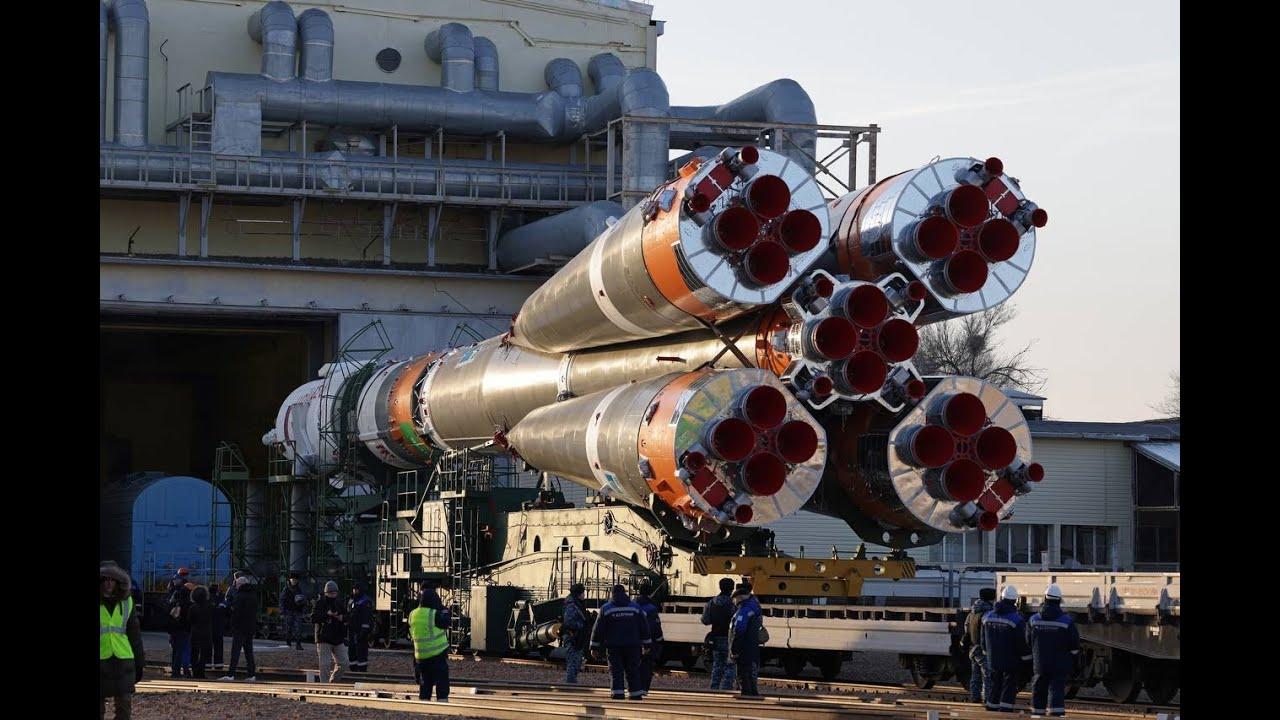
The gates of the assembly and test complex open early when the rocket is sent to the launch site: the rocket rollout begins around seven in the morning. It lies on a special platform with hydraulic jacks. These jacks will help to install the rocket vertically on the launch pad a little later.
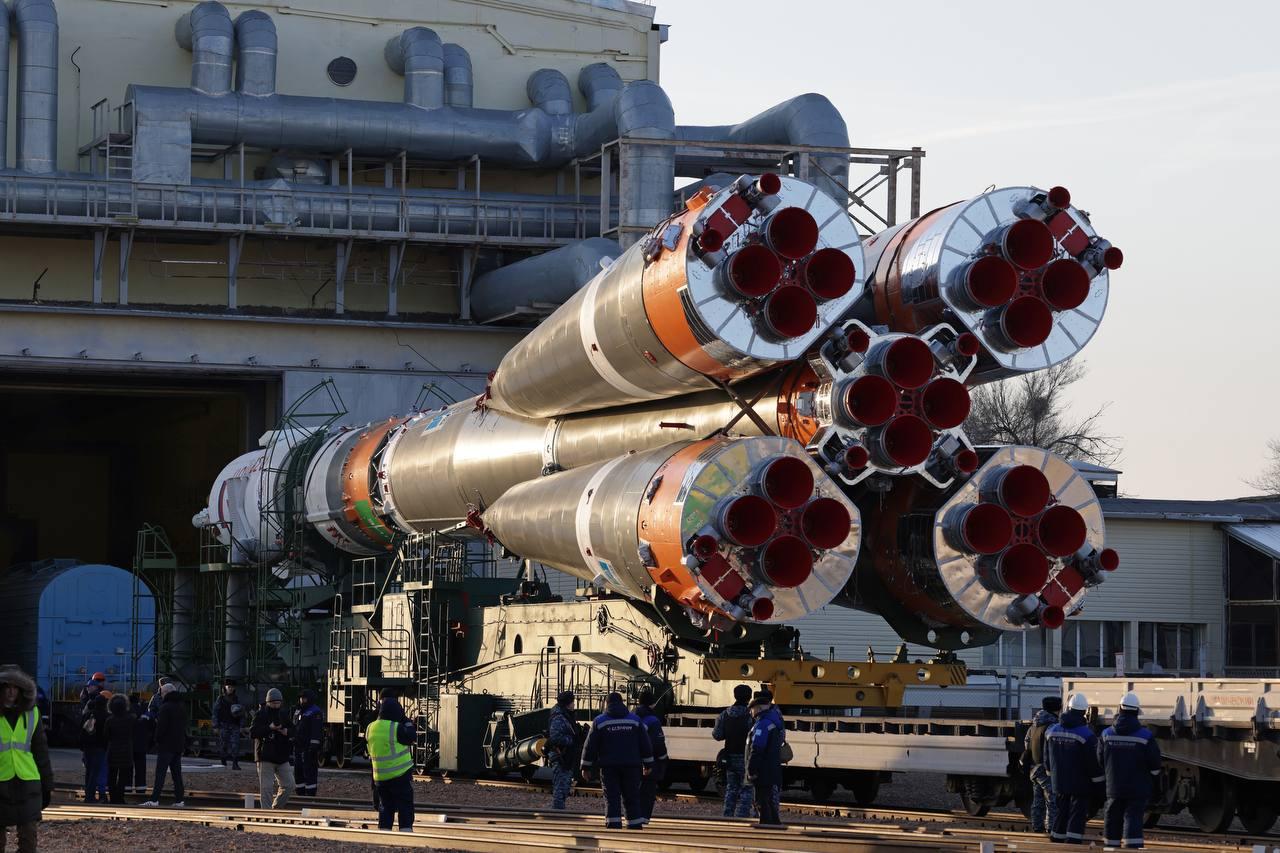
The platform is attached to a special diesel locomotive, which travels to the launch site at a low speed, accompanied by the military, rocket engineers, and employees of Roscosmos.
The mission's backup astronauts are always present at the rocket rollout ceremony. This time it is the Russian Ivan Wagner, the American Donald Pettit, and the Belarusian Anastasia Lenkova.

Also, guests of the Baikonur Cosmodrome sometimes attend the rocket rollout ceremony.
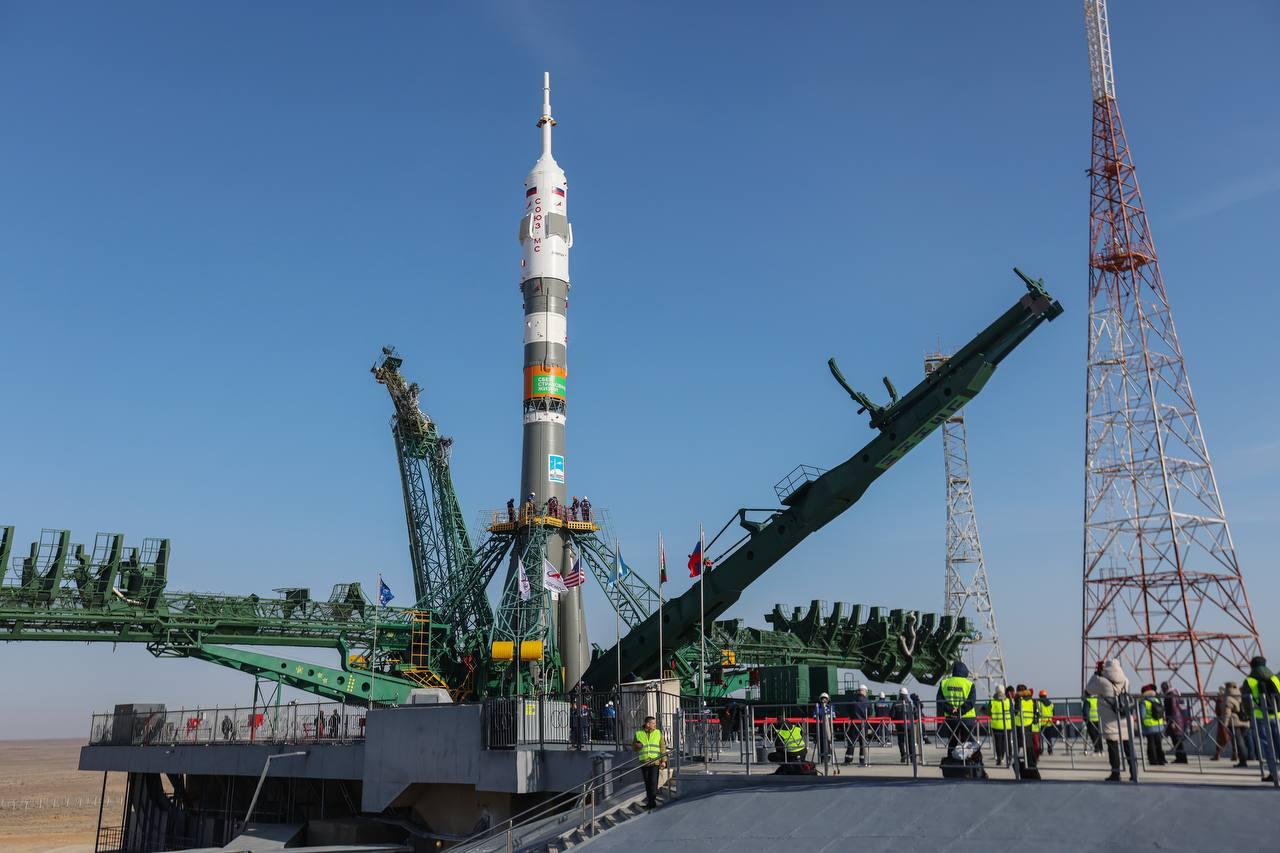
Near the launch site, the diesel locomotive is uncoupled, and the rocket on the platform rolls to its destination thanks to special electric motors. When it reaches the desired position, it begins to rise to a vertical position.
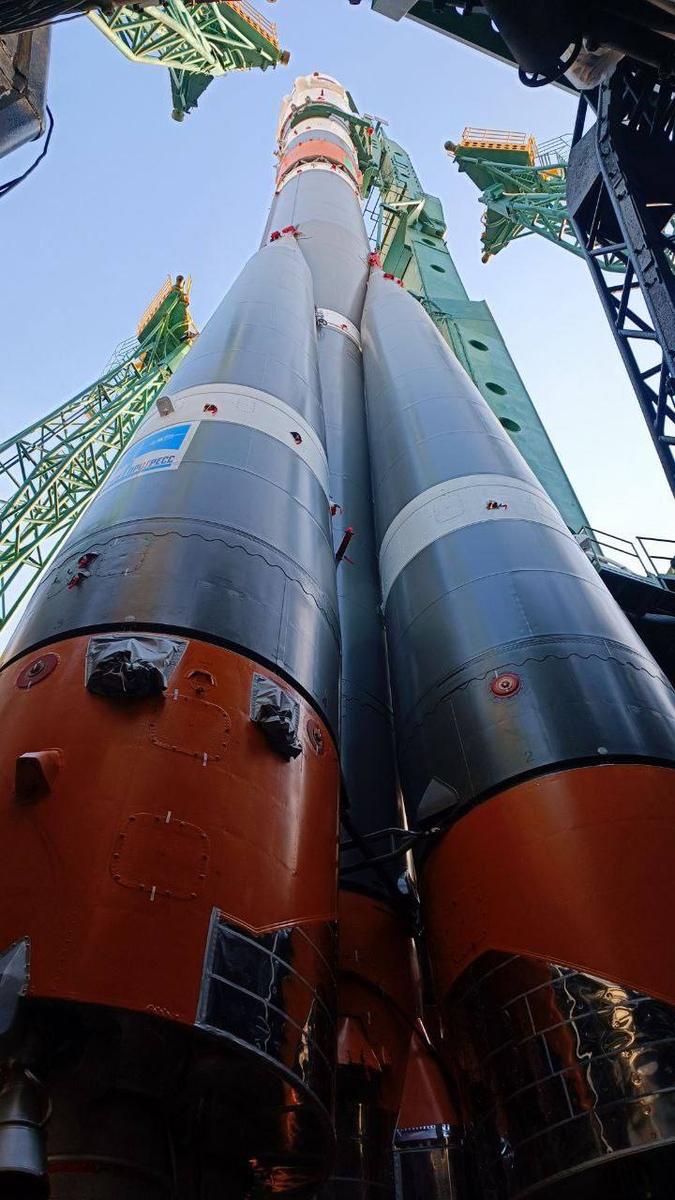
This does not end the procedure. The final check of the rocket by Roscosmos specialists on all floors and levels of the launch pad support is ahead.
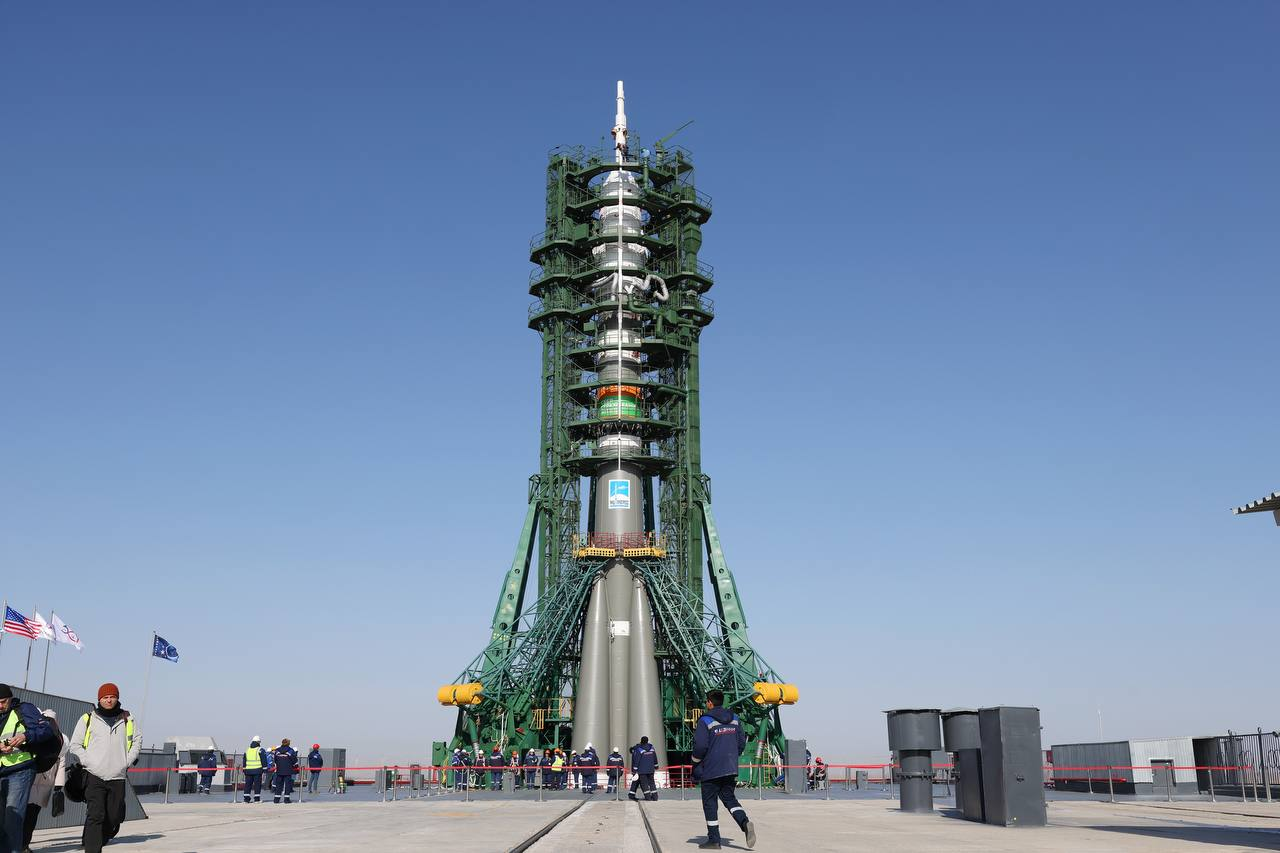
After all the checks, the rocket will begin to be fueled - this is the very last stage of preparation for launch.
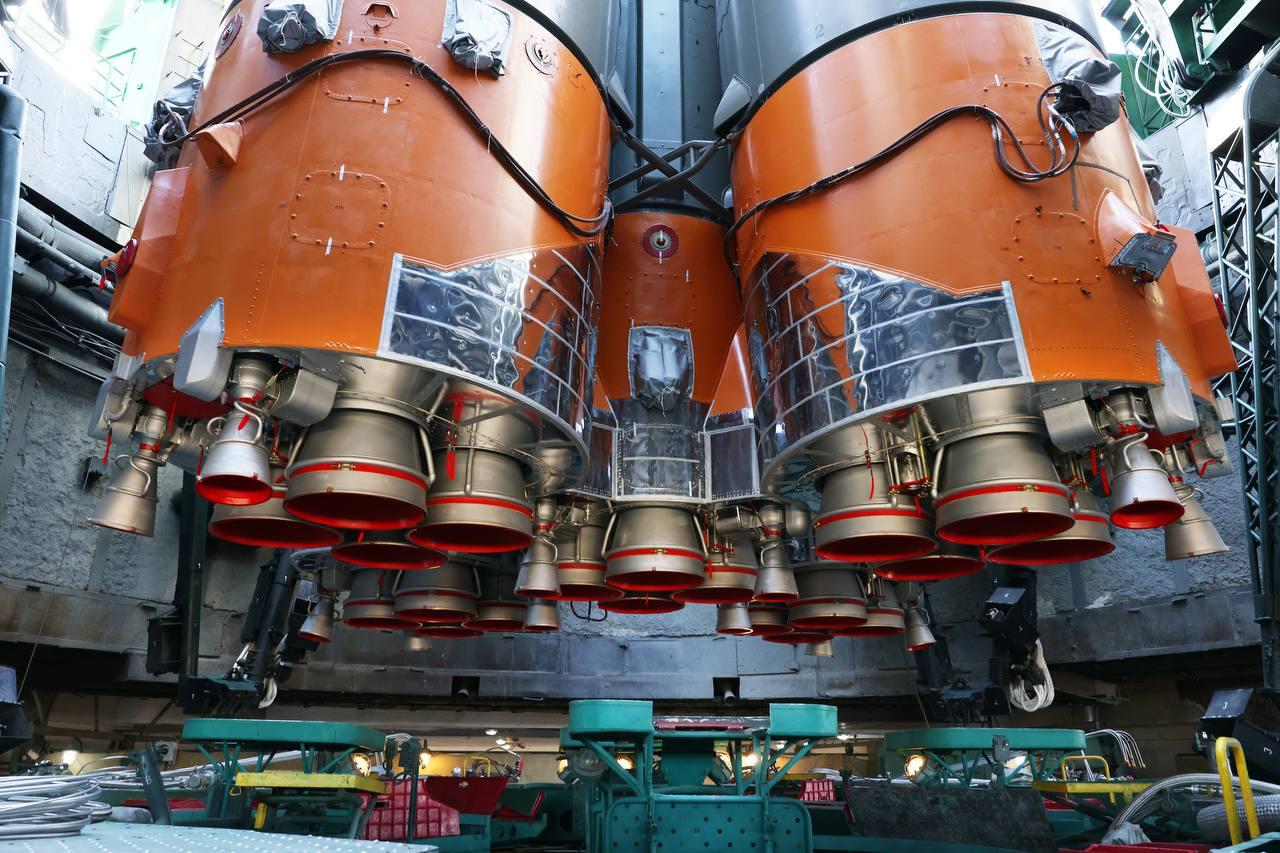
The launch of Soyuz MS-25 is on March 21 at 16:21:19 Moscow time. The crew includes Russian cosmonaut Oleg Novitsky, the first female cosmonaut from Belarus Marina Vasilevskaya, and NASA astronaut Tracy Caldwell Dyson.
Read more on the topic:
Roscosmos showed how the Soyuz MS-25 rocket is assembled before launch
Docking, survival, training: Russia's cosmonauts will have a new training center
Never miss our newsAdd this site to your preferred sources to see us more oftenAdd on Google

















