Scientists at the MIPT Institute of Quantum Technologies have developed a biocompatible ferroelectric (a ferroelectric is a material that exhibits spontaneous polarization) memory flash drive. The device, which is 30 micrometers thick, can withstand 150,000 bending cycles, as well as a tensile load of 1.5 kg.
MIPT clarified that devices based on ferroelectric materials are characterized by low energy consumption, and they quickly record and read data. Such flash drives have a large rewrite resource.
Applications of ferroelectric memory:
- Electronics
- Energy
- Medicine
Flash drives will be useful in "green" energy for converting mechanical deformation into electrical energy. The biocompatible material can be implanted under human skin as a sensor for measuring pressure, pulse, and body temperature.
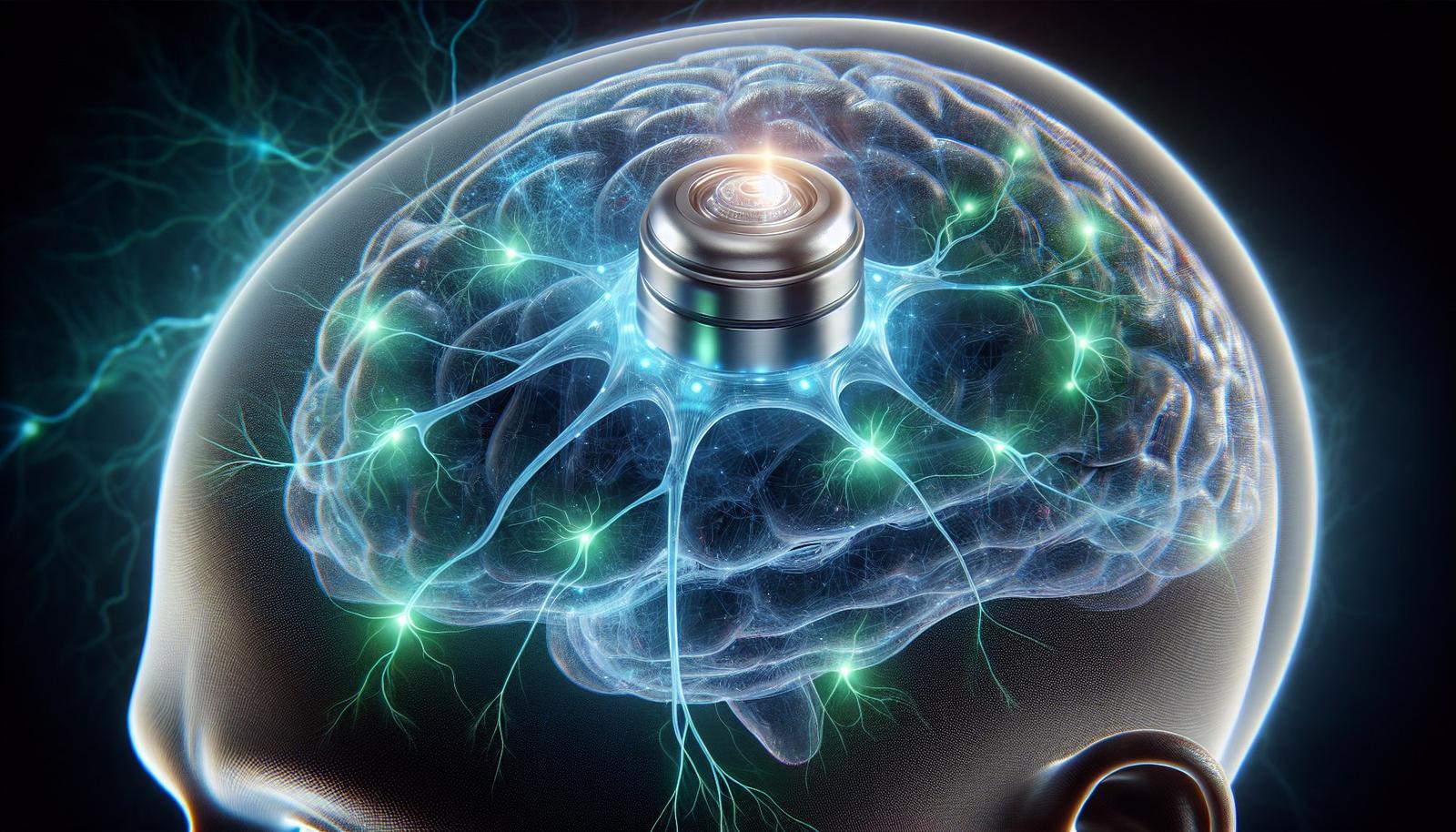
In addition, this is the basis for neural implants that will help treat diseases associated with brain dysfunction — epilepsy, Parkinson's disease.
Never miss our newsAdd this site to your preferred sources to see us more oftenAdd on Google

















