Translated with AI from the Russian original.
Penza State University has developed a method of electric arc dispersion of refractory material. It helps to recycle axial cemented carbide tools for metalworking - drills, milling cutters and other rod tools. After being recycled, they are used to make new products for metal-cutting machines.
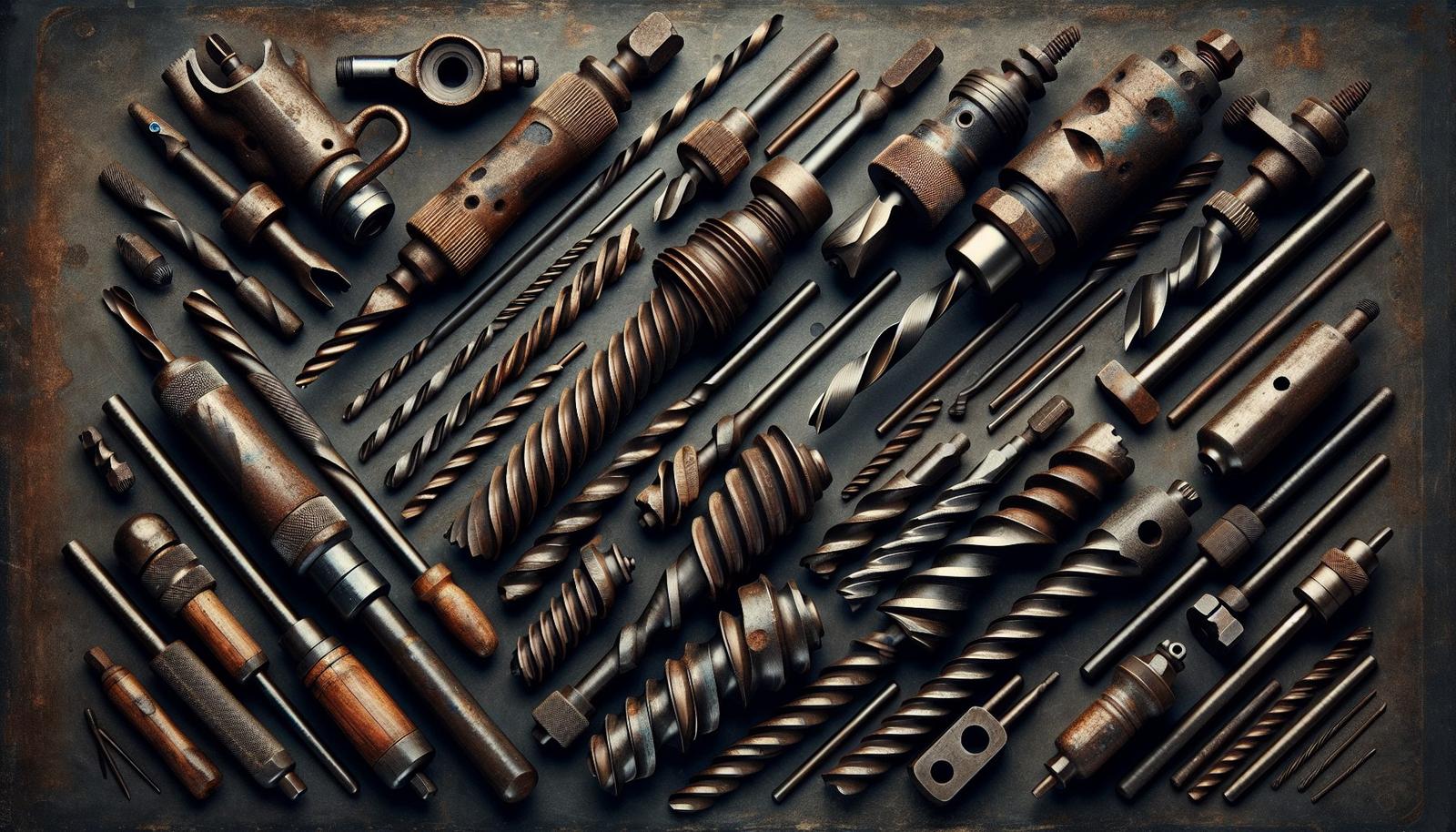
This is not the only way to recycle cemented carbide waste - in Russia, grinding, electrochemical methods, decomposition by galvanizing and other methods are used to obtain powder material from it. This powder is then used to make the necessary products. However, according to PSU, these methods are more expensive and more harmful to the environment than the electric arc dispersion method. In addition, with other recycling methods, the powder from the former tools is splintered - this affects the uniformity of new drills and other tools that are created from it.
The Penza method is based on the method of centrifugal arc dispersion of refractory materials, which was developed earlier at PSU. With it, a used rod tool, such as a drill, acts as an electrode.
We ignite an arc between the electrode, that is, between the used rod tool, and the second electrode, which is graphite. The temperature of the plasma channel of the arc reaches 10 thousand degrees. In this channel, the material of the recycled tool begins to break down.
The tool material turns into a melt, which is sprayed by centrifugal forces. The resulting powder has a spherical particle shape with sizes of 1–2 micrometers. From them it is possible to make a metal-cutting tool, which "will be durable and long-lasting, much better than that made from ground powder of splintered shape".
Zverovshchikov, together with his co-author, Candidate of Technical Sciences, Associate Professor of the Department of "Technology and Equipment of Mechanical Engineering" Sergey Nesterov, have already patented their development. They have already applied for the development and research of the method in the Russian Science Foundation, and are developing and designing an industrial stand where this method will be implemented.
Some Russian enterprises have already become interested in the method of electric arc dispersion of refractory material, and negotiations are underway for PSU to join an interstate project between Russia and the Republic of Belarus. It will help to create an entire industrial plant and establish mass production of spherical metal powder.
Never miss our newsAdd this site to your preferred sources to see us more oftenAdd on Google

















