It would be reckless to expect that Russia in the "Argus" stratospheric communication drone project would immediately surpass the world's best models. The head of flight safety and certification service RunAvia.ru, aviation expert Andrey Patrakov, told "The First Technical" about this.
According to him, it is necessary to proceed gradually in this area. If the technology does not allow it to be effective in comparison with the satellite system right now, perhaps you should not stop working with satellites, Patrakov believes.
But this is a promising direction. The effectiveness of providing communication for non-civilian use is of great importance. Perhaps that is why these projects have now started.
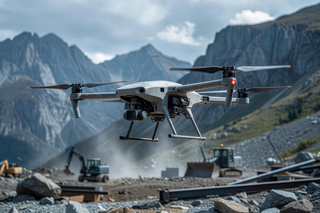
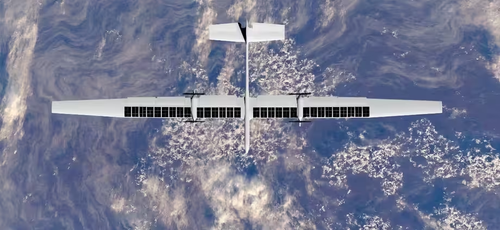
"Argus" is more than twice inferior to the American Odysseus in autonomy. The domestic novelty will be able to fly up to 40 days, while the Boeing development - up to 90 days.
However, "Argus" is capable of lifting up to 40 kg of payload on board. For comparison: the Odysseus payload is up to 25 kg. The flight altitude of the Russian UAV is up to 25 km, and the American aircraft rises to a height of about 20 km.
Read more materials on the topic:
- An engineer from Tatarstan patented an unmanned stratospheric aircraft with vertical take-off and landing
- To replace expensive satellites: the Barrage-1 unmanned stratospheric platform was successfully launched in Russia
- The world's first hybrid of an airplane and an airship will be created in Russia
Never miss our newsAdd this site to your preferred sources to see us more oftenAdd on Google