Russia is the first in the world to develop and test the "Turtle" ammunition delivery robot in combat conditions in the special military operation zone. This was reported by RIA Novosti, citing Konstantin Bagdasarov, General Director of Argo, the robot's developer.
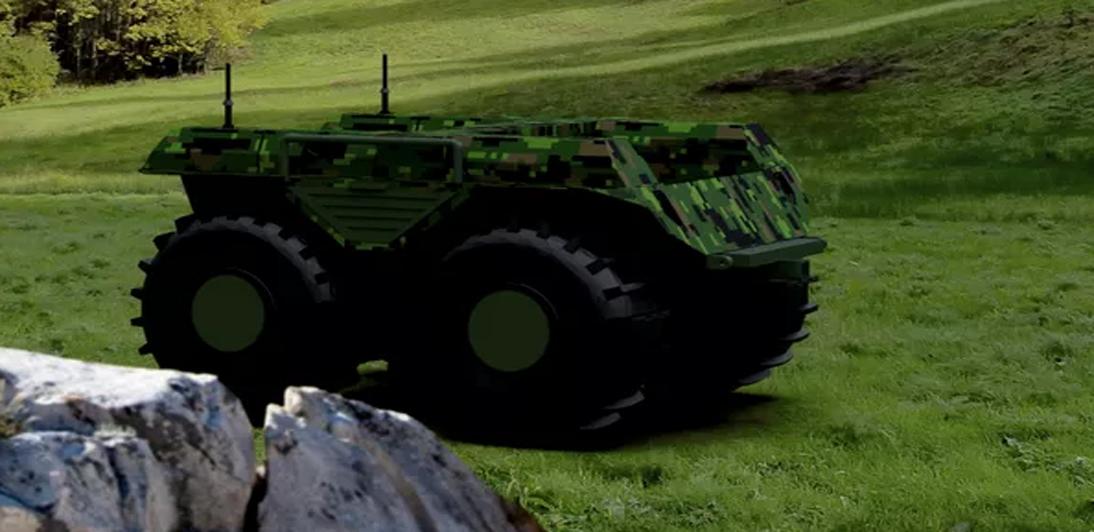
The "Turtle" moves at a speed of only 10 kilometers per hour. But the technology is very load-bearing: it can carry up to one and a half tons of cargo. The "Turtle" runs on lithium-ion batteries and can travel for six hours without recharging. Due to its autonomy, the robot can not only deliver ammunition and other cargo to the front lines as needed, but also evacuate the wounded, conduct surveillance, and provide communication relay.
It is worth noting that the "Turtle" is the first such robot for Russia with such a high carrying capacity. But before that, Russian designers had already presented related developments that can be used for both military and peaceful purposes.
These include, for example, the Tosa ground-based electric drone "Tosha" and the universal robotic platform on a tracked base from Alter, which does not yet have its own name. And for the evacuation of the wounded during exercises and in territories where fighting is taking place as part of the special military operation, Russia has been using BR-1 and BRG-1 combat robotic platforms BR-1 and BRG-1 since 2023.
Never miss our newsAdd this site to your preferred sources to see us more oftenAdd on Google

















