The promising Russian supersonic aircraft will fly without a retractable nose section of the cabin. This was announced by the General Director of the NRC "Zhukovsky Institute", Doctor of Technical Sciences Andrey Dutov.
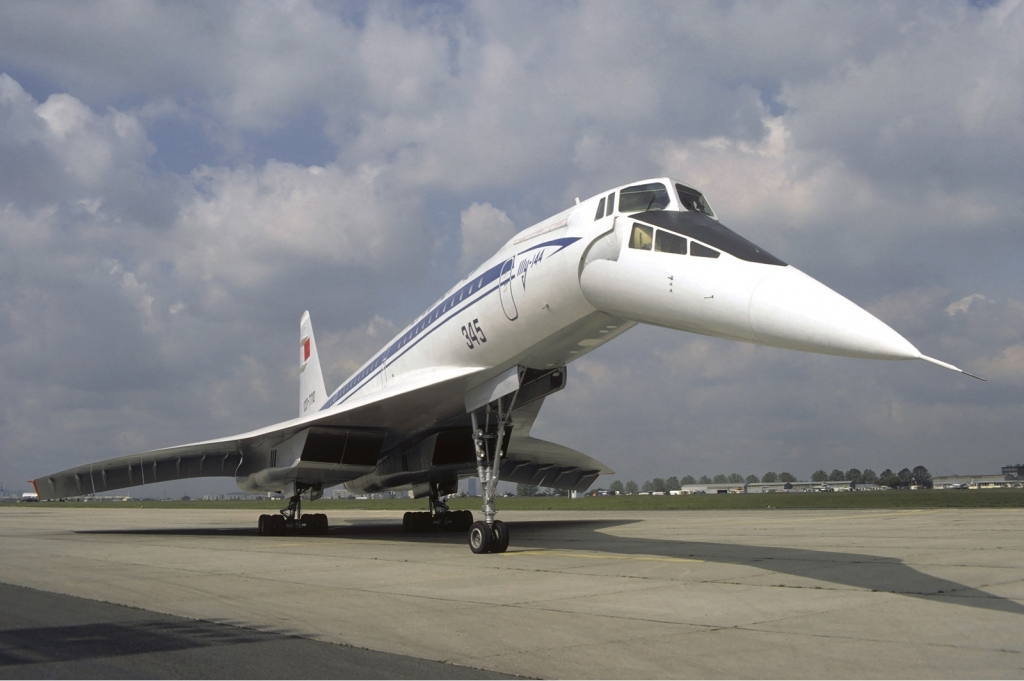
Image source: Wikipedia
We remember the Tu-144, now we have returned to this. Remember, it had a lowering nose? So that the pilot could see where to land. That design had its limitations in terms of aerodynamics. Today, there is no need to lower the nose.
Dutov recalled that in 2025, the flying laboratory Yak-40 was tested, when the pilot controlled the aircraft from the middle of the cabin.
We had extensive research with colleagues, because the human eye is a measuring device. But when we look at the screen, the eye no longer works that way. We have overcome this problem. A combination of various devices improves vision, because there are different conditions, fog or something else. Now a person will see everything. The main thing is to have a full range of intelligent assistants so that a person is guided not only by their feelings.
Aviation expert Roman Gusarov stated to "Pervyi Tekhnicheskiy" that the new supersonic aircraft may be equipped with a 177S engine, originally developed for tactical aviation.
Read more materials on the topic:
Never miss our newsAdd this site to your preferred sources to see us more oftenAdd on Google

















