Russian scientists from Skoltech have developed and patented a sensor based on nanoparticles. Its use will accelerate and reduce the cost of production of composite materials from thermosetting polymers.
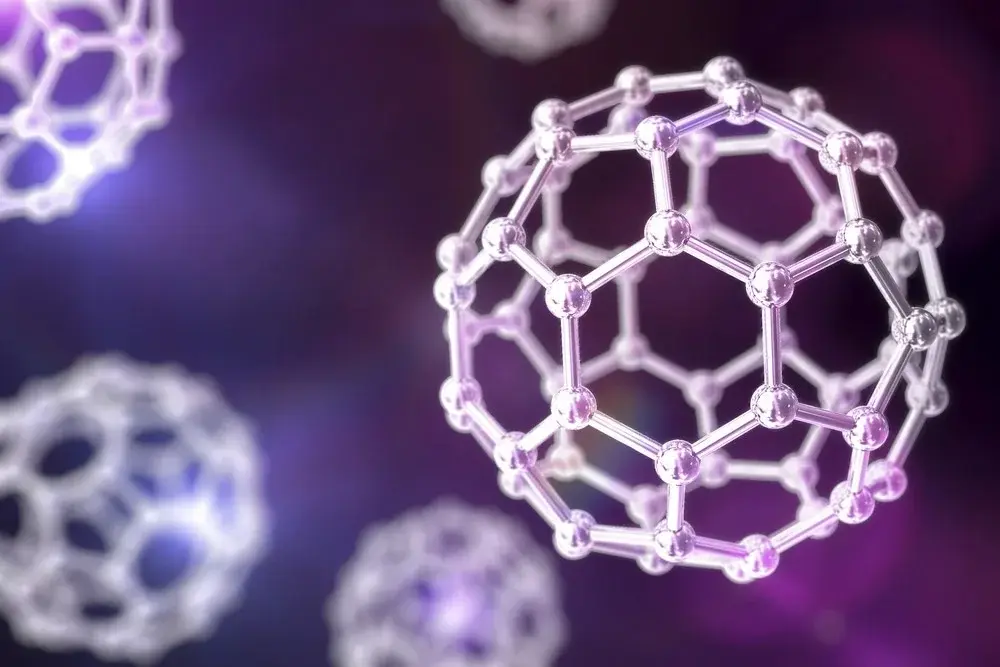
"Our method is especially relevant for large parts that are baked for a long time in huge ovens and autoclaves. A prime example is the components of ships and especially aircraft, in which the proportion of parts made of thermosetting polymers reaches 30-50%. The return on optimizing their production is very high", - said Skoltech researcher Biltu Mahato.
A group of scientists led by Sergei Abaimov, a leading researcher at the Skoltech Center for Hydrocarbon Recovery Science and Technology, has developed a methodology that will significantly speed up and reduce the cost of producing composite structures from thermosetting polymers.
"We have developed a cheap, scalable and flexible method for monitoring the degree of curing of thermosetting polymers. The method involves adding electrically conductive particles to the polymer. Due to a number of complex processes, the distances between the conductive particles and the tunnel potentials change as baking progresses. These changes are reflected in the overall electrical conductivity of the nanocomposite", - explained Abaimov.
Never miss our newsAdd this site to your preferred sources to see us more oftenAdd on Google

















