The Tu-95MS strategic missile carrier remains one of the key aircraft of Russia's long-range aviation, although its first flight took place back in 1952. Crews perform long-range patrols and are capable of striking targets thousands of kilometers away.
"Pervy Tekhnichesky" answers the most popular questions about one of the most unusual bombers in the world.
How many Tu-95MS does Russia have left and where are the new ones?
According to open estimates, the Russian Aerospace Forces have about 58 Tu-95MS and Tu-95MSM strategic missile carriers.
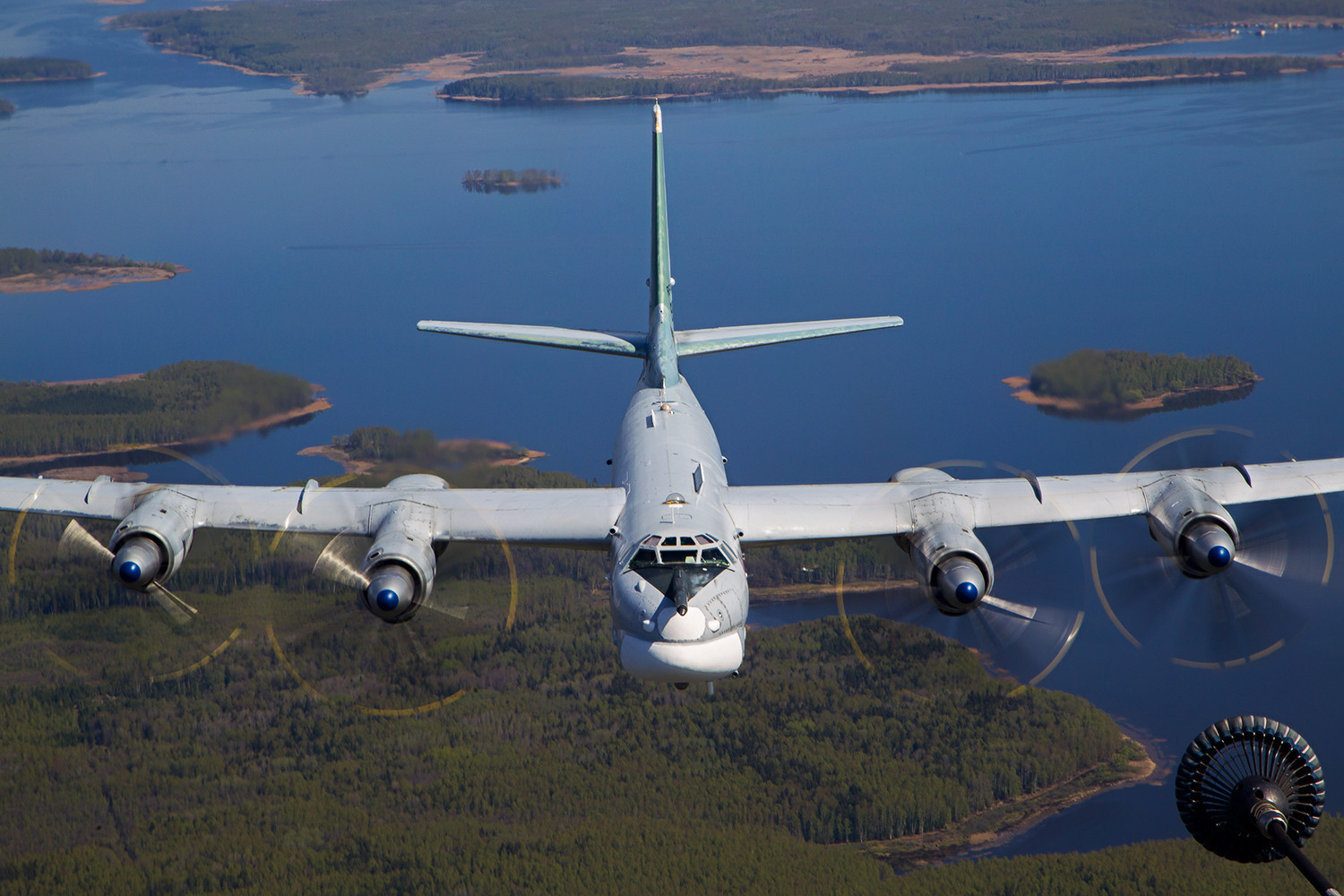
Serial production of the aircraft was completed back in 1992. Therefore, new machines are not being built — the fleet is maintained through major overhauls and deep modernization of old aircraft.
Updated Tu-95MSM aircraft receive new propellers, more powerful NK-12MPM engines, modern onboard equipment, and expanded capabilities for using high-precision weapons.
What missiles does the Tu-95MS carry?
The main weapon of the missile carrier is long-range cruise missiles Kh-101 and Kh-102, as well as earlier Kh-55.
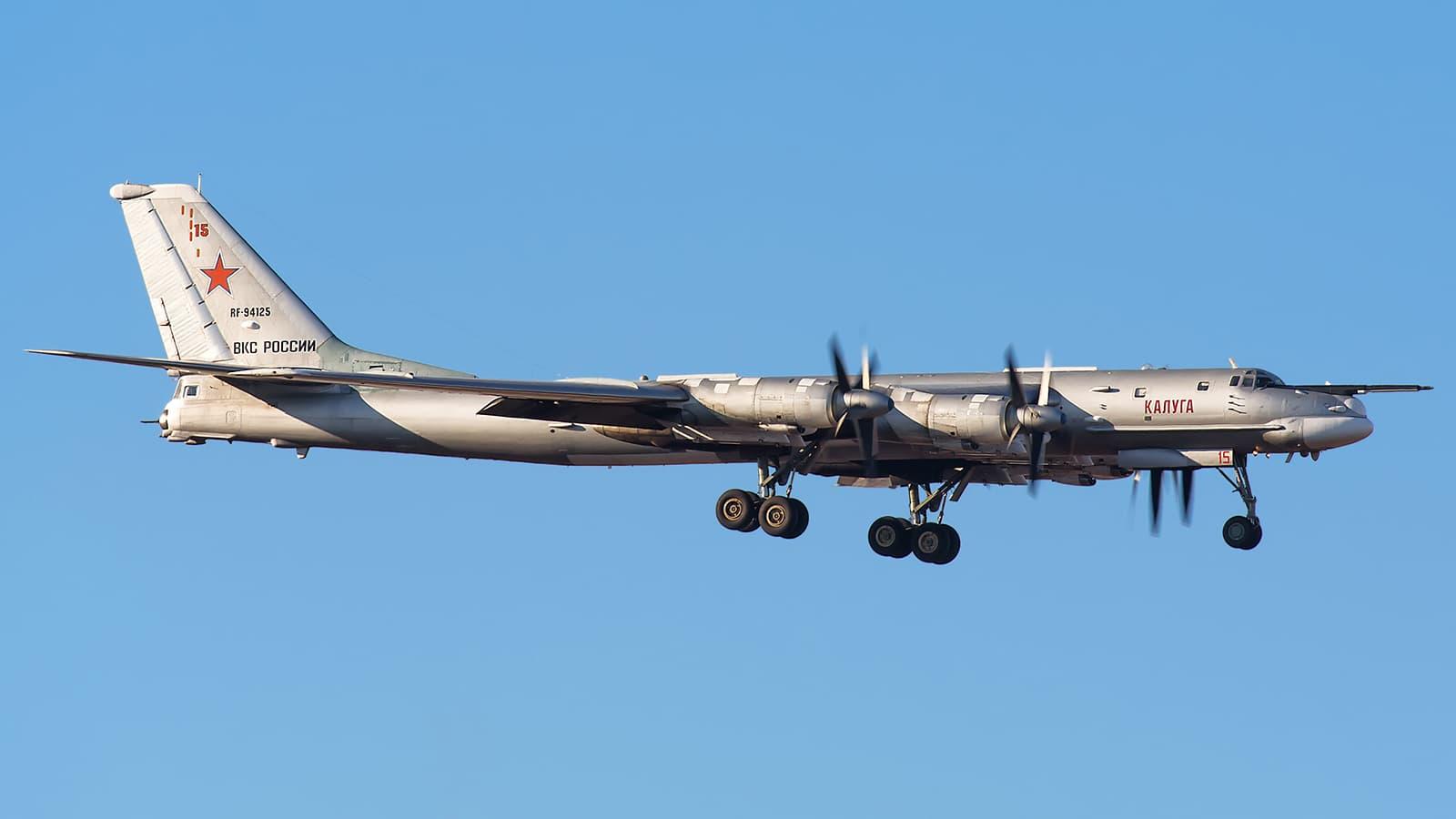
Depending on the modification, the aircraft can carry up to 14–16 cruise missiles: some are placed in an internal rotary launcher, the rest — on underwing pylons.
The flight range of the Kh-101 exceeds 5000 km, so the Tu-95MS can launch without approaching the front line.
Why does the Tu-95 still fly with propellers?
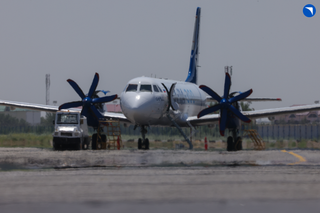
The main feature of the "Bear" is four NK-12 turboprop engines with coaxial propellers. They allow the aircraft to reach speeds of up to 830 km/h, remaining the fastest serial turboprop aircraft in the world.
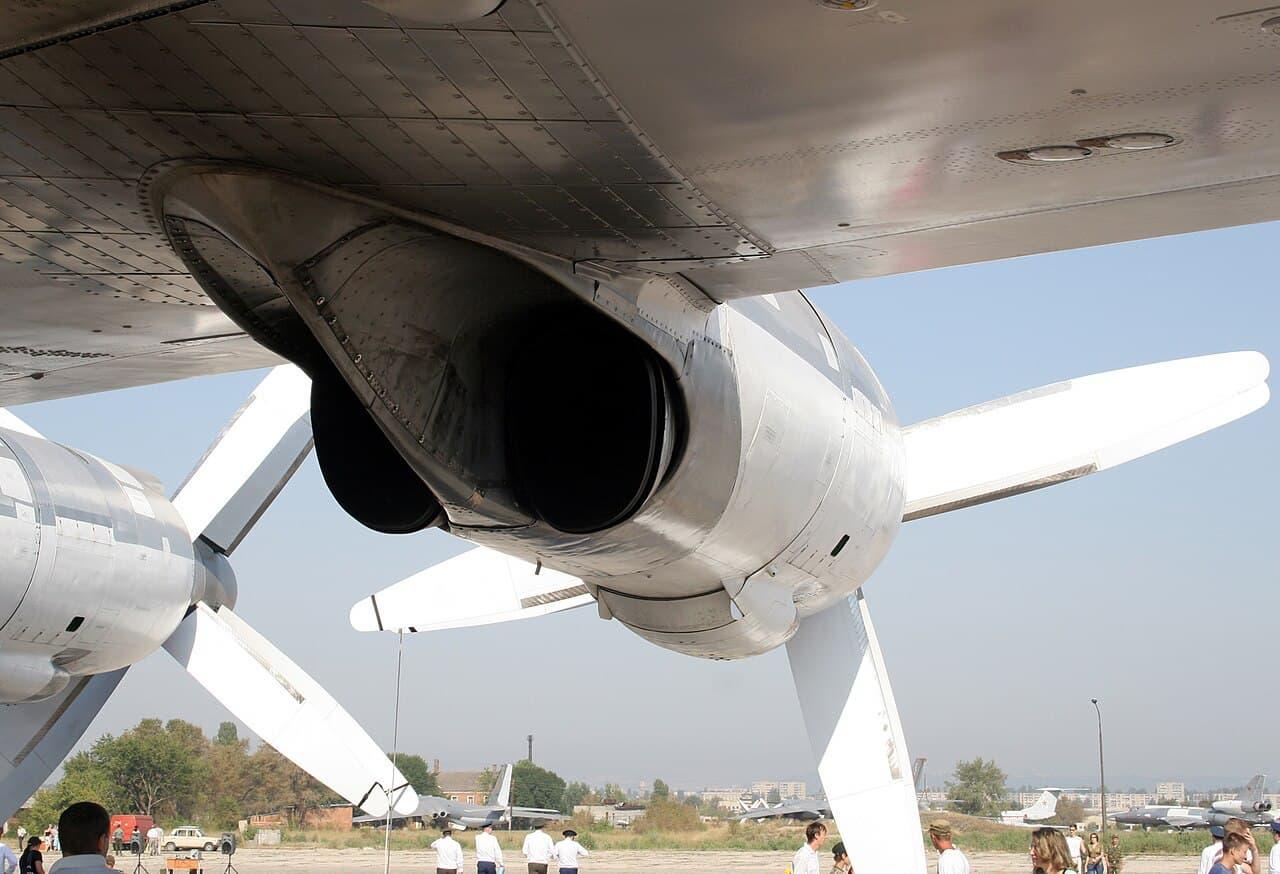
Compared to jet engines, this scheme is significantly more economical at subsonic speeds. Thanks to this, the Tu-95MS can stay in the air for more than 15 hours and cover over 10,000 km without refueling.
Read more on the topic:
Never miss our newsAdd this site to your preferred sources to see us more oftenAdd on Google