Anti-corrosion coating should protect a car from rust, but with improper body preparation, it can have the opposite effect. If the compound is applied directly to dirt or already existing corrosion, rust can continue to develop under the protective layer. Drivers were explained how to prepare a car for treatment and what to pay attention to when caring for the interior.
Simply coating the body with anti-corrosion is not enough
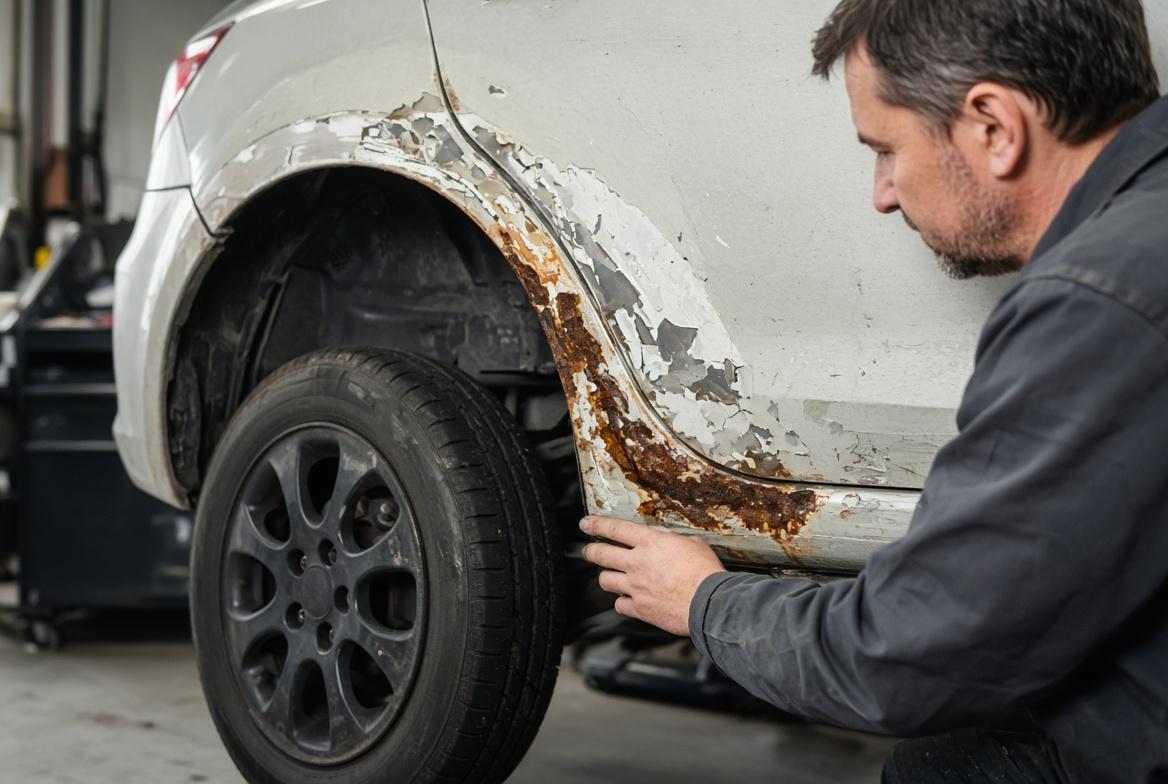
According to auto expert Evgeny Ladushkin, many methods of protecting a car from road reagents involve applying anti-corrosion compounds. But simply covering the body with them is not enough. First, the car must be thoroughly washed and the condition of the metal checked.
For self-treatment, the expert advises not to limit oneself to the body. It is also necessary to clean the underbody, hidden cavities, areas under the wheel arches, and behind protective elements.
If the car was painted or the body was repaired, you can record which parts were repaired, other experts reminded. These are the ones that should be inspected first after winter – even if the repaired area looks new from the outside.
Rust can hide under protection
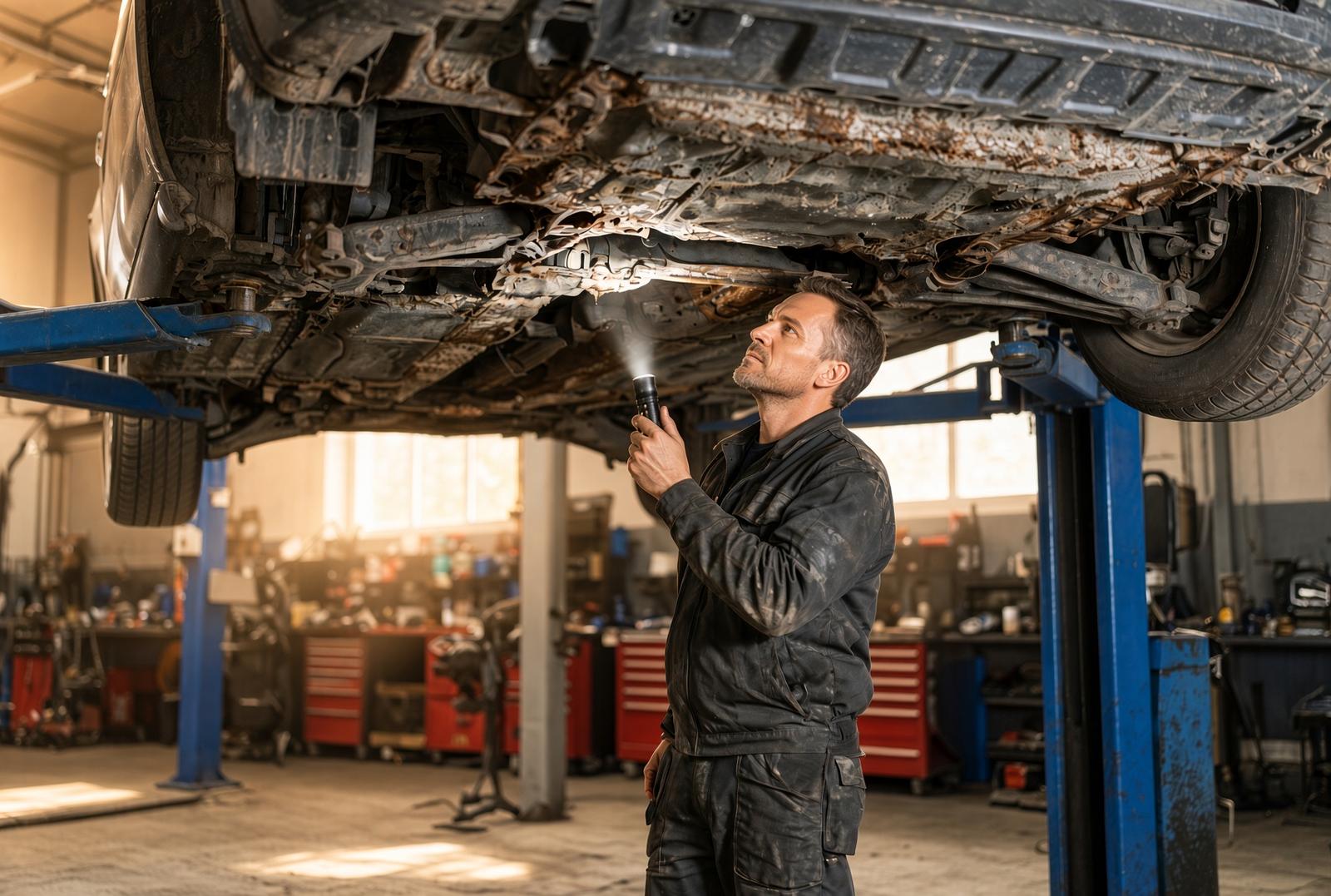
After washing, the car must be lifted and inspected from below. This allows you to notice remaining dirt and places where corrosion has already begun to appear.
Old dirt and rust marks must be removed before treatment. Only after that can you choose an anti-corrosion compound and method of application. If this step is skipped, the protective coating will not give the expected result. Moreover, as Ladushkin warned, corrosion can continue to develop already under the applied layer.
It is also not worth forgetting about treatment after a single application. The expert recommends checking the condition of the protective coating every six months, and at the same time cleaning the underbody and hidden cavities. Such an inspection helps to control both the anti-corrosion itself and the condition of closed body areas.
The condition of the metal can be determined not only by color. Paint blistering, small bubbles, and a loose chip edge can also indicate corrosion. It is better to check such places before applying the protective compound.
The car can rust even from the interior
There is another place that motorists might not think about – the interior. In winter, along with melted snow from shoes, salt and road reagents get inside the car. Because of this, the body can begin to corrode from the inside. Therefore, water and accumulated dirt in the interior must also be removed in time.
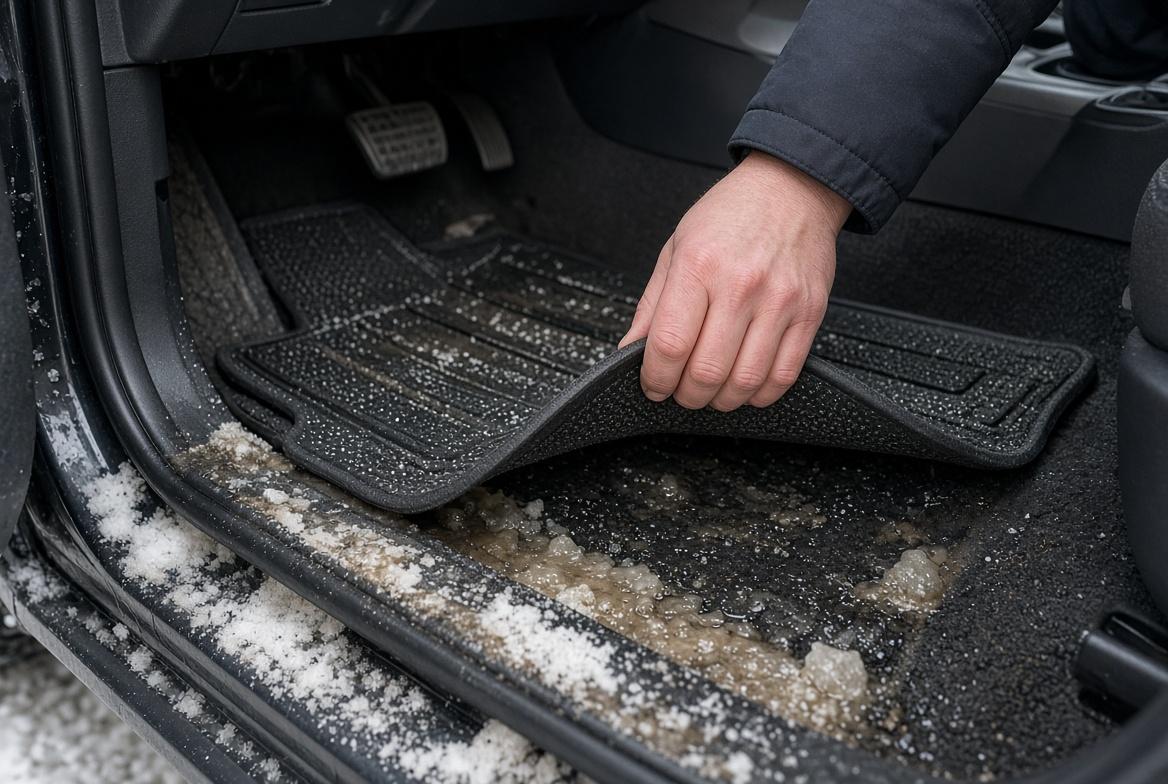
In winter, motorists are advised to periodically remove floor mats from the car and dry not only their surface, but also the space under them.
After heavy rain or washing, it is better to listen to the sound of the doors when opening and closing. If water is clearly splashing inside, this is a reason to check the drains. In a normal situation, water should drain out, not remain inside the door.
Read more on the topic:
Never miss our newsAdd this site to your preferred sources to see us more oftenAdd on Google











![Growth Point: After 5G Launch, Mobile Internet in Russia Accelerated by 20%","subtitle":"TelecomDaily recorded an upload speed increase of 19.7%, and download speed of almost 14%","announce":""}[]}],](https://media.ixbt.site/fit-in/320x/ixbt-data/1727896/ai-image-nvgq0a0v5cjnyxwoc8xpelva.webp)