Translated with AI from the Russian original.
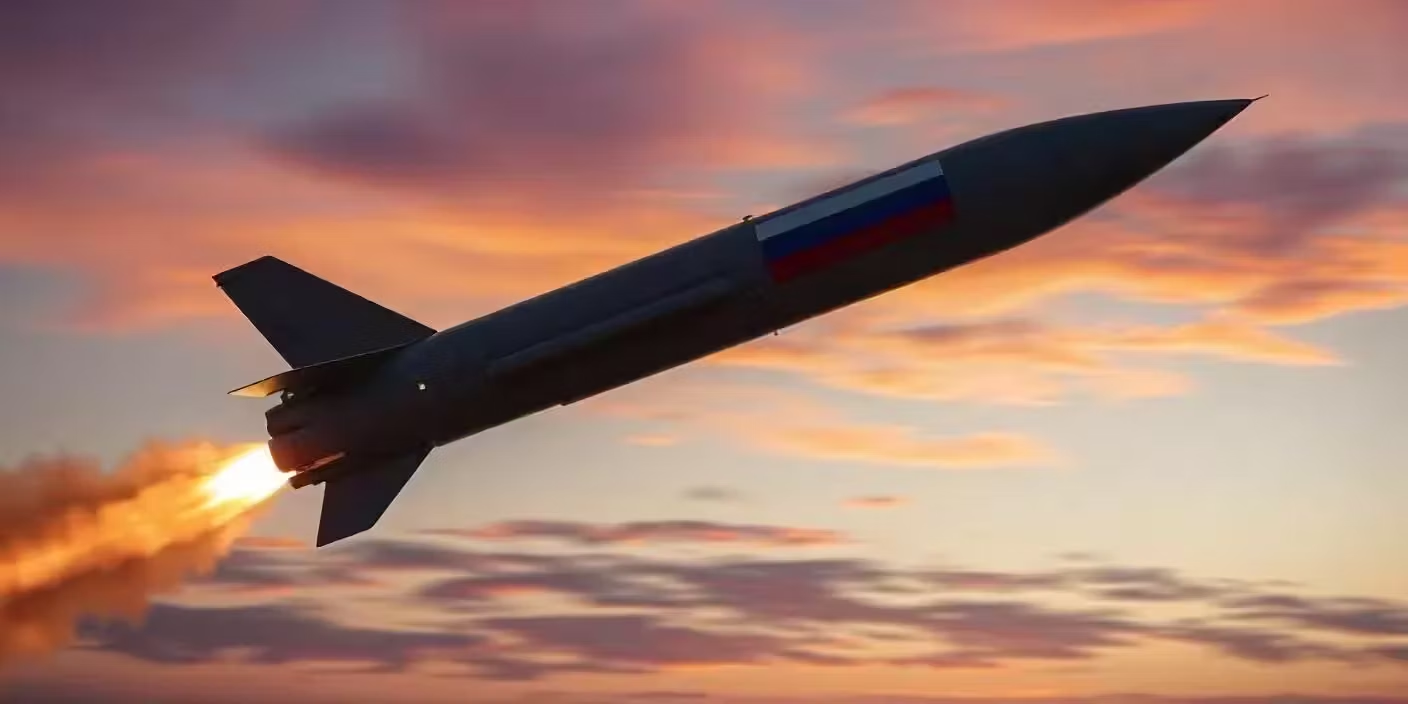
The Russian intercontinental cruise missile "Burevestnik" (GRAU index — 9M730) is a fundamentally new class of strategic deterrence weapon. Unlike conventional cruise missiles, it is equipped with a unique small-sized nuclear power plant, which radically changes its tactical and technical characteristics (TTC) and makes it invulnerable to missile defense systems.
"Pervyy Tekhnicheskiy" analyzed the key technical parameters of this top-secret project.
What are the real TTCs of "Burevestnik"?
Most of the exact characteristics are classified, but experts and specialized observers agree on quite specific figures and parameters.
The missile's length at launch is about 12 m, and after the massive solid-propellant booster is jettisoned, the cruise stage remains in the air, about 9 m long. The fuselage has a characteristic flat teardrop-shaped cross-section (approximately 1 by 1.5 m), which reduces the radar visibility of the object for enemy radars.
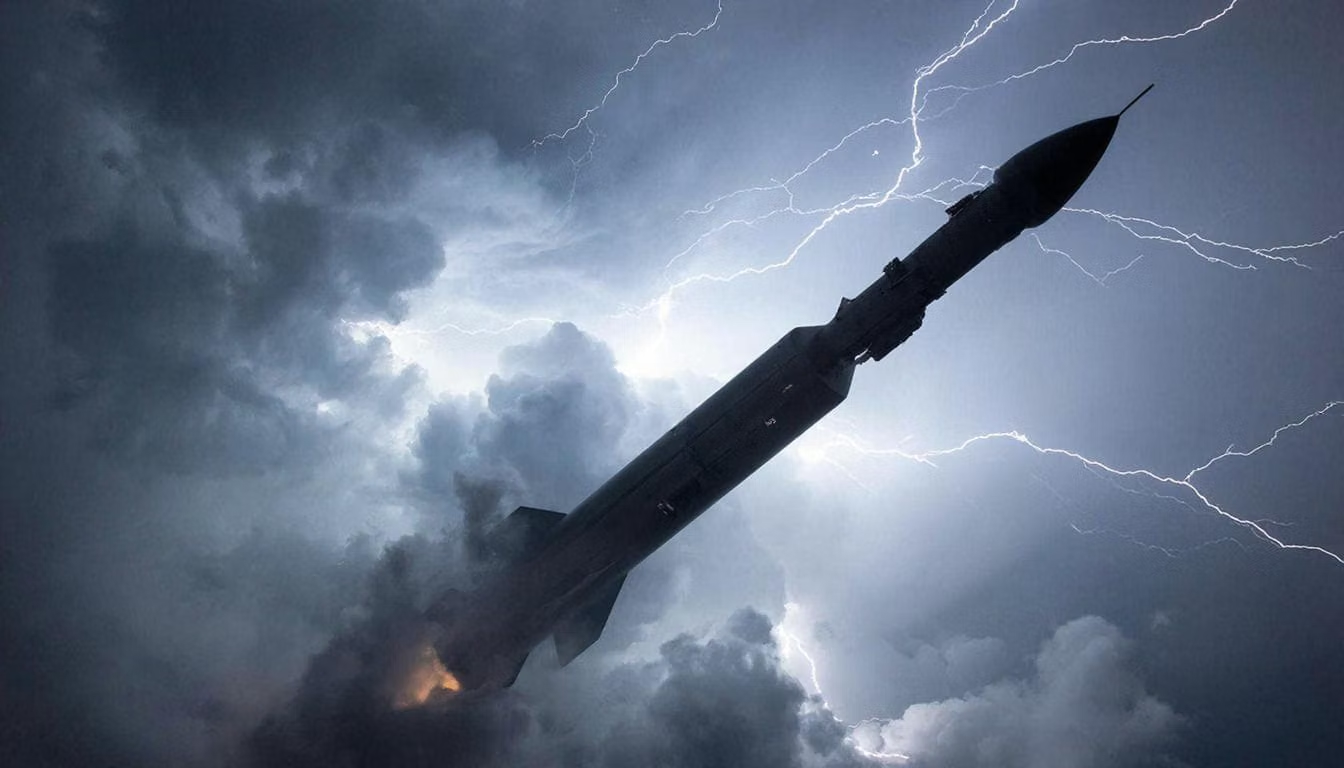
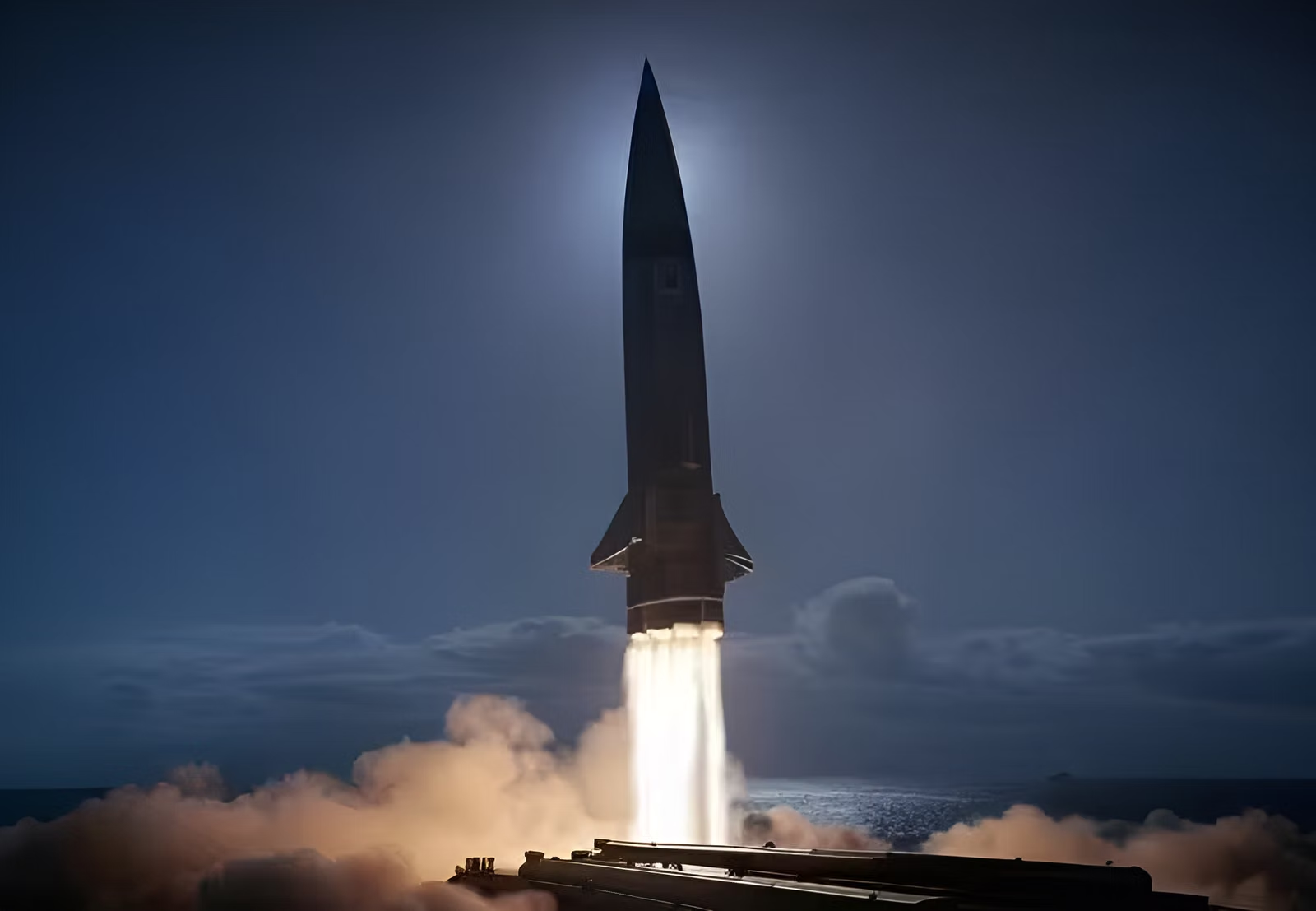
The main figure of "Burevestnik" is its flight range, which is practically unlimited. The solid-propellant launch engine is only needed to accelerate the missile in a few seconds and create a powerful pressure in the air intake.
In terms of speed parameters, "Burevestnik" belongs to subsonic weapons. It travels to its target at a speed of about 850–1000 km/h (0.7–0.8 Mach). Accelerating a missile with an open-cycle reactor to supersonic speeds is technically impractical due to critical thermal loads.
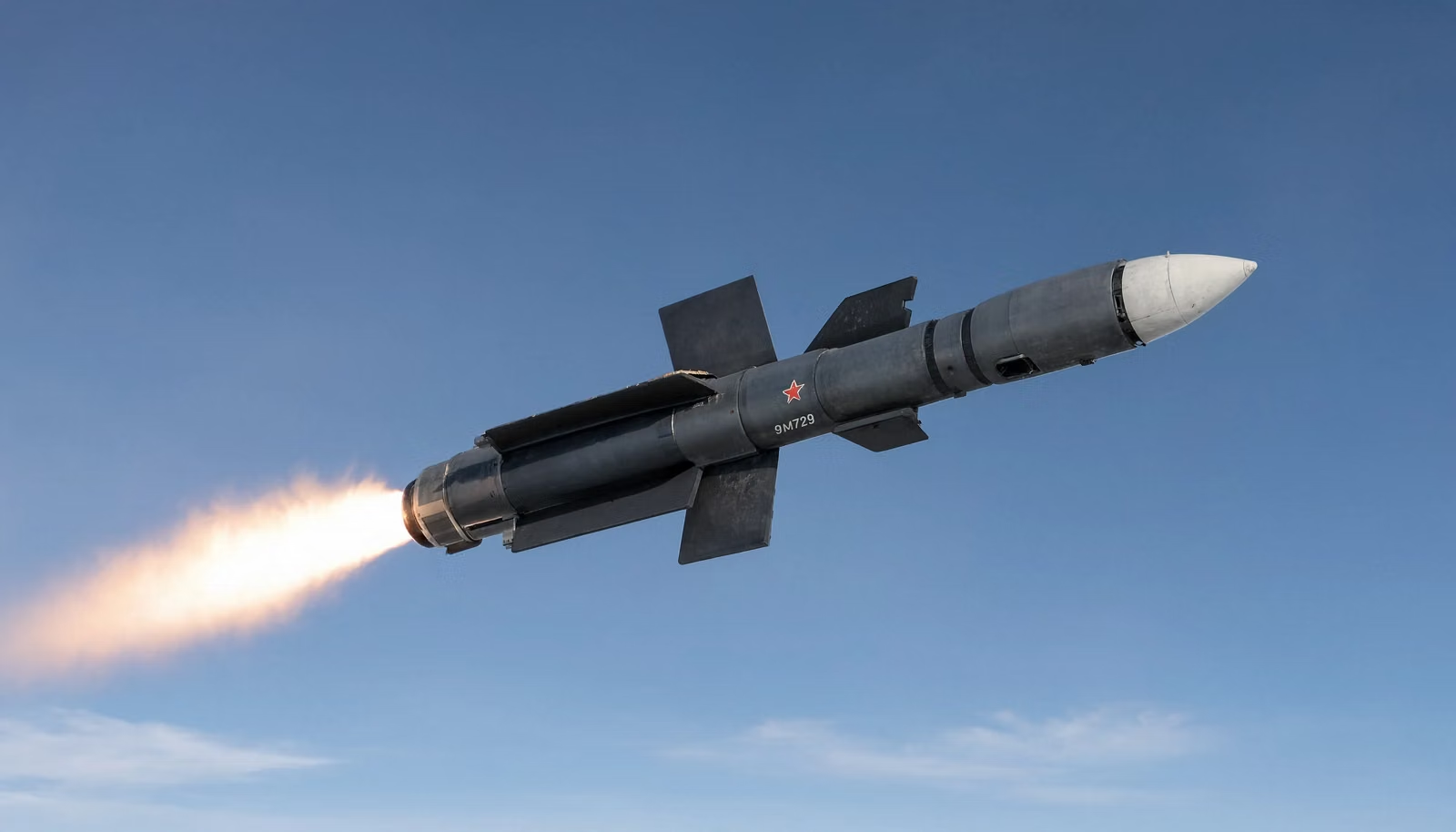
The emphasis is on ultra-low flight altitude — only 25 to 100 m above the ground. The missile literally hugs the terrain and bypasses the relief, remaining invisible to ground-based radars due to the radio horizon.
A monoblock thermonuclear warhead with a power, according to various estimates, from 100 to 250 kT is used as the warhead, and guidance accuracy is ensured by a combination of laser correction based on terrain and the GLONASS system.
How many missiles are in service?
The exact number of assembled units and their deployment locations are a strict state secret. Project "9M730" is not intended for mass production in thousands of units, like conventional tactical missiles. This is a unique high-tech weapon for a retaliatory nuclear strike.
We are talking about special closed positions with retractable roofs and protected storage facilities.
Due to its enormous mass, caused by the biological protection of the reactor, the missile is created in a ground mobile version on multi-axle wheeled chassis.
Why is it called "Skyfall" in the West?
In NATO codification, the missile received the official designation SSC-X-9 Skyfall.
Firstly, this is probably a direct reference to an apocalyptic scenario: the appearance of "Burevestnik" completely nullifies the American missile defense system, on which billions of dollars have been spent.
Secondly, foreign experts from The War Zone are still debating the radiation trail of the engine, suggesting that during the operation of the open-cycle reactor, a plume of decay products may remain behind the missile, making its flight environmentally hazardous for enemy territory.
Read more on the topic:
Never miss our newsAdd this site to your preferred sources to see us more oftenAdd on Google

















