The advanced Russian cruise missile "Burevestnik" uses artificial intelligence technologies to process a large array of data, including a map of the starry sky and terrain. The scientific director of the Krylov State Research Center (KGNTs), Valery Polovinkin, spoke about the unique properties of the new ammunition.
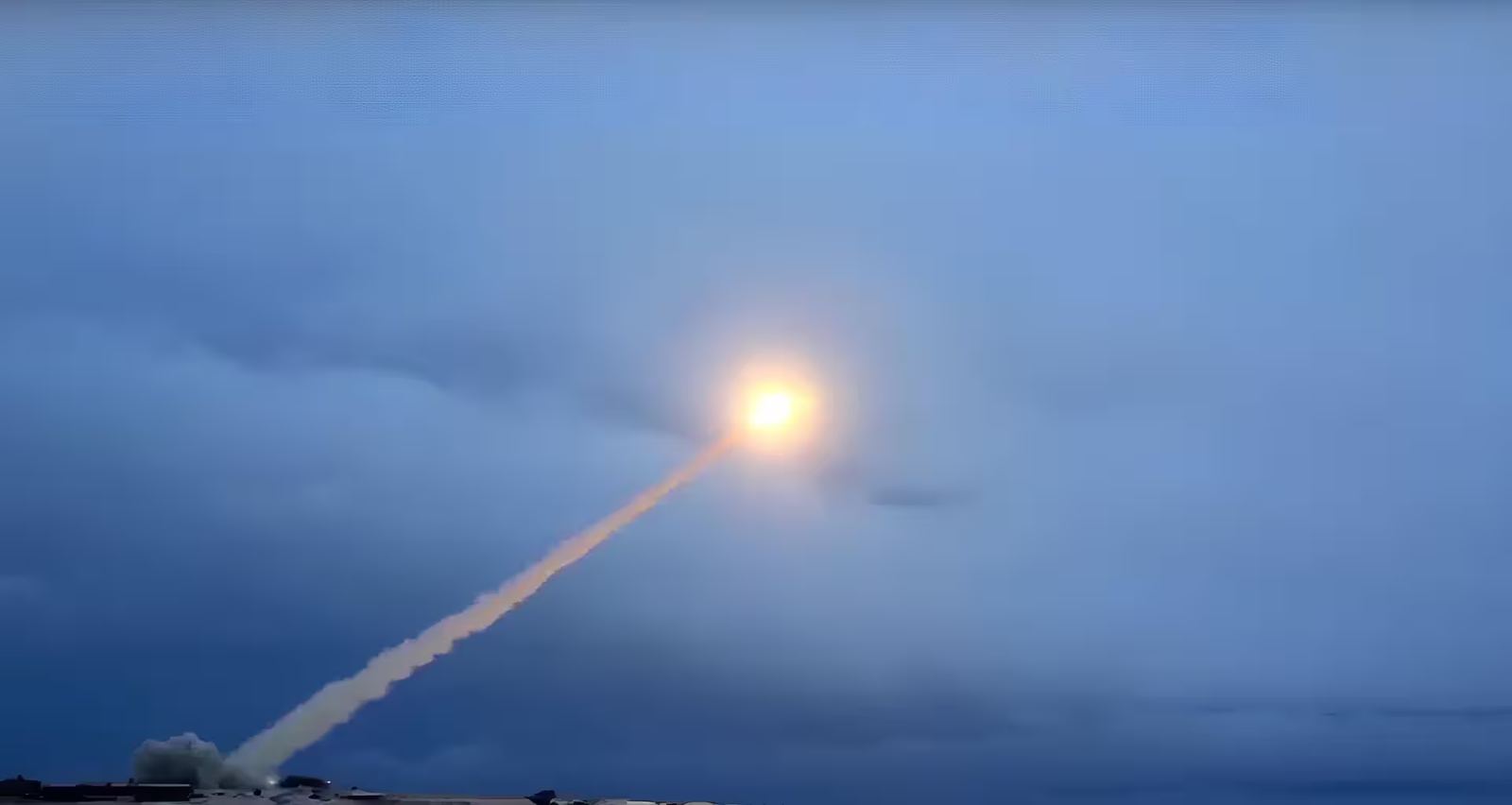
According to him, the low visibility of the "Burevestnik" is due to its ability to fly at both low and high altitudes.
Its control systems use artificial intelligence, which processes a huge array of data - maps with terrain and the starry sky, and other data embedded in it.
In October, it became known aboutthe completion of tests of the "Burevestnik" with a nuclear reactor. Thanks to it, the range of the missile is unlimited, and the ammunition is completely invulnerable to all existing air defense systems.
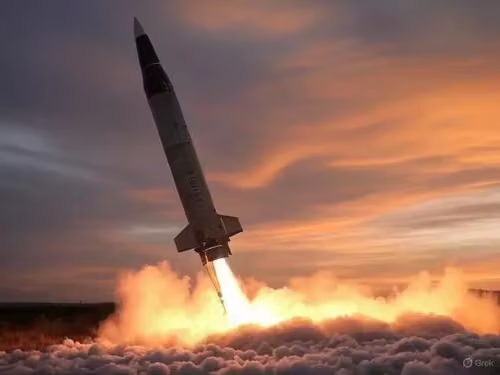
However, in the West, the invulnerability of the "Burevestnik" was considered doubtful. Military experts noted thatthe reliability of the system raises questions, since maintaining the integrity of the missile's reactor in combat conditions is extremely difficult.
Read more materials on the topic:
- "A country with the best army in the world": the Federation Council spoke about the power of "Burevestnik"
- The inability of the American THAAD missile defense system to intercept the Russian "Oreshnik" has been revealed: only 7% probability
- Admiral: the launch of the "Khabarovsk" submarine means the start of the functioning of the nuclear "Poseidon"
Never miss our newsAdd this site to your preferred sources to see us more oftenAdd on Google