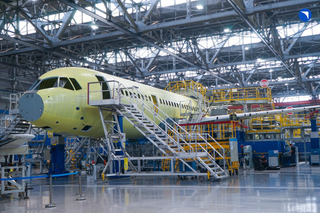
Long-haul wide-body aircraft are the premier league of the aviation industry, where seat-mile cost and fuel consumption figures rule the roost. While the Voronezh Aircraft Plant prepares the Il-96-400M for flights, a restrained skepticism and hopes of returning to Western airliners prevail in airline offices.
What is this – cold pragmatism or unjustified business pessimism? Let's compare the "Ilyusha" with the benchmark of efficiency in this class – the Airbus A350-1000.
Flight Range
The Il-96-400M is designed for a range of up to 8000 km, while the Airbus A350-1000 can cover about 16,000 km without landing.
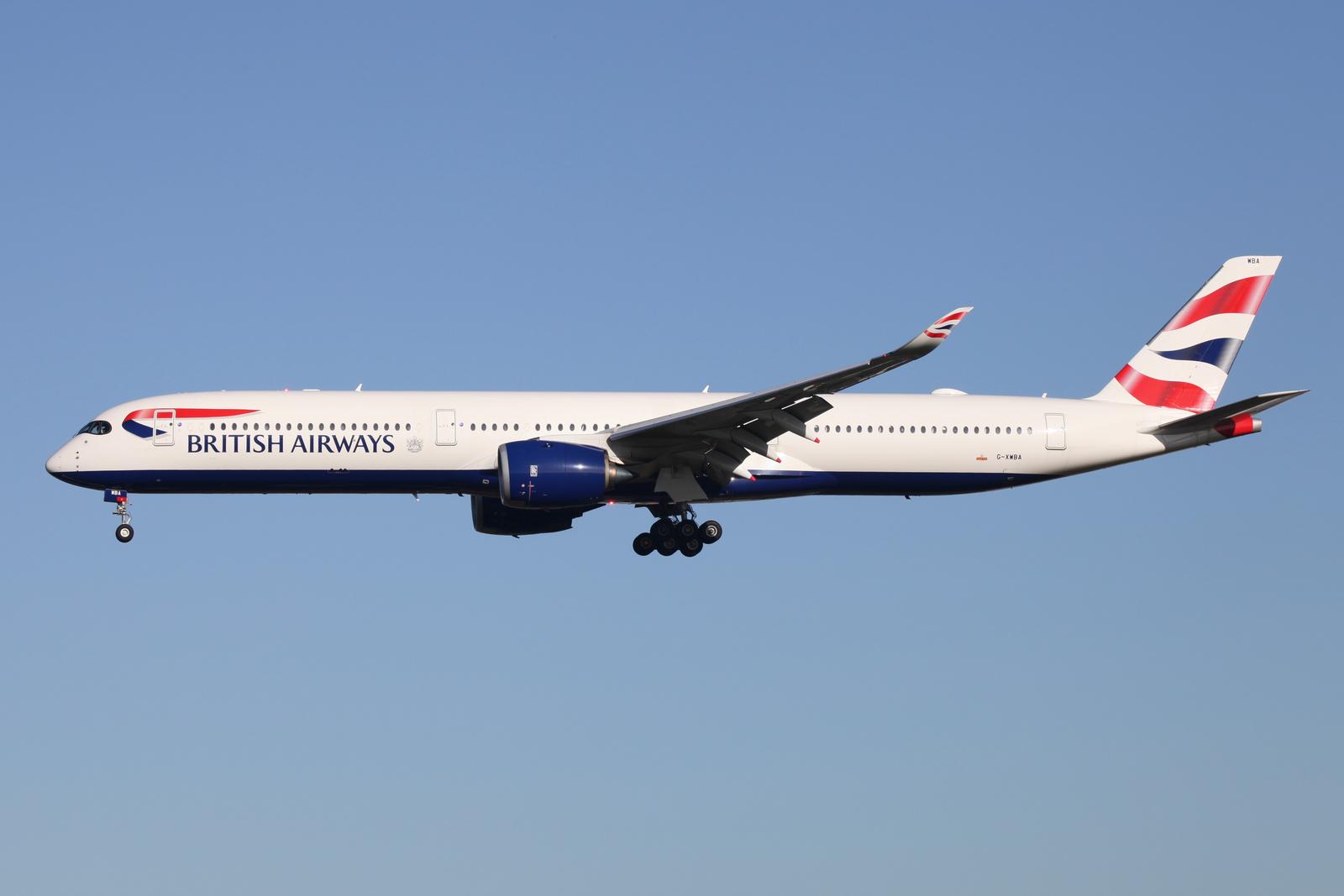
This allows the European airliner to perform direct flights between almost any major cities in the world, while the "96th" is oriented towards medium and long-haul routes. Here, the A350-1000 wins.
Passenger Capacity
The Il-96-400M can carry up to 370 passengers in a single-class configuration. The A350-1000 in a standard three-class configuration is designed for approximately 350–410 passengers, and in a maximum-density configuration – more than 480 people.
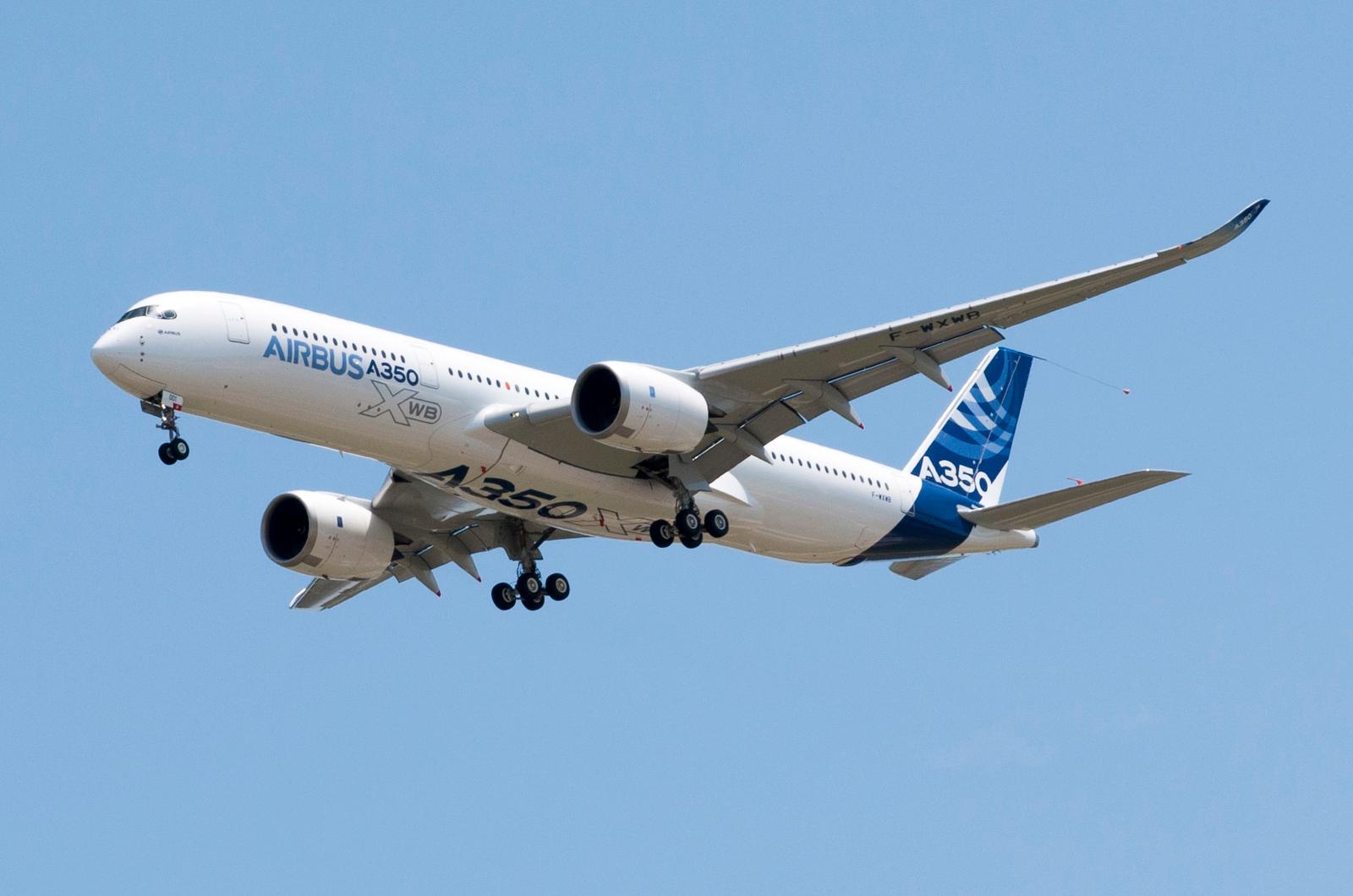
At the same time, the European aircraft offers significantly more cabin layout options and is better adapted to different airline requirements. Therefore, the A350-1000 has a slight advantage.
Fuel Efficiency
Here, the gap between the aircraft is particularly noticeable. The Il-96-400M is equipped with four PS-90A1 engines, while the A350-1000 received two powerful Rolls-Royce Trent XWB-97 engines.
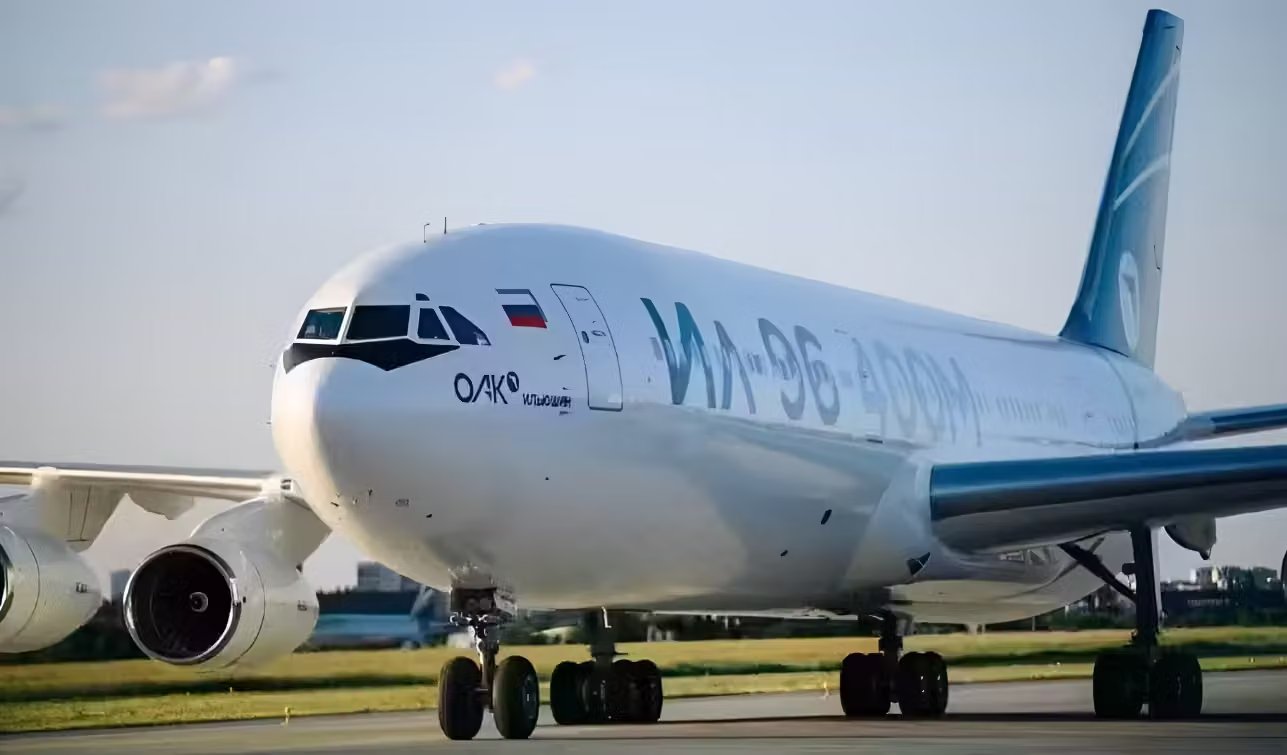
Four engines increase fuel consumption and maintenance costs. The modern twin-engine A350-1000, thanks to its aerodynamics, composite airframe, and new engines, is significantly more efficient per passenger-kilometer. A third point for it.
Reliability and Operation
The Il-96 has an important advantage in the form of a proven four-engine scheme. The failure of one engine does not lead to a significant loss of thrust, and the aircraft calmly continues its flight on the remaining three.
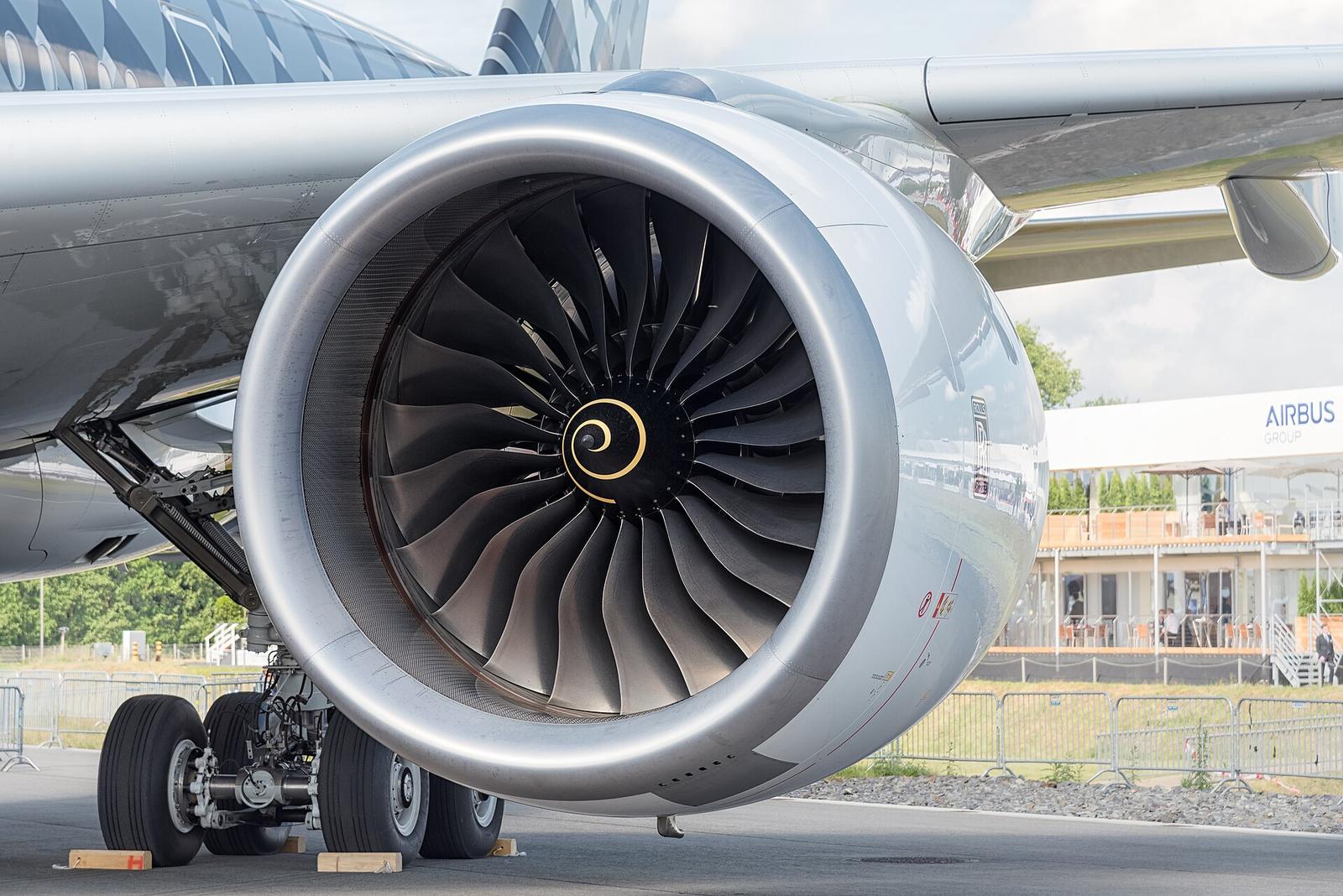
The A350-1000 uses two engines, but each of them has a huge thrust reserve and meets modern ETOPS requirements. At the same time, the European airliner has significantly more global operational statistics, which means it wins.
Independence
The Il-96-400M is practically independent of foreign suppliers of key systems and components. The aircraft and its engines are manufactured in Russia, which is especially important under sanctions.
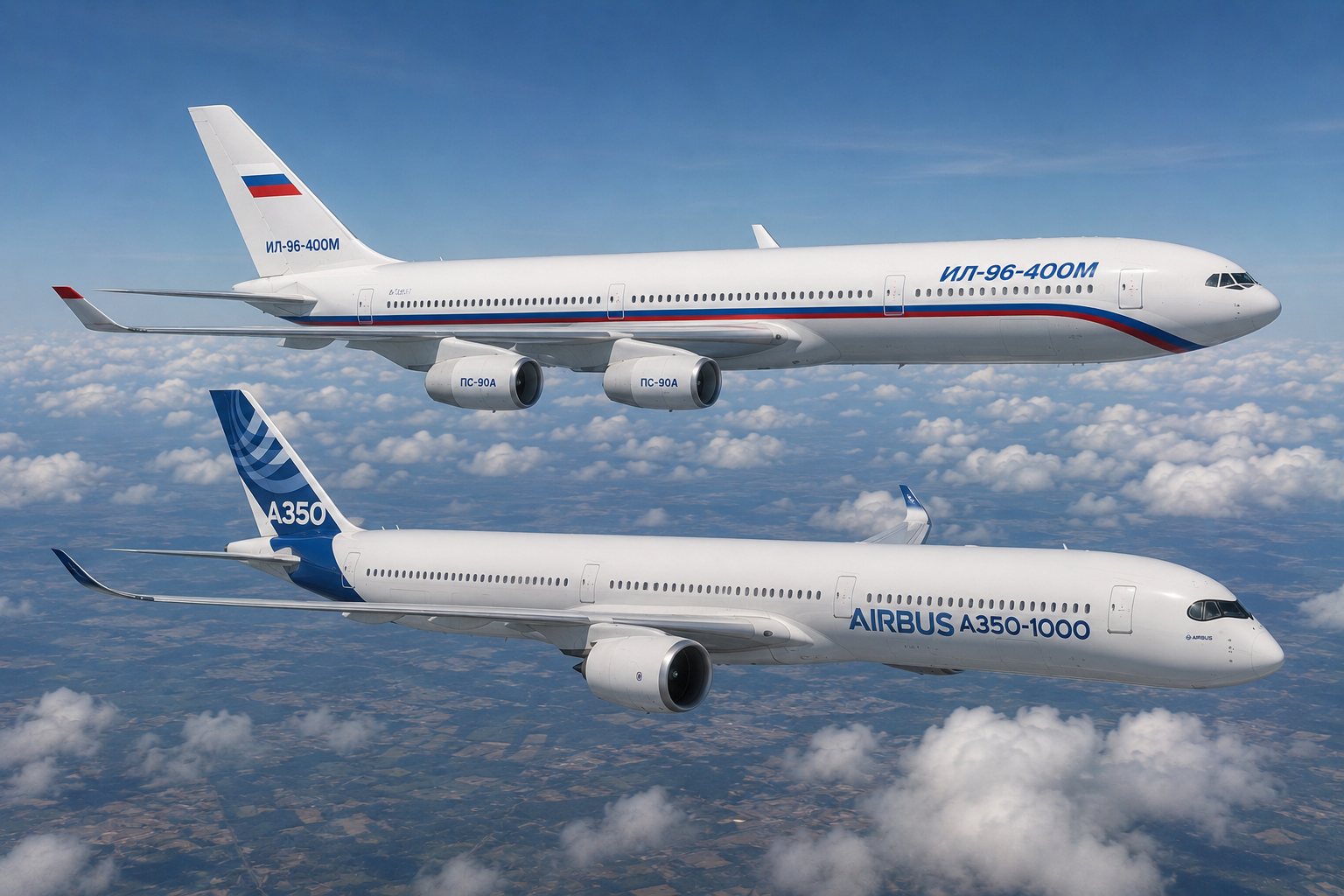
The A350-1000 was created as a global product that relies on an international supply chain. For a Russian airline, this means potential dependence on foreign supplies and maintenance. The Il-96-400M looks more preferable.
Final score – 4:1 in favor of the Airbus A350-1000.
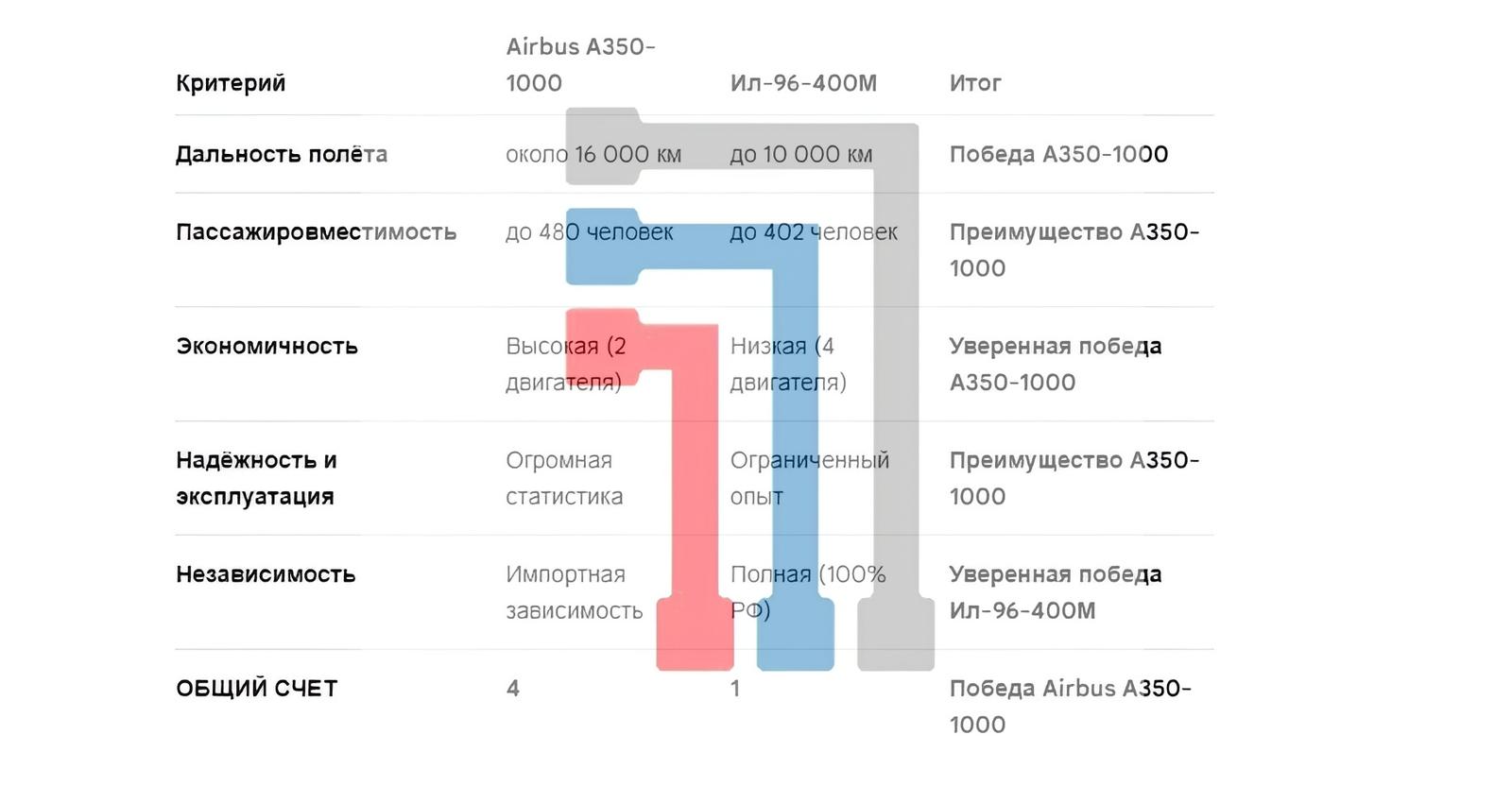
The European airliner wins in range, capacity, fuel efficiency, and operational statistics. The Russian Il-96-400M takes the lead in technological independence.
Read more on the topic:
Never miss our newsAdd this site to your preferred sources to see us more oftenAdd on Google