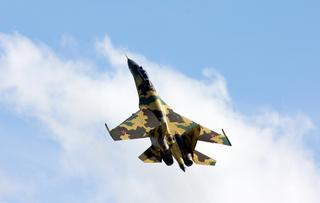
The Russian Su-57 and Chinese J-20 are two of the most advanced fighters developed outside the United States. Both belong to the fifth generation but were designed for completely different tasks.
The Russian aircraft was created as a universal air superiority fighter. The Chinese aircraft was initially designed for long-range interception and combating support aircraft. In this material, we propose comparing both aircraft based on five key technical criteria.
Maneuverability
The Su-57 is equipped with two AL-41F1 engines with thrust vectoring and an aerodynamic design optimized for super-maneuverability. The aircraft is capable of performing maneuvers inaccessible to most modern fighters.
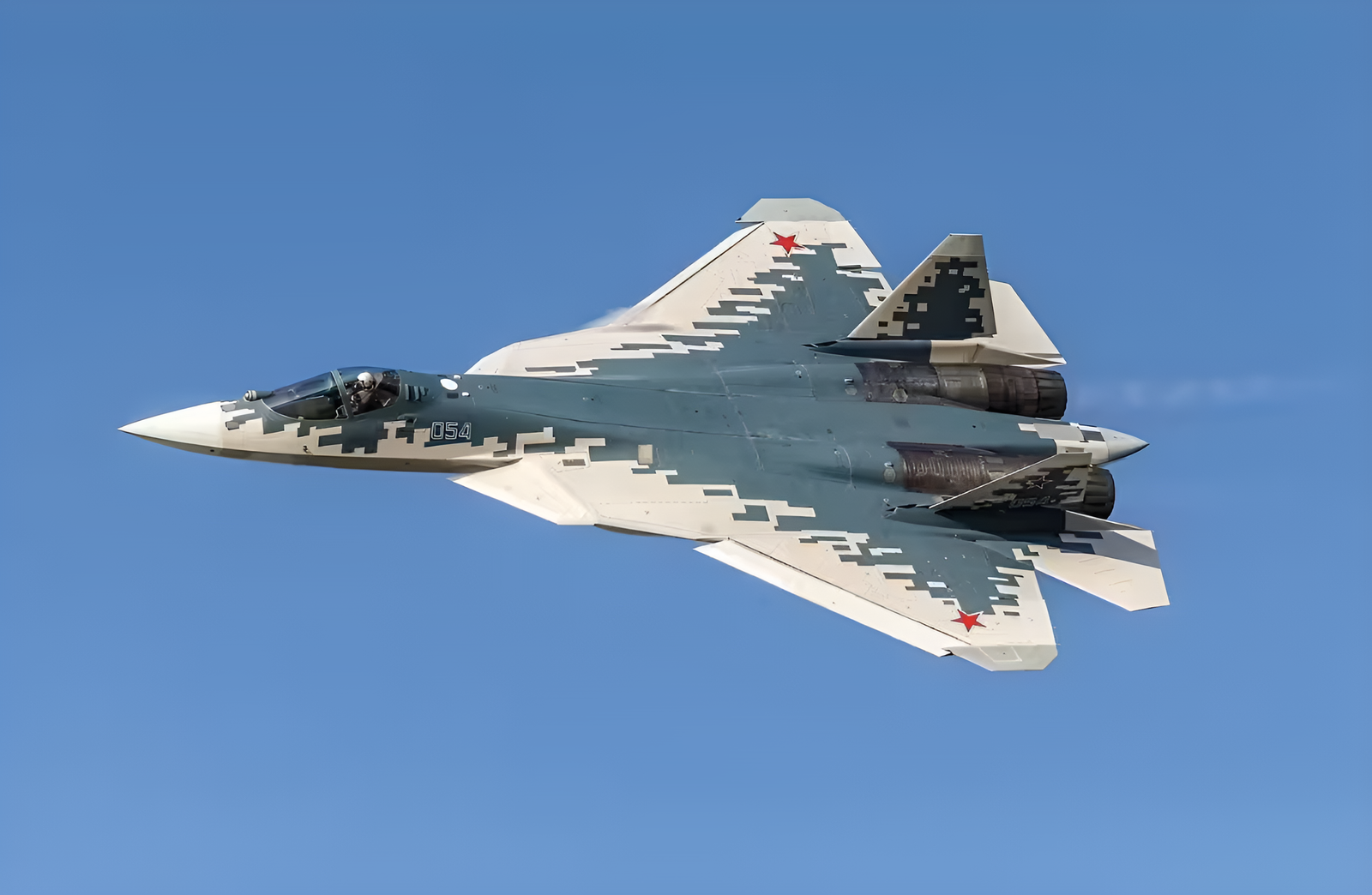
The J-20 also received modern WS-15 engines, however, its long fuselage, canard configuration, and large mass prioritize high speed and range rather than close-range dogfighting, where the Su-57 appears stronger.
Stealth
The main priority of Chinese designers is to reduce radar visibility. The J-20 received long S-shaped air intakes that completely conceal the engine compressor blades, and the aircraft's geometry is maximally subordinated to stealth requirements.
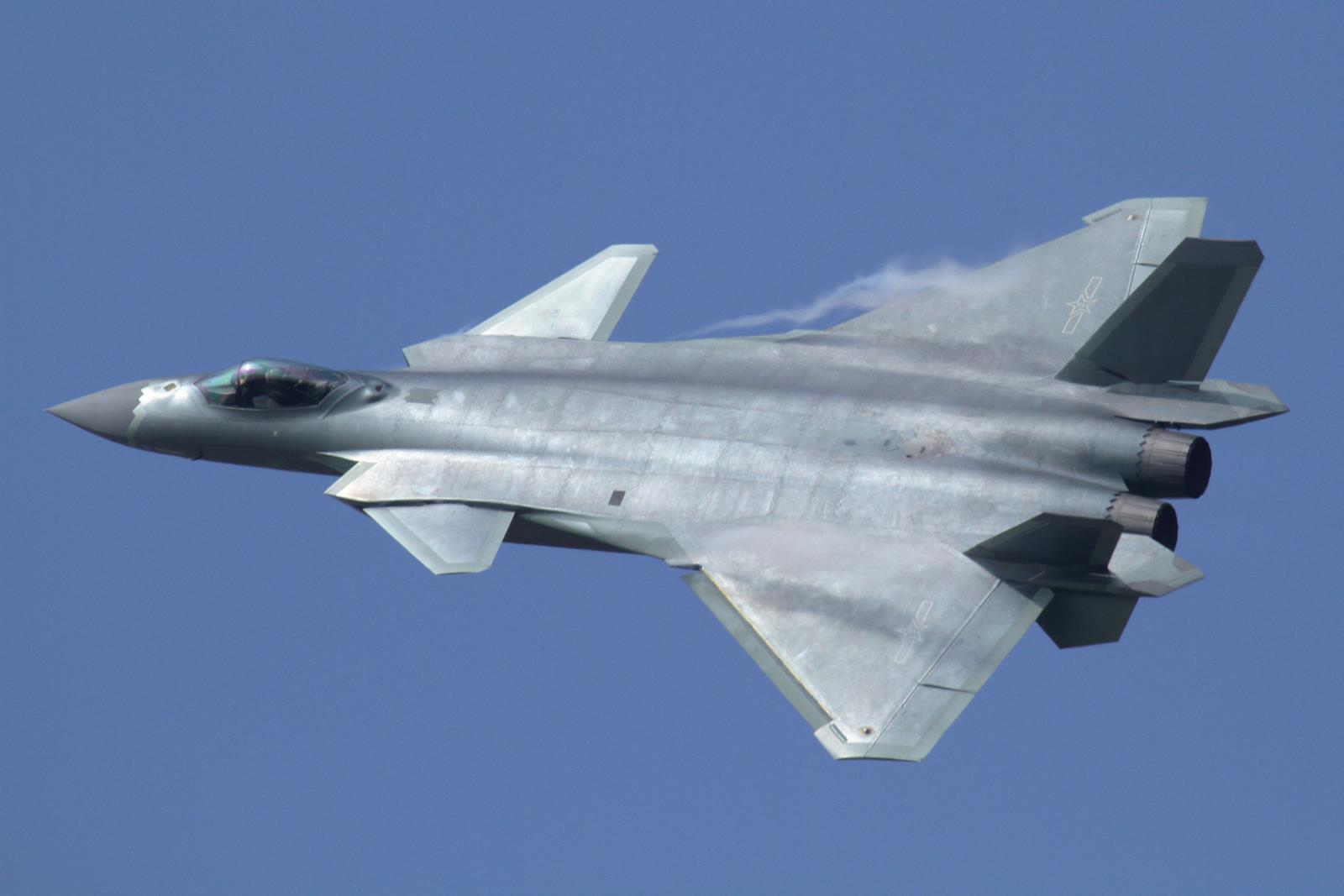
The Su-57 also uses RCS reduction technologies. However, Russian engineers deliberately made a compromise for better flight characteristics, so the J-20 evens the score here.
Armament
Both aircraft carry weapons in internal bays and are capable of employing long-range missiles. But the Su-57 is already integrated with a wide range of modern Russian air-to-air and air-to-surface missiles, including the R-37M, R-77M, and Kh-69.
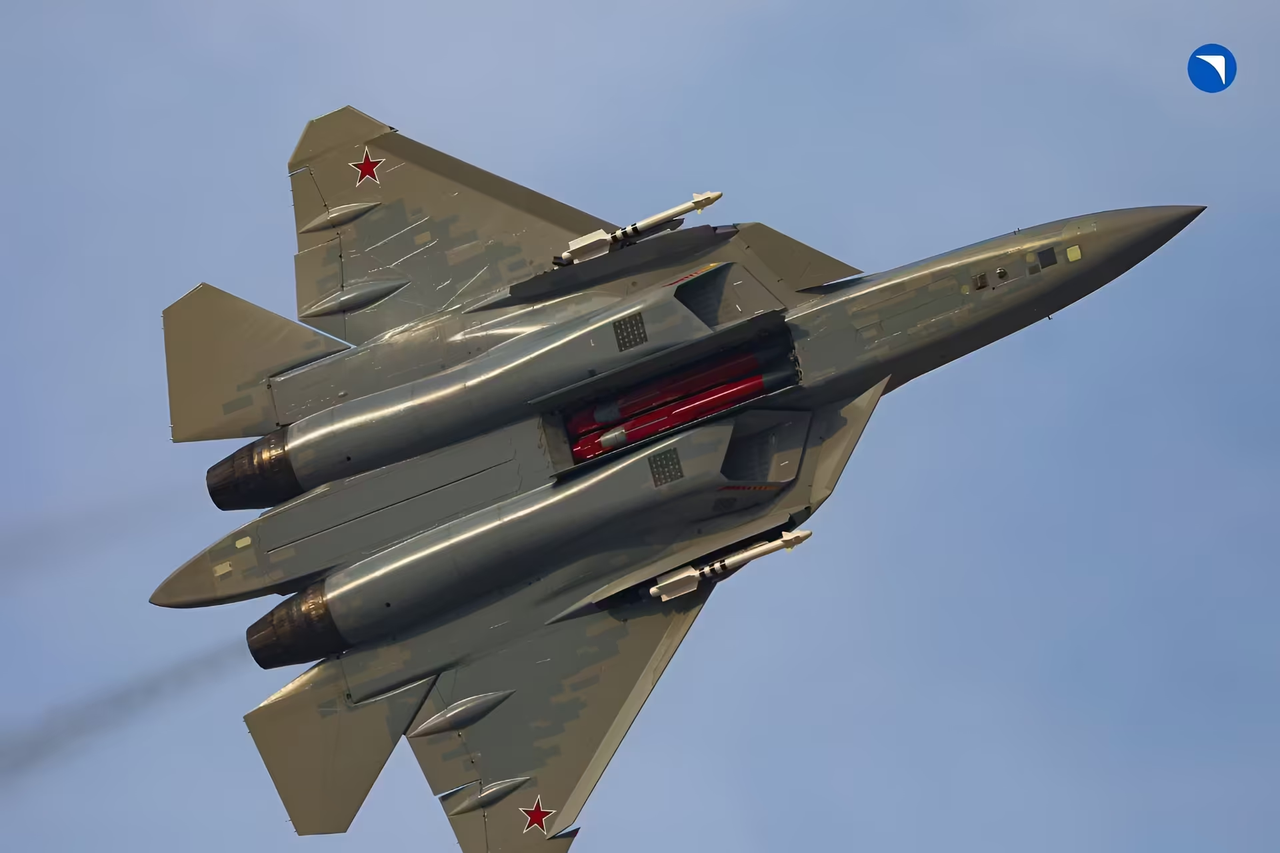
The capabilities of the Chinese J-20 are much less known, as most weapon characteristics remain classified. With a conditional advantage, we give the point to the Su-57.
Flight Range
The J-20 is noticeably larger than the Russian fighter and has a greater internal fuel capacity. That is why its combat radius is estimated at approximately 1800–2000 km, while the Su-57's is about 1500 km without external tanks.
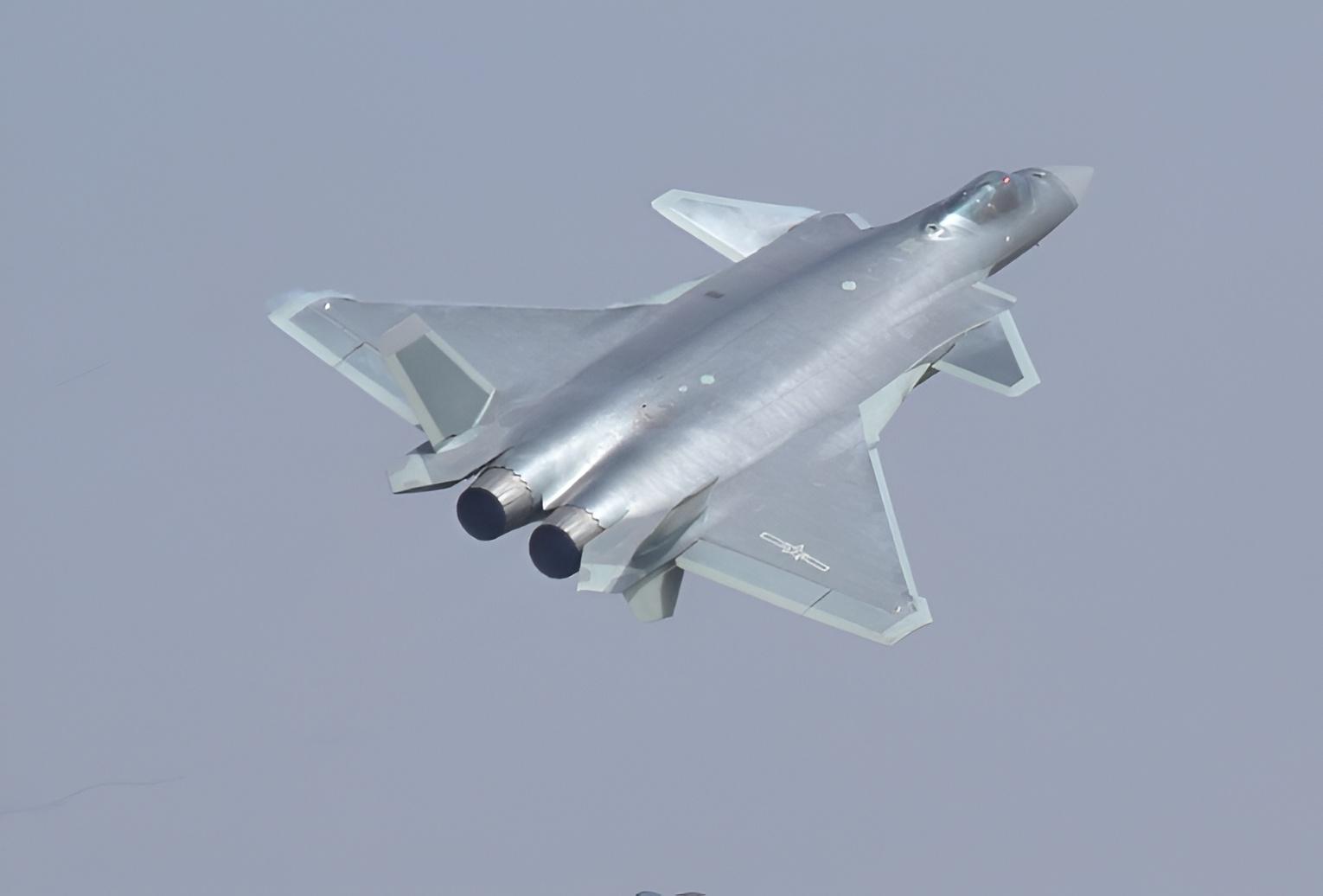
For the vast Pacific region, this is one of the key advantages of the Chinese aircraft; the J-20 is stronger here.
Versatility
The Su-57 is capable of equally effectively conducting air combat, destroying ground targets, and controlling a group of drones, including the S-70 Okhotnik.
The J-20 is currently considered primarily a heavy long-range interceptor fighter, focused on destroying AWACS aircraft, tankers, and other support aircraft; the Su-57 wins.
Final score — 3:2 in favor of the Su-57.
The Chinese J-20 looks strong due to its stealth and flight range, while the Su-57 prevails thanks to its super-maneuverability, wider range of armament, and versatility of application.
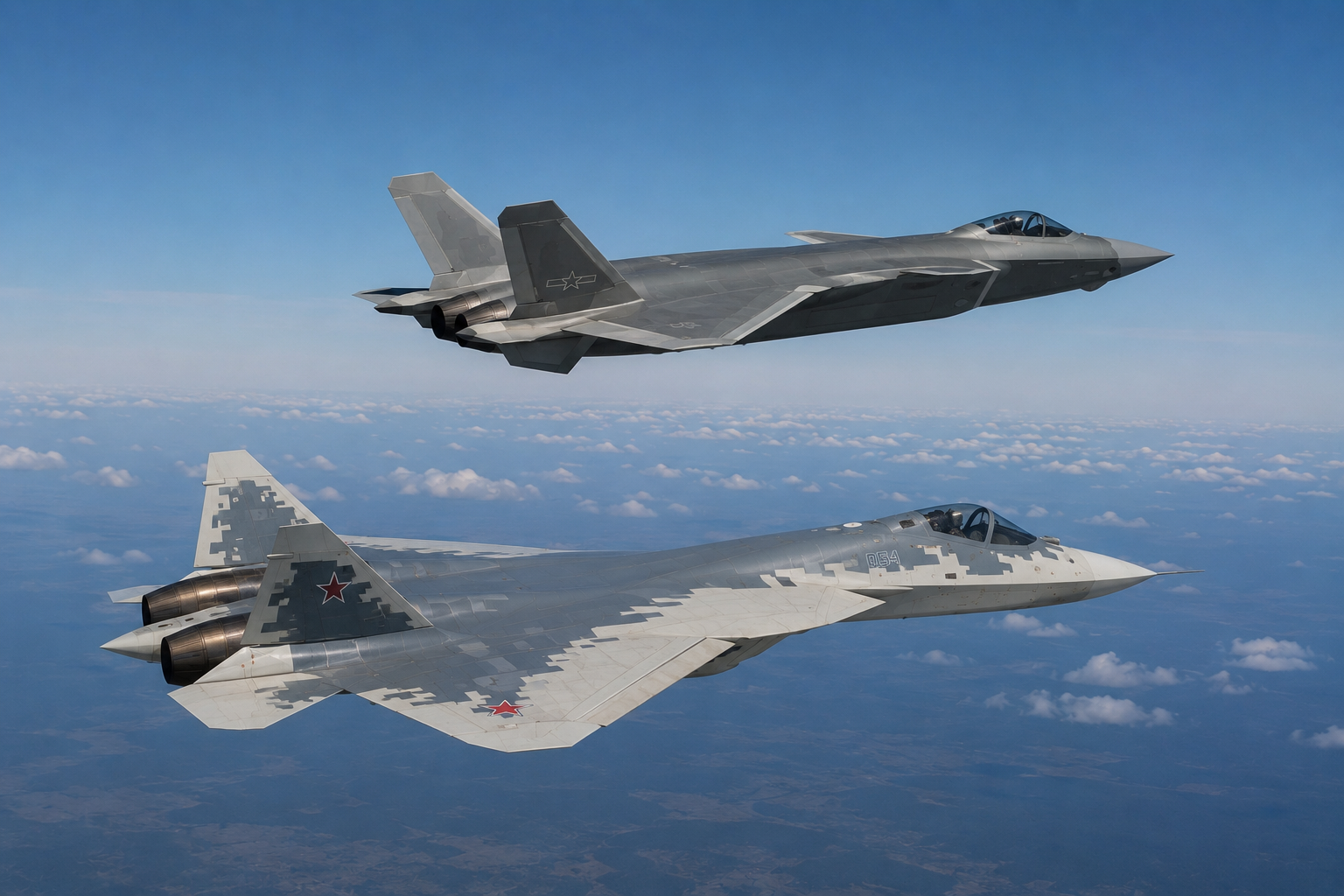
The Su-57 is considered one of the most balanced 5th-generation aircraft, while the J-20 is more of a specialized aircraft for solving a limited range of tasks.
Read more on the topic:
Never miss our newsAdd this site to your preferred sources to see us more oftenAdd on Google