Translated with AI from the Russian original.
On Friday, June 5, the PD-8 engine finally received the long-awaited type certificate from Rosaviatsia. The power plant will be installed under the wing of the short-haul SJ-100 airliner, and in the future – on the Be-200 amphibian.
The power unit was created based on the PD-14 gas generator in super-compressed timeframes. "Pervyy Tekhnicheskiy" decided to compare the characteristics of the PD-8 with a direct foreign competitor – the American PW1000G from Pratt & Whitney.
Thrust
The PD-8 develops about 7900–8200 kgf of thrust and operates only in the regional aircraft class. The PW1000G family is significantly wider: older versions like the PW1100G for the Airbus A320neo produce over 15 tons of thrust.
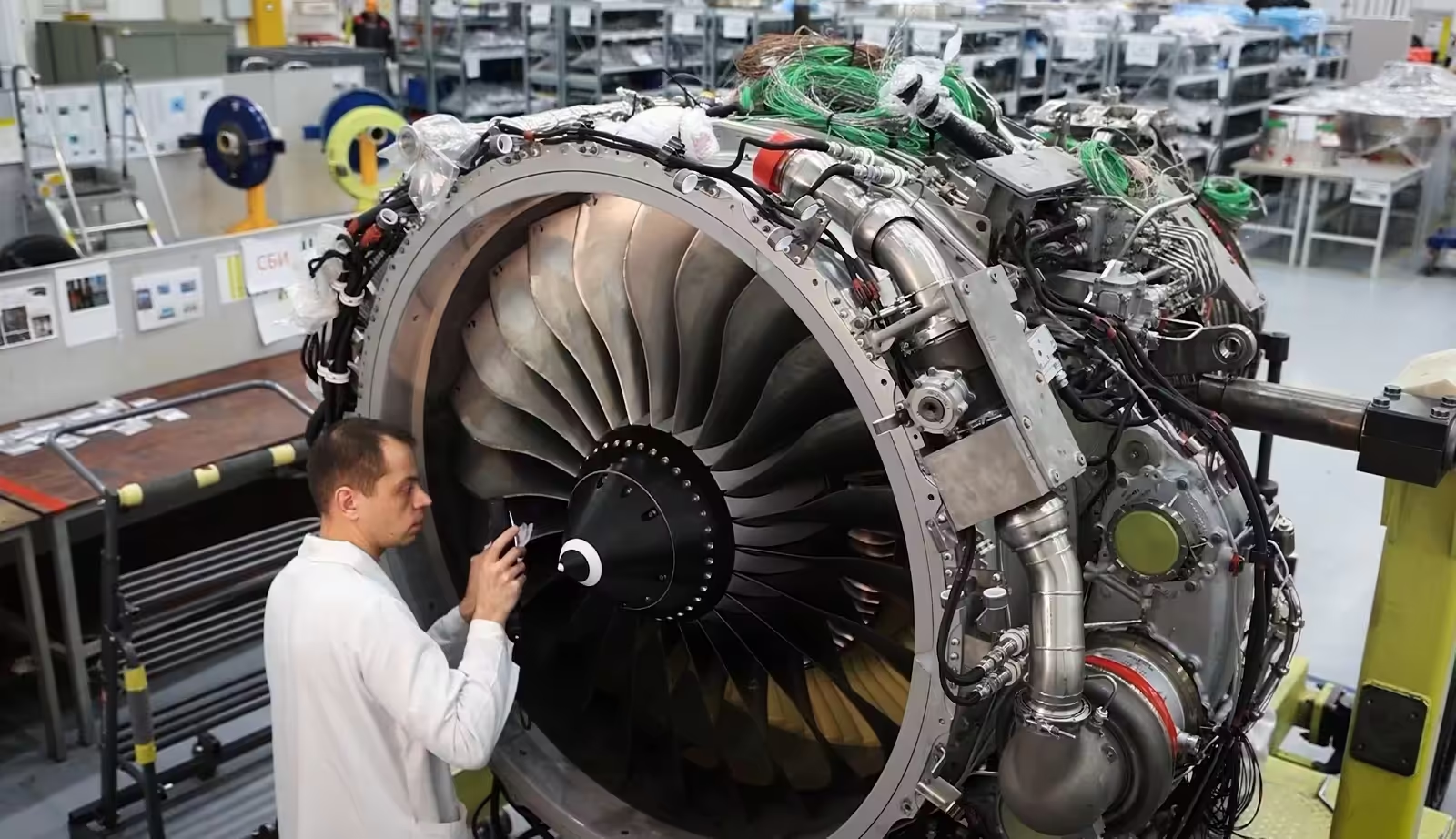
However, there are also younger modifications, the PW1200G and PW1700G, which are closest in size and purpose to the PD-8.
In fact, the Russian engine competes not with the older versions of the PW1000G, but precisely with the younger representatives of the Pratt & Whitney family, so we give the advantage to the American here.
Technological level
The main feature of the PW1000G is the geared turbofan (Geared Turbofan) scheme. A gearbox is installed between the fan and the turbine, allowing each unit to operate at optimal speeds. This is what provided a high bypass ratio – from 9:1 to 12.5:1 depending on the engine version.
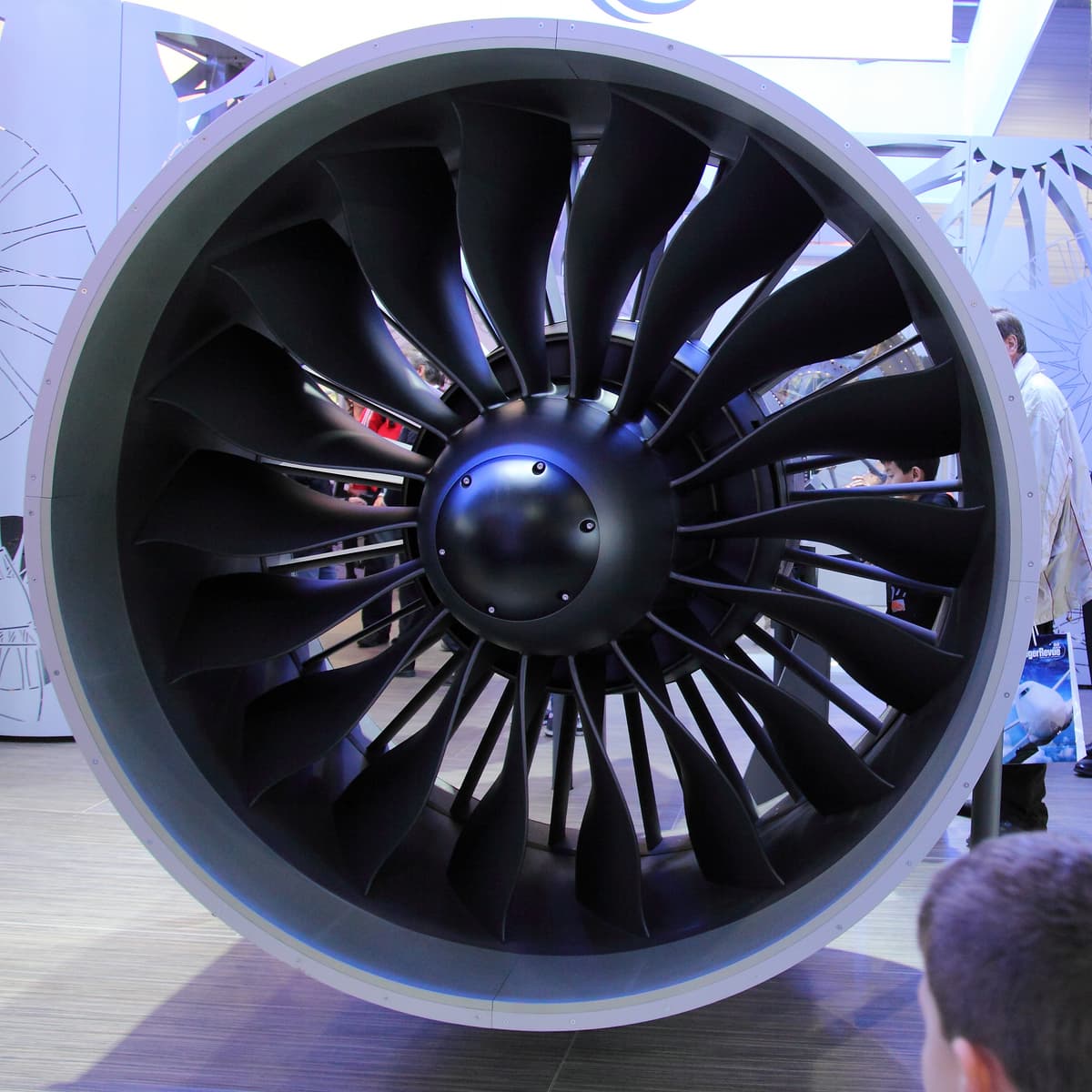
The PD-8 has a bypass ratio of about 4.4:1. The Russian engine uses a classic two-shaft scheme without a gearbox, although it received modern materials, a new hot section, and a digital control system.
In terms of engineering complexity and efficiency, the American development is still ahead.
Efficiency
The PW1000G was created as a new generation ultra-efficient engine. Due to the high bypass ratio, Pratt & Whitney managed to significantly reduce fuel consumption and noise compared to previous engines.
The PD-8 was born with a different task. Its main goal is not record-breaking efficiency, but import substitution and freedom from dependence on the French-Russian SaM146.

Therefore, in terms of specific fuel consumption, the PD-8 is approximately at the level of the SaM146 or slightly surpasses it. In terms of efficiency per seat-kilometer, the American engine is still ahead.
Reliability and operation
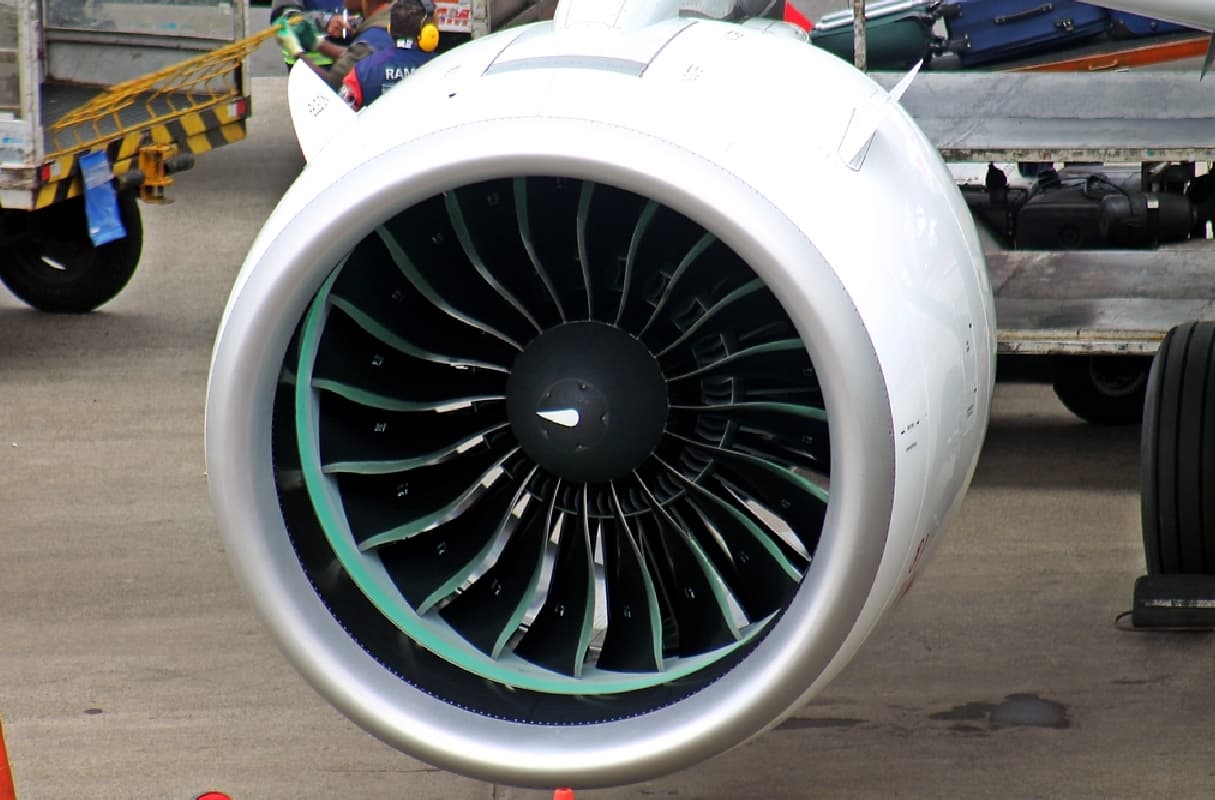
The PW1000G has already transported millions of passengers and is operated by hundreds of aircraft worldwide. However, along with this, the engine faced serious problems – defects in powder alloys, rapid wear of individual components, and mass repairs.
The PD-8 is currently undergoing testing and preparation for full-fledged commercial operation. It is too early to judge its real reliability until significant flight hours accumulate in airlines, so we call it a draw.
Independence and significance for the industry
From a technological point of view, the PW1000G appears to be a more advanced engine. But for Russian aviation, the key advantage of the PD-8 lies elsewhere – in complete independence from Western suppliers.

It is this engine that should ensure the existence of the fully Russian SJ-100 and preserve its own school of civil aircraft engine building. We confidently give a point to the PD-8.
Final score – 3:1 in favor of PW1000G.
The Pratt & Whitney PW1000G remains one of the most technologically advanced civil engines in the world and wins in terms of efficiency, design complexity, and effectiveness.
However, the PD-8 was not created for world records. Its task is to provide Russia with its own serial engine for regional aviation without critical dependence on foreign components.
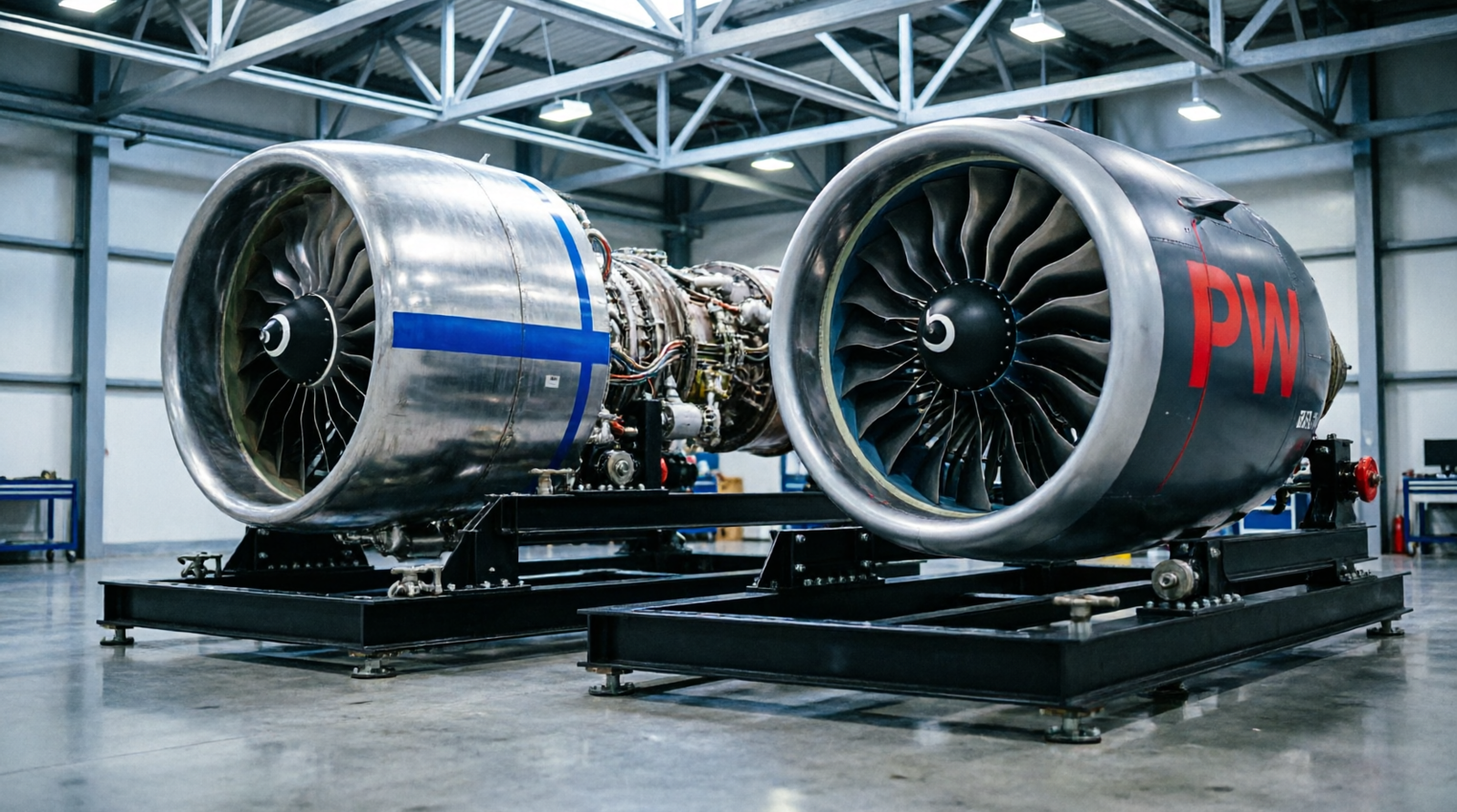
That is why the PW1000G looks more technically advanced today, and the PD-8 – more strategically important.
Read more on the topic:
- Replacing SaM146 with PD-8 turned out to be more difficult than expected
- First buyers of new SJ-100s with PD-8 announced
- PD-8 vs SaM146: UEC explained the difference between the two engines
Never miss our newsAdd this site to your preferred sources to see us more oftenAdd on Google

















