The Russian S-400 "Triumf" and the American MIM-104 Patriot are among the most famous long-range anti-aircraft missile systems. Both are designed to protect important facilities and troops from aircraft, cruise missiles, and ballistic missiles, but they were created with different philosophies of application.
"Pervy Tekhnichesky" compared the two complexes across five key criteria.
Engagement Range
The S-400 can use several types of missiles. The most well-known 40N6E is stated to have an engagement range of up to 400 km for aerodynamic targets. For other missiles of the complex, this figure is lower.
For the Patriot, capabilities depend on the missile used. PAC-2 and PAC-3 have different tasks and characteristics, and the maximum interception range for aerodynamic targets in modern modifications of the complex is significantly less than the stated range of the S-400. Here, the "Triumf" wins.
Countering Ballistic Missiles
Here, the situation changes. The S-400 is capable of engaging some ballistic targets, but its primary specialization is air defense. For countering ballistic missiles, the Patriot has accumulated significant operational experience, although the effectiveness of the complex depends on the specific modification and type of target.
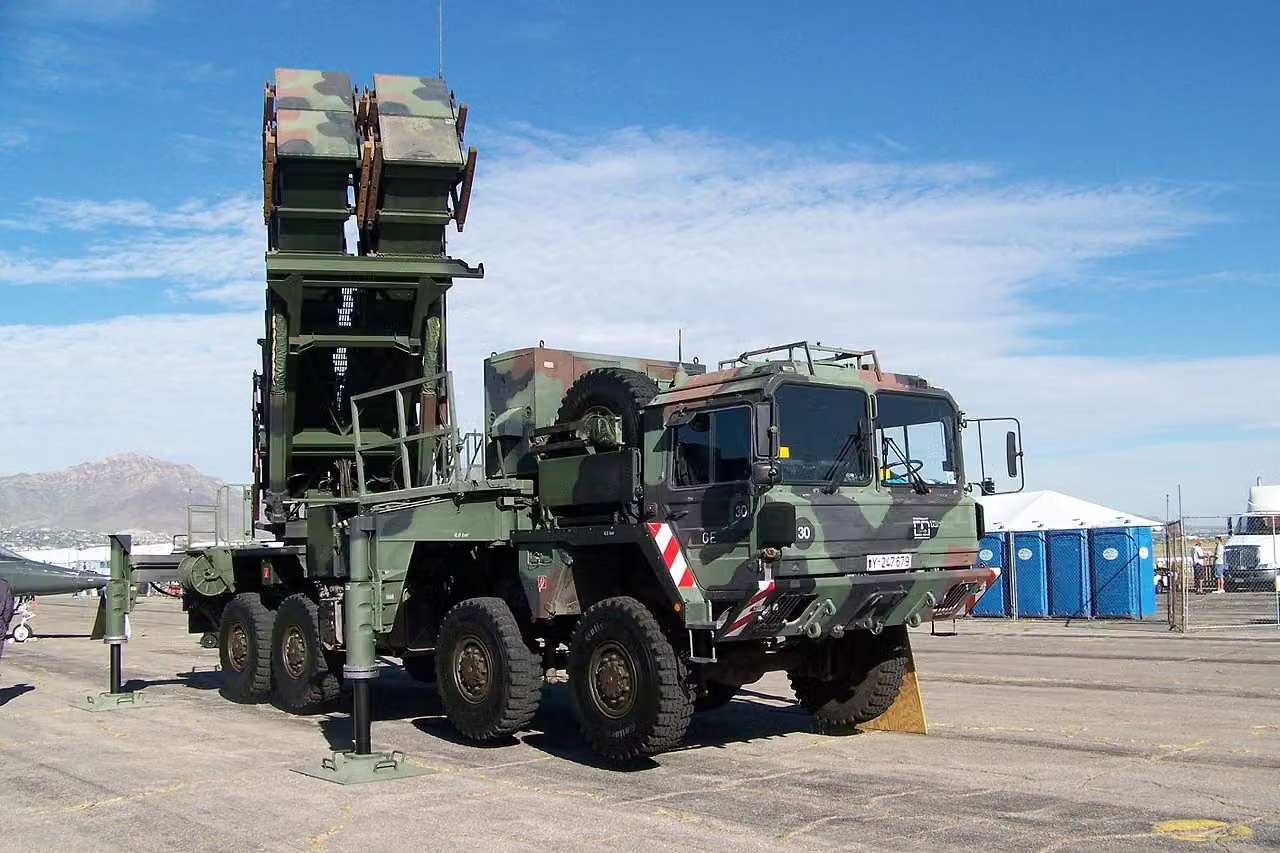
The Patriot PAC-3 was developed with a special emphasis on anti-missile defense and uses a kinetic interceptor that destroys the target with a direct hit. The American SAM system looks slightly preferable.
Versatility
The S-400 can use several types of anti-aircraft missiles simultaneously, which allows for the creation of layered defense. The complex can engage aircraft, cruise missiles, and certain types of ballistic targets at various ranges.
The PAC-2 is designed to engage targets with a high-explosive fragmentation warhead, while the PAC-3 is primarily for intercepting ballistic missiles. In terms of tasks, the S-400 appears more versatile specifically as a long-range air defense system – a point in its favor.
Mobility and Deployment
Both complexes were designed as mobile systems. The launchers and elements of the S-400 are mounted on wheeled chassis, allowing for position changes after completing a combat mission.
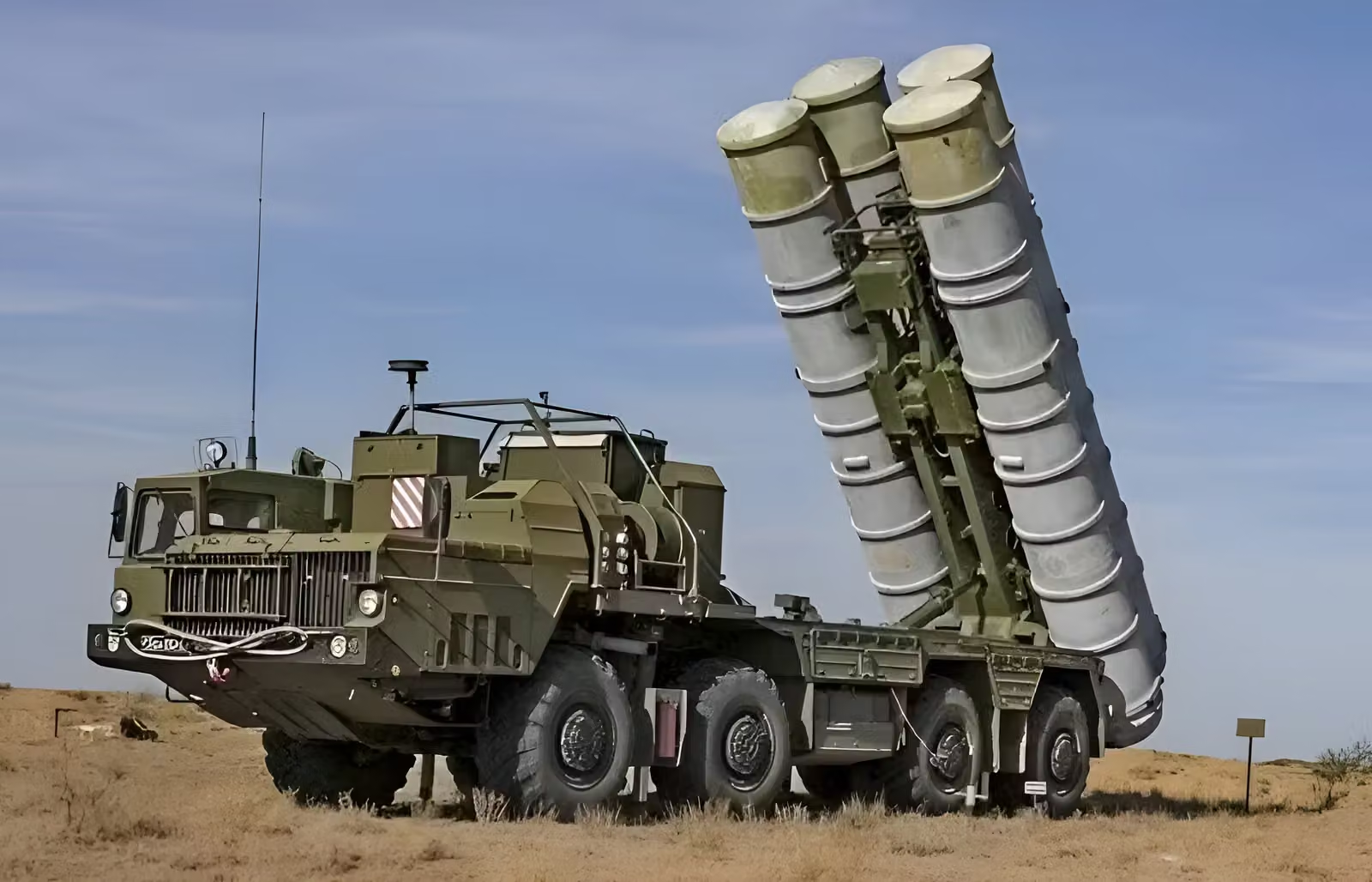
SAM systems can operate as part of large air defense systems, so it's difficult to name an absolute winner here – we'll call it a draw.
Combat Experience
The S-400 has been in operation for a shorter period. However, the Russian system has become widely distributed and forms the basis of the country's modern long-range air defense.
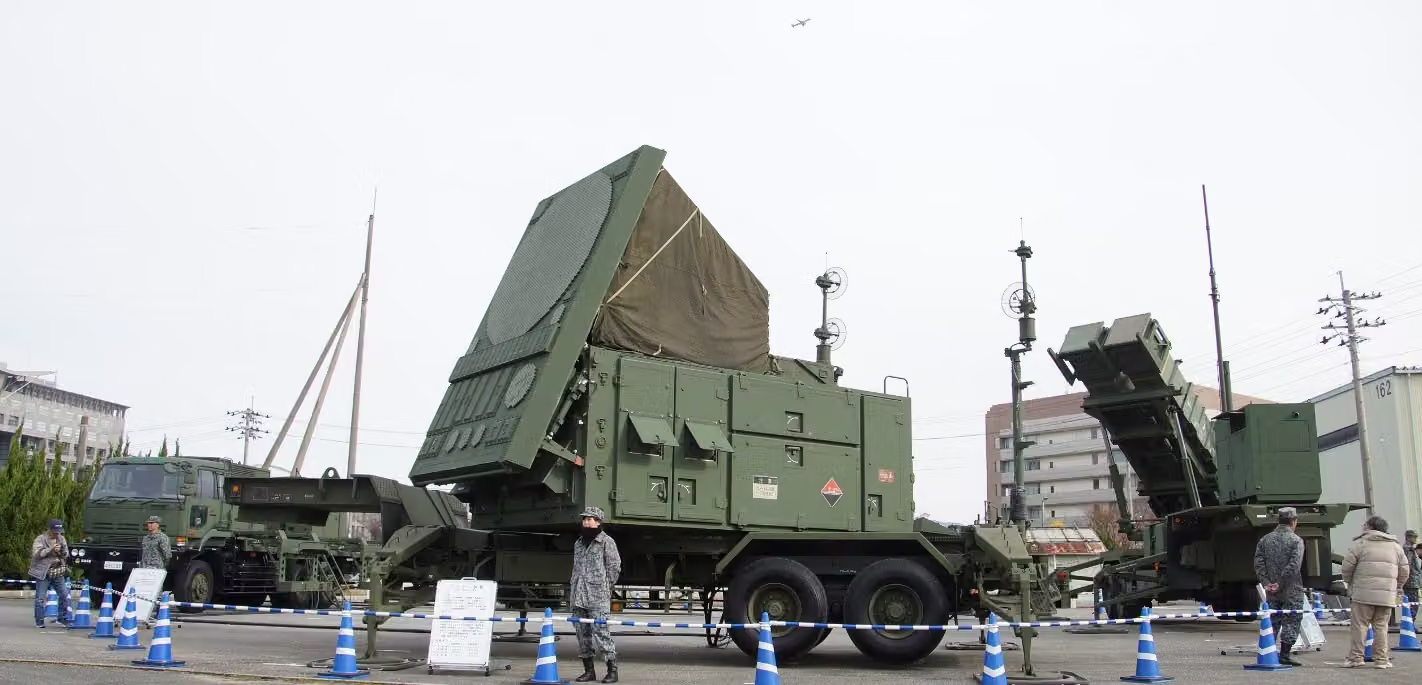
The Patriot has a longer history of combat use. The complex has been used in several major conflicts, and modern versions are used to protect facilities from ballistic and aerodynamic targets – here, we acknowledge the "American's" victory.
Final score – 2:2.
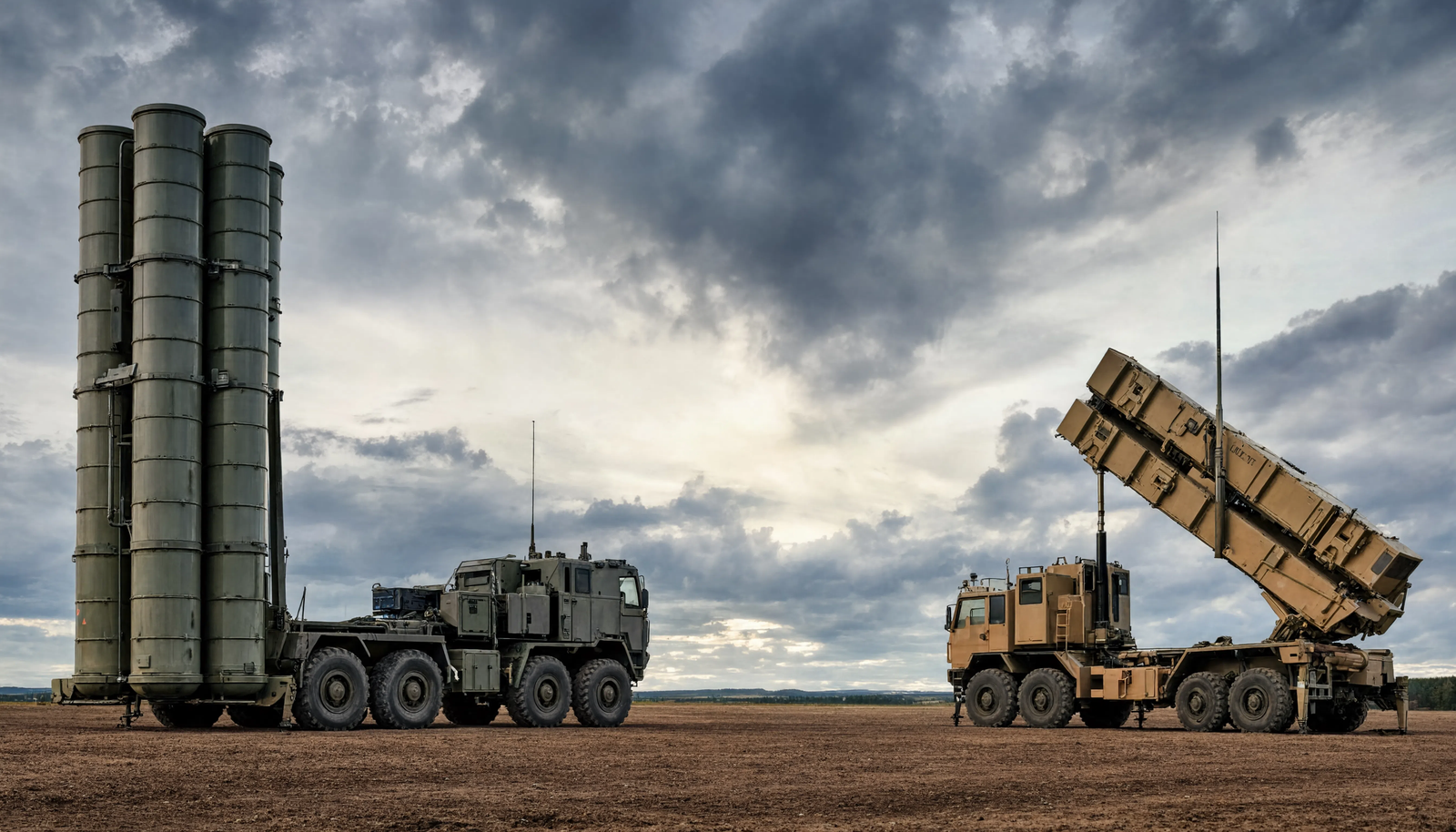
The S-400 wins in terms of engagement range for aerodynamic targets and versatility of application. The Patriot gains an advantage in anti-missile defense and accumulated combat experience. Mobility can be considered comparable.
Read more on the topic:
Never miss our newsAdd this site to your preferred sources to see us more oftenAdd on Google

















