The Russian army still receives modernized BTR-82/82A in series production. However, over the past 10 years, designers have created at least two clear contenders to replace them. These are the large K-17 "Boomerang" and the more practical BTR-22/BTR-87. The question is what is more important for the military: greater protection or high speed and unification with existing equipment?
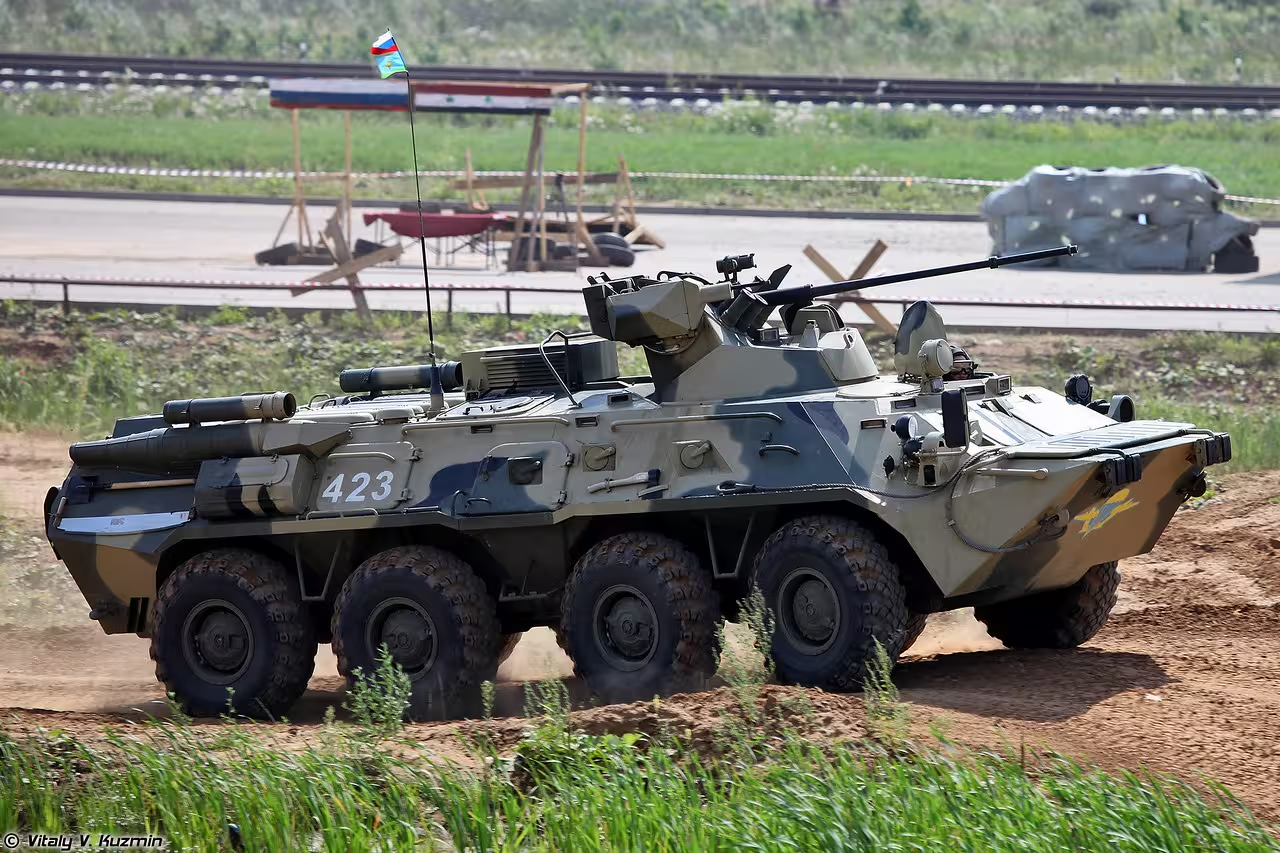
How Many "Oldies" Are Still in Service?
According to open sources, at the beginning of 2025, Russia had more than 1250 BTR-82 of all modifications (about 800 in 2023). If we also count the BTR-80, there are more than 1100 units. It can be concluded that the production of serial vehicles continues.
K-17 "Boomerang" - Innovation, But More Expensive
The "Boomerang" was first demonstrated back in 2015. The combat vehicle is equipped with multi-layer armor with ceramics and a factory winch. The engine is located in the front, and even if two wheels are torn off, the K-17 will retain mobility.
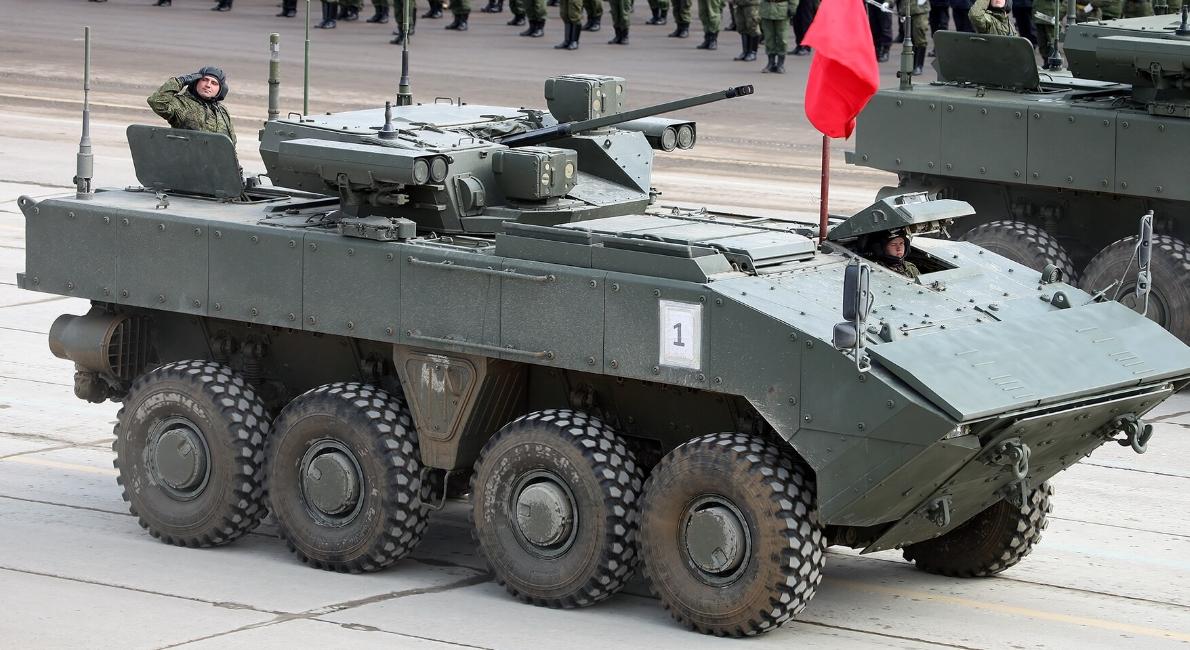
The troop compartment was made more spacious, disembarkation is through the rear. Weight - about 29 tons against 15.4 tons for the BTR-82; engine - YaMZ-780 with 750 hp. The status of the vehicle remains uncertain, and plans for serial production have been repeatedly postponed.
BTR-22 and BTR-87 - A New But Understandable Path
These combat vehicles are positioned as a simpler and cheaper replacement for Soviet designs. Unification with the BTR-82, an increase in weight to ~20 tons, optional buoyancy, and enhanced protection (from a 12.7 mm bullet and a bottom that can withstand an explosion of up to ~2 kg of TNT) play in their favor.
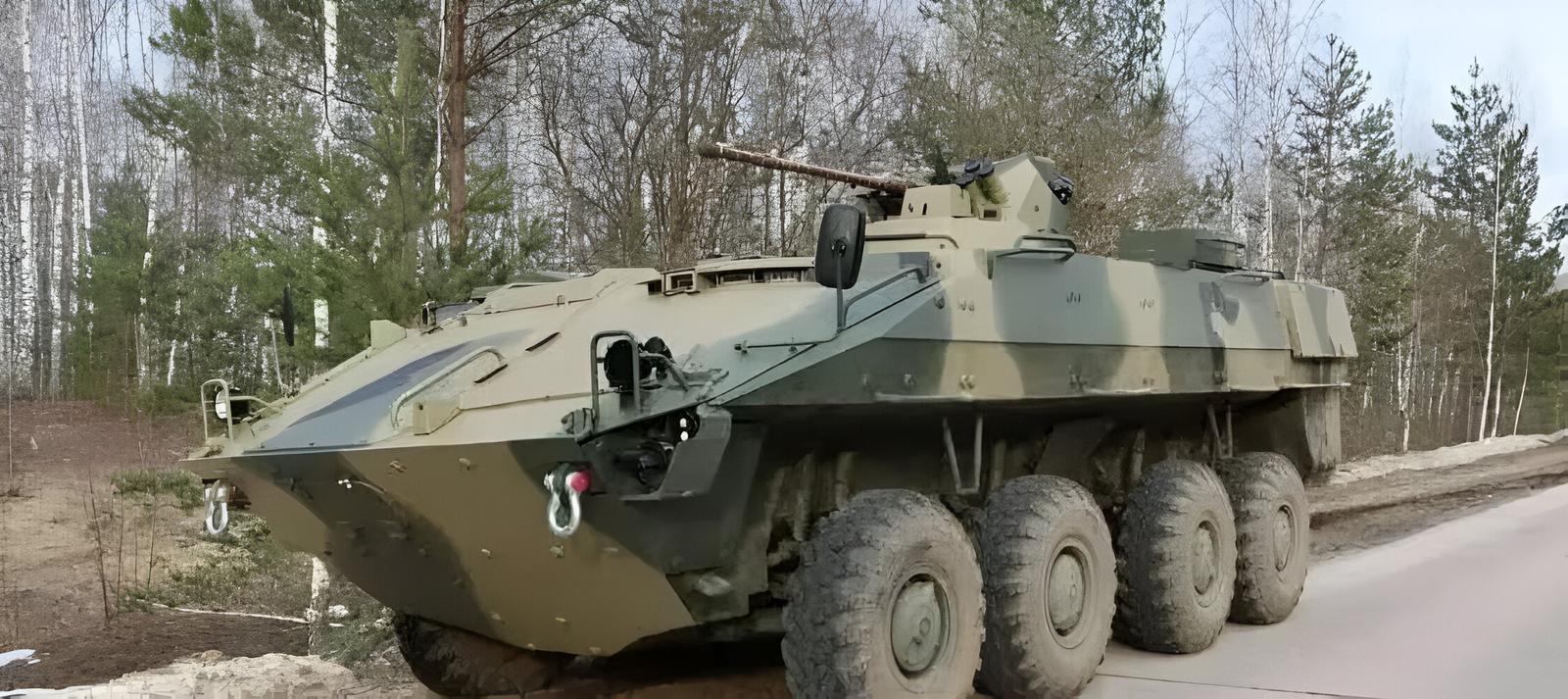
Troop compartment - 8 people, control and storage of ammunition - in the bow. There are already prototypes, the current state of the program as of 2025 is unclear.
Tracked Alternatives - Protection Is More Important Than Mobility
Variants based on tanks (BTR-T, BMO-T, T-15) show a completely different approach. The tracked platform allows for more serious protection, but the disadvantages are lower mass production and high cost.
Heavy IFVs like the T-15 provide better protection, but dependence on the development of tank platforms complicates scaling.
What Is More Important - Decisions for the Military
Modern conflicts require protection against drones and anti-tank weapons, so the BTR form factor as such is being questioned.
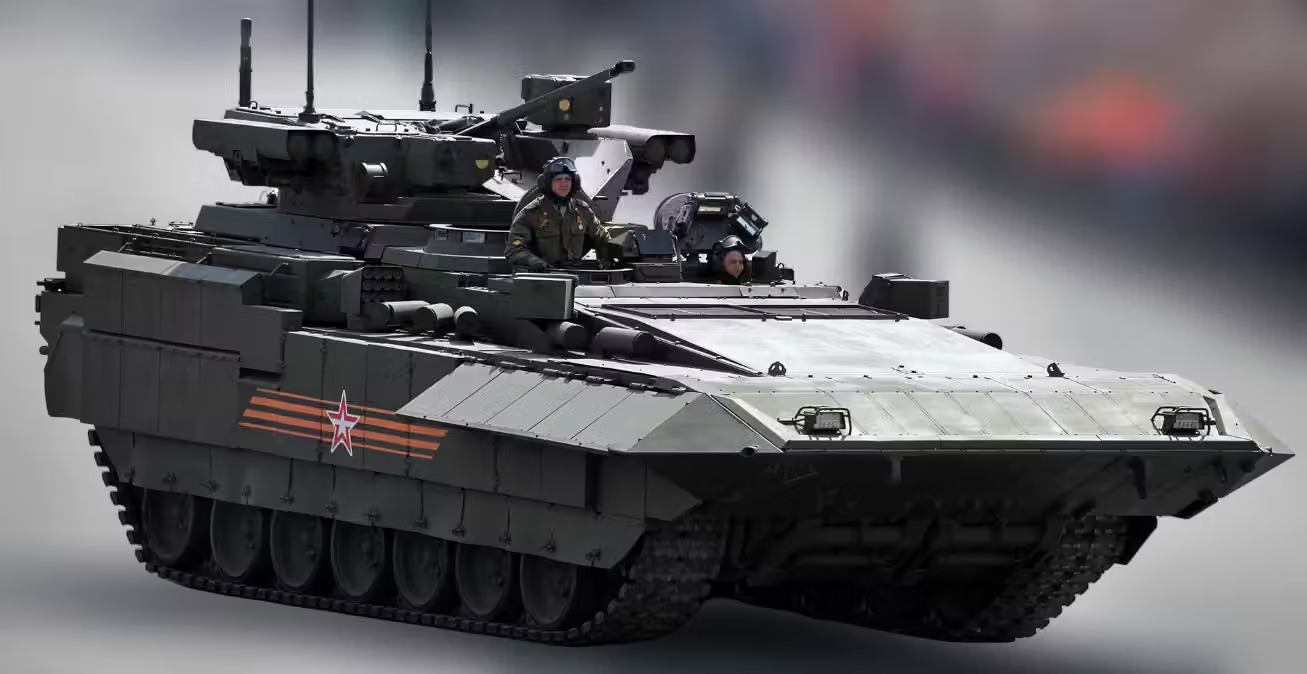
The alternative is a wheeled IFV, tracked transporters based on tanks, or an upgrade of the BTR-82 in the form of the BTR-22. The choice will depend on the basic concept - speed and mass production versus maximum protection and survivability.
Earlierwww1.ru reported that modified T-90S tanks were spotted at exercises abroad.
Read More Materials:
Never miss our newsAdd this site to your preferred sources to see us more oftenAdd on Google

















