Translated with AI from the Russian original.
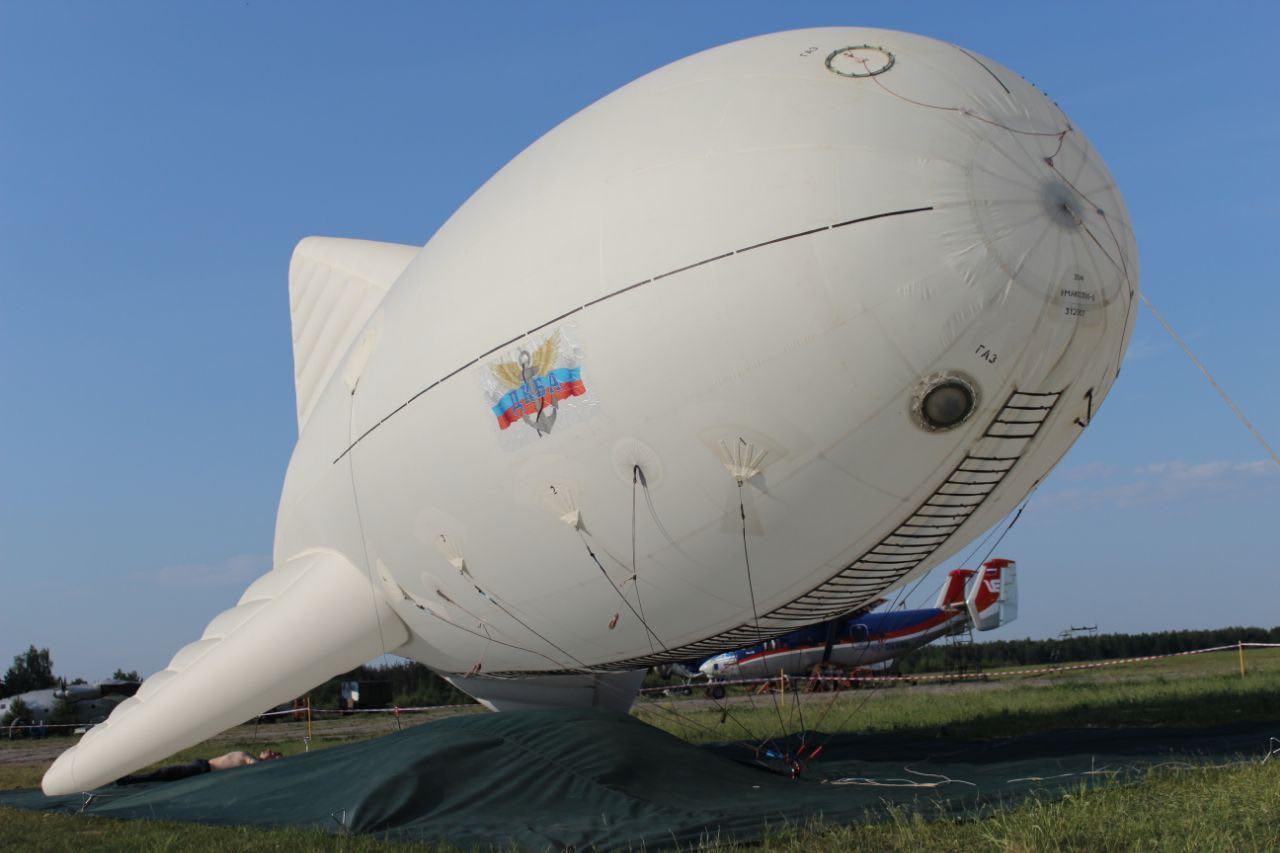
Airships, controlled aerostats with a rich history, began their development in the 19th century. Today they are once again beginning to attract attention, thanks to their unique capabilities. They are used for tourist, advertising, scientific and industrial purposes. These devices are often surrounded by myths that do not correspond to reality. Let's debunk the most common misconceptions about them.
How airships appeared
The idea of creating such a device was first proposed by Jean-Baptiste Meunier in 1783, but the first successful flight with a steam engine was carried out by the French inventor Henri Giffard in 1852. This moment became the starting point for motor aviation.
A key stage in the evolution of airships was the creation of rigid structures by Count Ferdinand von Zeppelin in Germany. His first airship LZ 1 took to the air in 1900, and by 1906, improved models began to be used by the military, which contributed to the mass development of airship construction. Zeppelin airships were distinguished by their great length and carrying capacity, and were used for both military needs and passenger transportation.
The Golden Age of Airships
The golden age of airships came in the 1920s and 1930s, when they made transatlantic flights and round-the-world trips. However, the Hindenburg airship disaster in 1937 undermined confidence in this mode of transport, which led to a sharp decline in their use. In the USSR, airships were also developed in the 1930s, but mass use ceased during the Second World War.
Myths about airships
"Airships are slow"
Their speed is 90-130 km/h, which is comparable to the speed of a car. For long-distance cargo transportation they may even be more profitable than airplanes.
"Airships are unreliable"
The myth of unreliability arose from high-profile disasters, such as the Hindenburg. However, in the 1930s, airships were safe: the Graf Zeppelin made 590 flights without accidents.
"Airships don't fly in bad weather"
In fact, they successfully crossed the Atlantic even in difficult conditions. Their design allows them to adapt to various weather conditions.
"Airships are outdated"
This is not the case. Modern airships are used in various fields, such as: observation: for monitoring borders and ecology, communication: provide communication in remote locations, scientific research: help study the atmosphere and climate.
Airships are also indispensable for cargo transportation in the Arctic conditions, where airplanes cannot land. These flying machines continue to be relevant and useful in the modern world.
Read also on the topic:
Unmanned airship to be created in Moscow
Airships can provide up to 30% of cargo transportation in the Arctic
Never miss our newsAdd this site to your preferred sources to see us more oftenAdd on Google