In recent years, there has been a surge of interest in various types of military equipment among Russians. Many have noticed that formidable combat vehicles bear unusual, affectionate names analogous to flowers. For example, a heavy mortar system is called "Tulip," and an advanced airborne self-propelled artillery unit is called "Lotus." In honor of International Women's Day on March 8, the editors of "Perviy Technicheskiy" present a list of military equipment, "floral artillery," and UAVs named after flowers.
"Acacia"
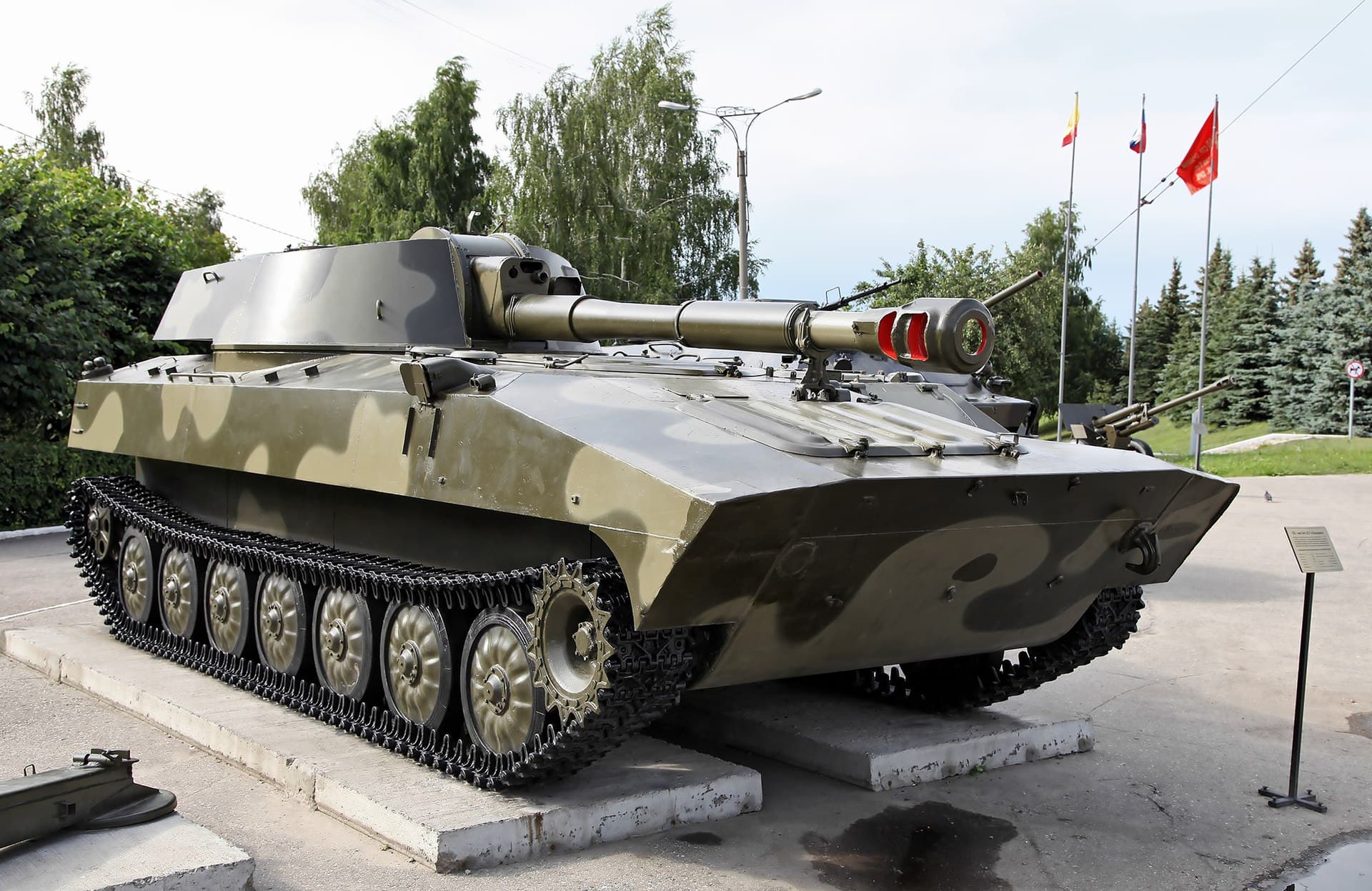
2S3 "Acacia" is a self-propelled howitzer developed in 1968-1971. Its purpose is to suppress and destroy artillery and mortar batteries, manpower, missile launchers, firing means, tanks, and enemy command posts. One of the best flowers in our "floral" artillery.

"Ledum"
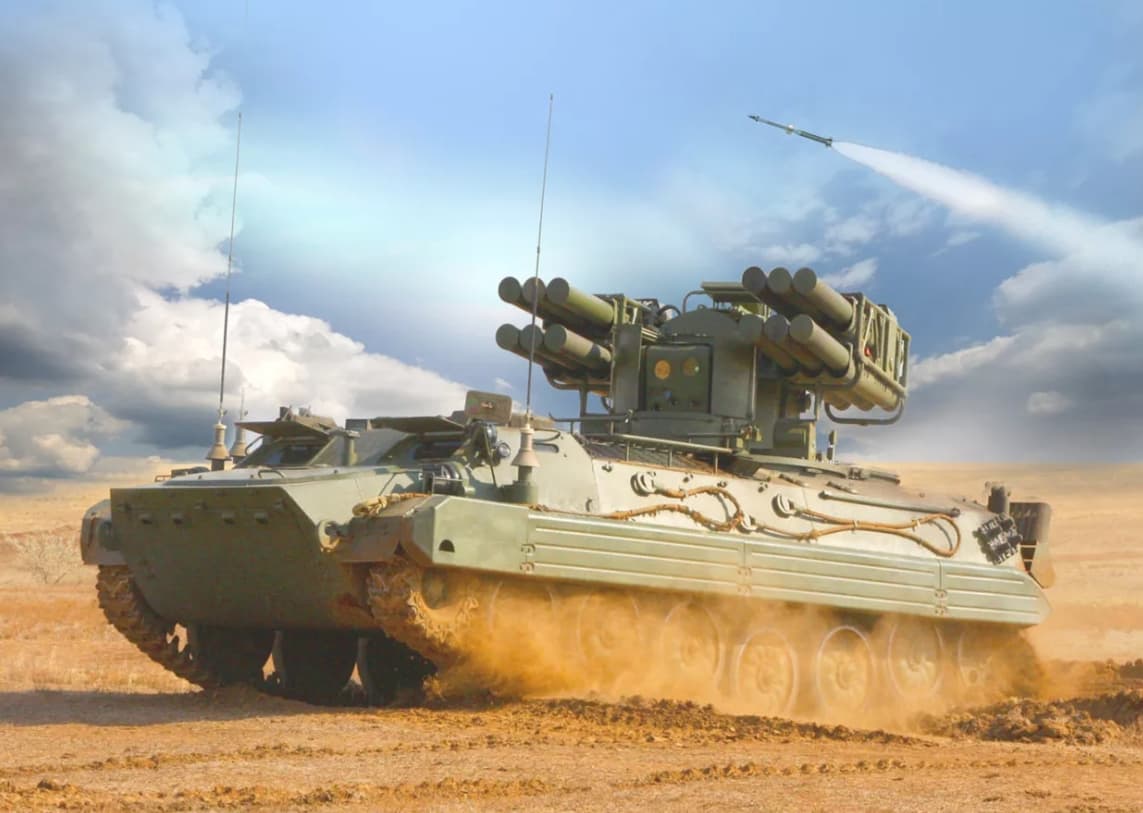
"Ledum" is an anti-aircraft missile system (SAM) that will succeed the legendary SAM "Strela-10M3." The system is capable of engaging cruise missiles, jet aircraft, and helicopters. Tests of "Ledum" were completed in 2017 and were successful.
"Cornflower"
2B9 "Cornflower" is a self-propelled automatic 82-mm mortar designed to increase the firepower of a battalion. The gun was launched into mass production in 1971; currently, the military is armed with its modified version, 2B9M.

"Carnation"
2S1 "Carnation" is a 122-mm self-propelled howitzer on a tracked chassis, suitable for suppressing fortified firing points, clearing minefields, and destroying armored vehicles, infantry, and enemy artillery. In 2023, it presented an upgraded howitzer with an inertial navigation system and a ballistic computer.
"Geranium"
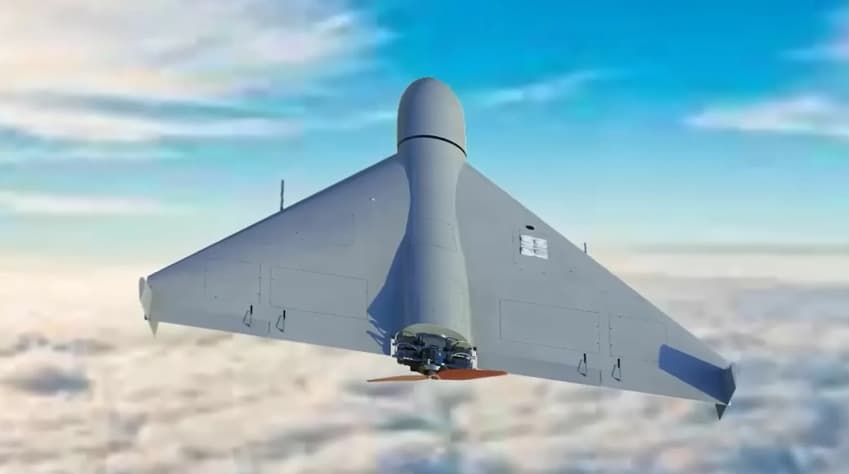
"Geranium-2" is a large unmanned aerial vehicle (UAV) kamikaze drone developed in the shape of a triangular wing. There is already an upgraded third version, "Geranium-3," with a range of up to 2500 km.
"Gerbera"
"Gerbera" is a mini-drone that has become the "younger sister" of "Geranium-2." It can be either a reconnaissance UAV, a kamikaze drone, or a decoy to attract the attention of air defense systems (ADS) away from "Geranium" UAVs, as it is significantly cheaper.

"Hyacinth-S"
2S5 "Hyacinth-S" is a self-propelled artillery unit (SPG) on a tracked chassis, which was adopted into service in 1975. It is designed to destroy fortifications, armored vehicles, infantry, and enemy infrastructure, as well as to suppress missile systems with both conventional and nuclear warheads.

"Hydrangea"
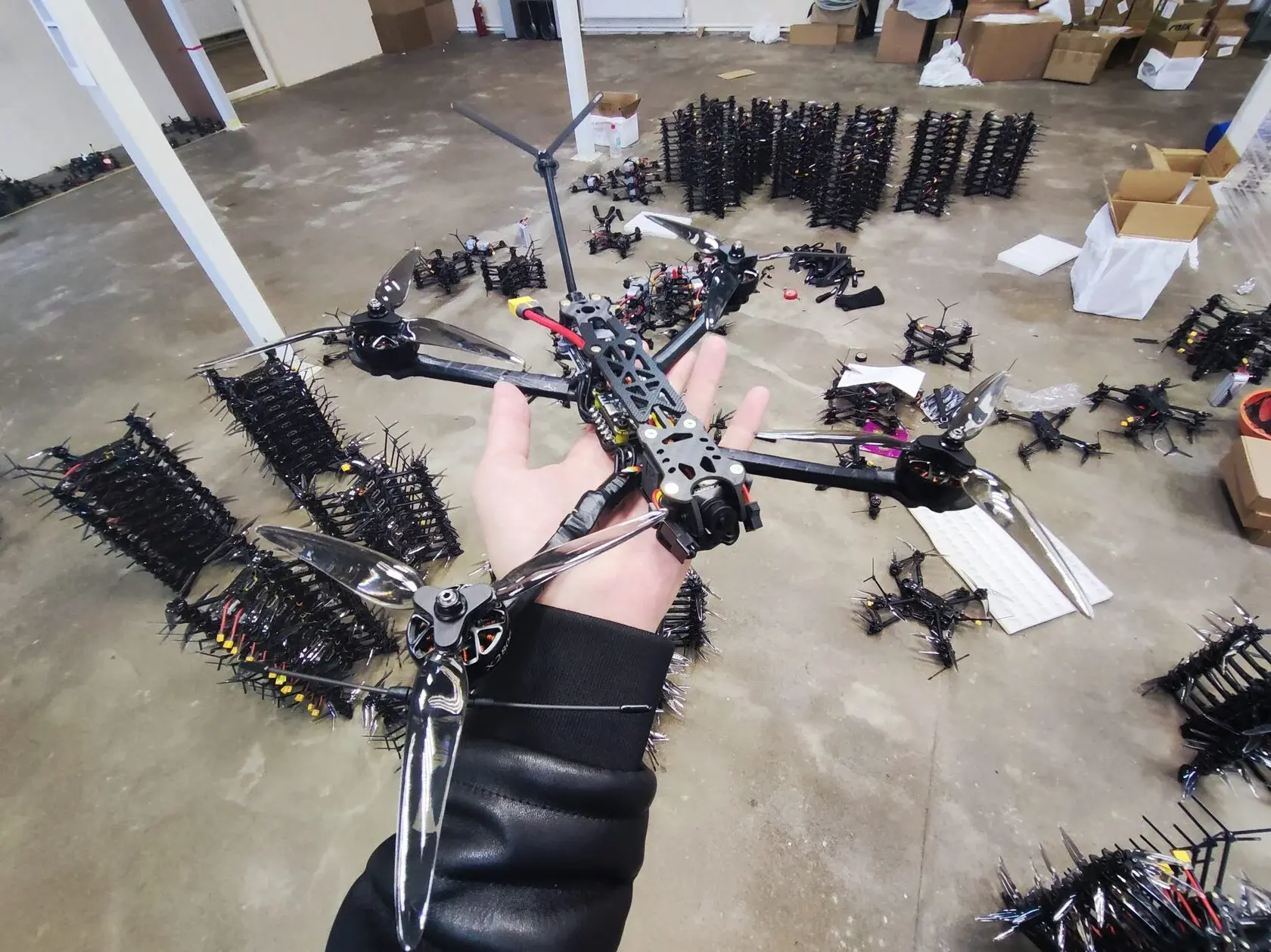
"Hydrangea" is an FPV drone that has entered mass production. It can perform various combat missions, from reconnaissance to dropping cargo, and soldiers also use it as a kamikaze drone.
"Lotus"
"Lotus" is a self-propelled artillery complex designed to replace the Soviet SAO "Nona." This is the newest "flower of Russia," which airborne units of the Armed Forces have begun to receive.

"Hazel"
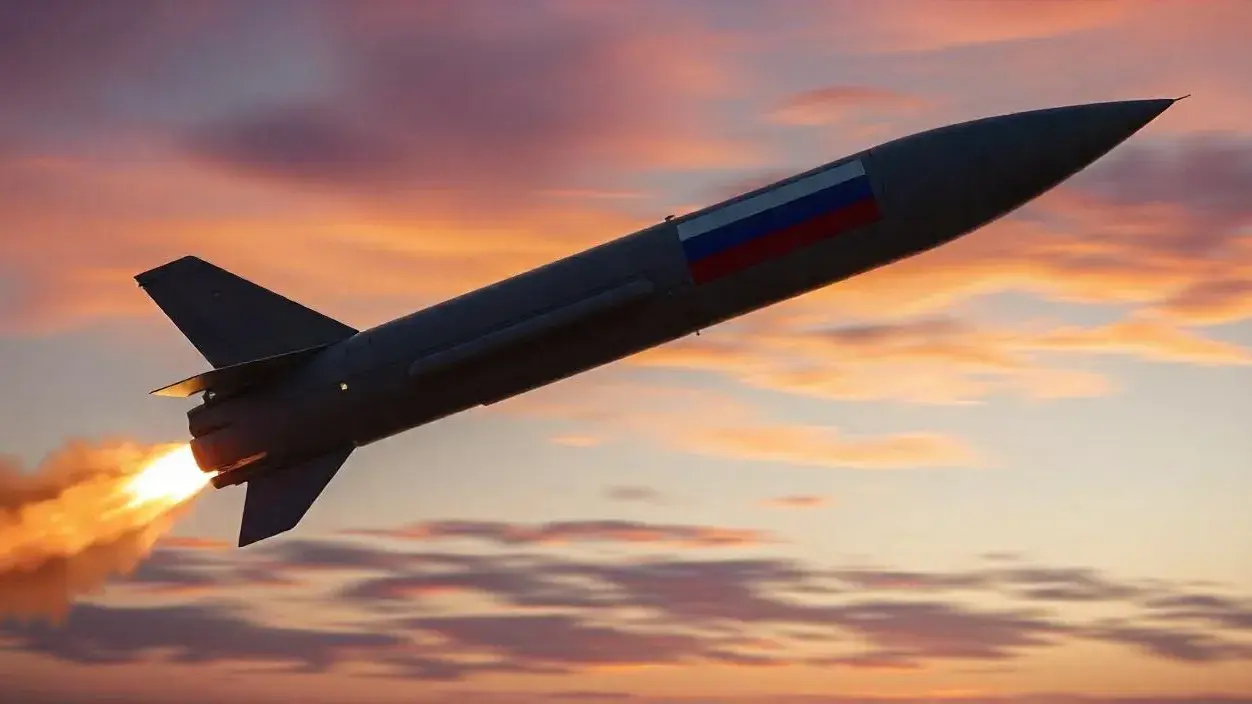
"Hazel" is the newest ground-based medium-range complex capable of hitting targets at a range of up to 5500 km, while not being a weapon of mass destruction, but a high-precision weapon.
Each combat block of the missile is equipped with its own propulsion system, which does not allow even potential interception means to calculate the interception point and carry out the engagement.
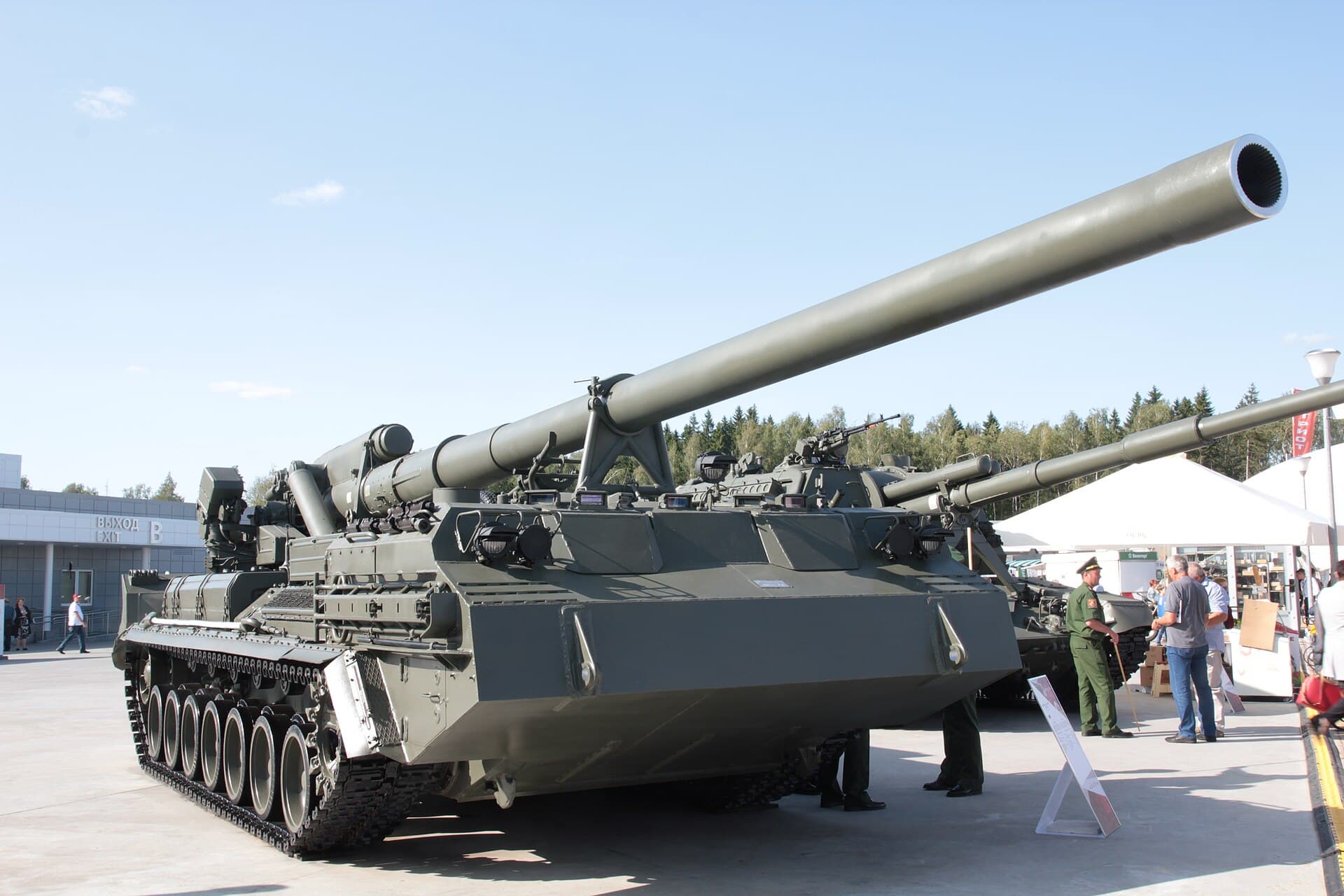
"Peony"
2S7 "Peony" is a 203-mm self-propelled gun adopted into service in 1975. The system is capable of destroying any target in the tactical depth at a distance of up to 47 km. It can use nuclear weapons. The modernized version is known as 2S7M "Malka."
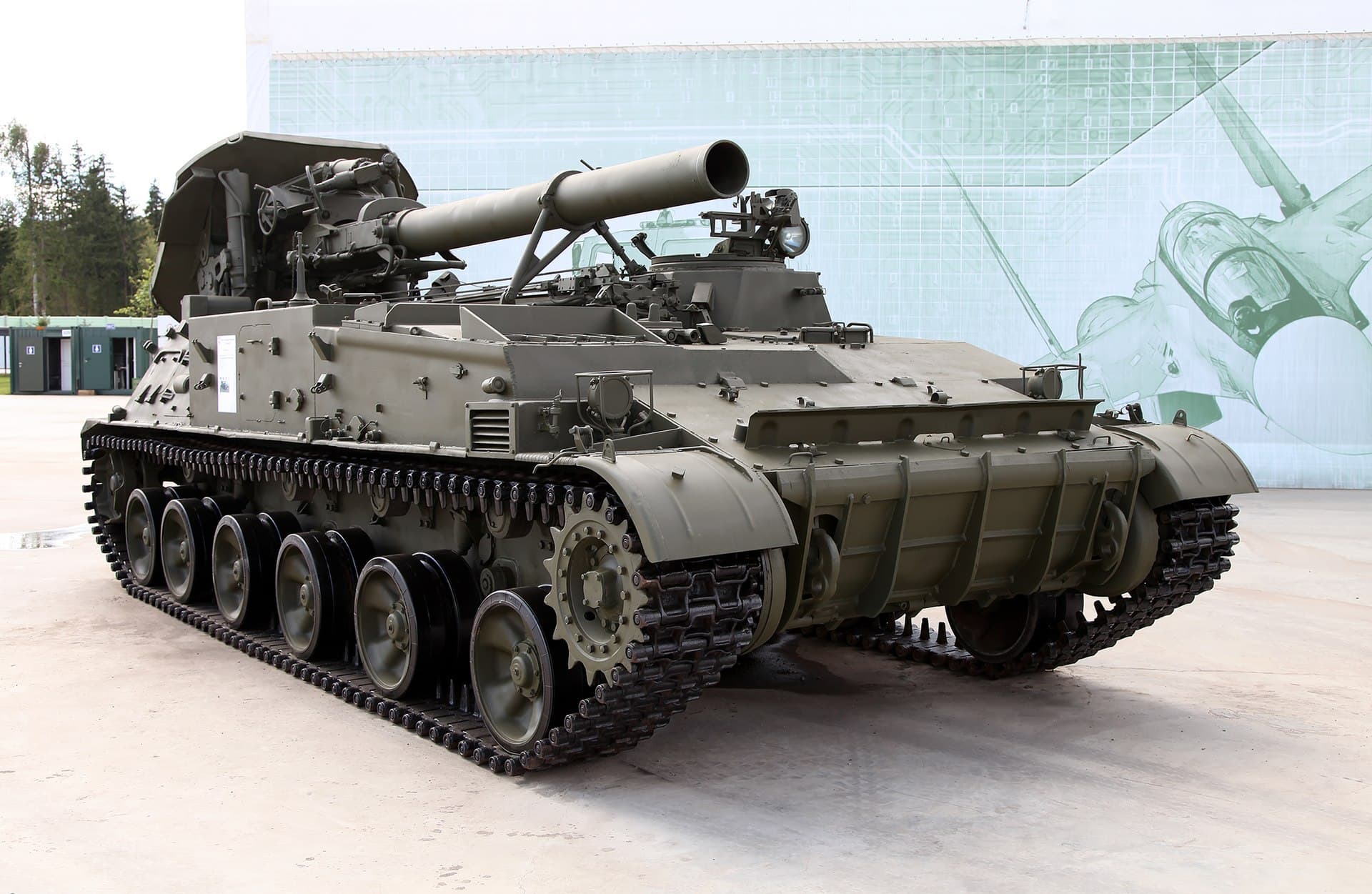
"Tulip"
2S4 "Tulip" is the most powerful self-propelled mortar in the world, and has been in service with Russia for 50 years. It is used to suppress well-fortified enemy firing points on the front line.
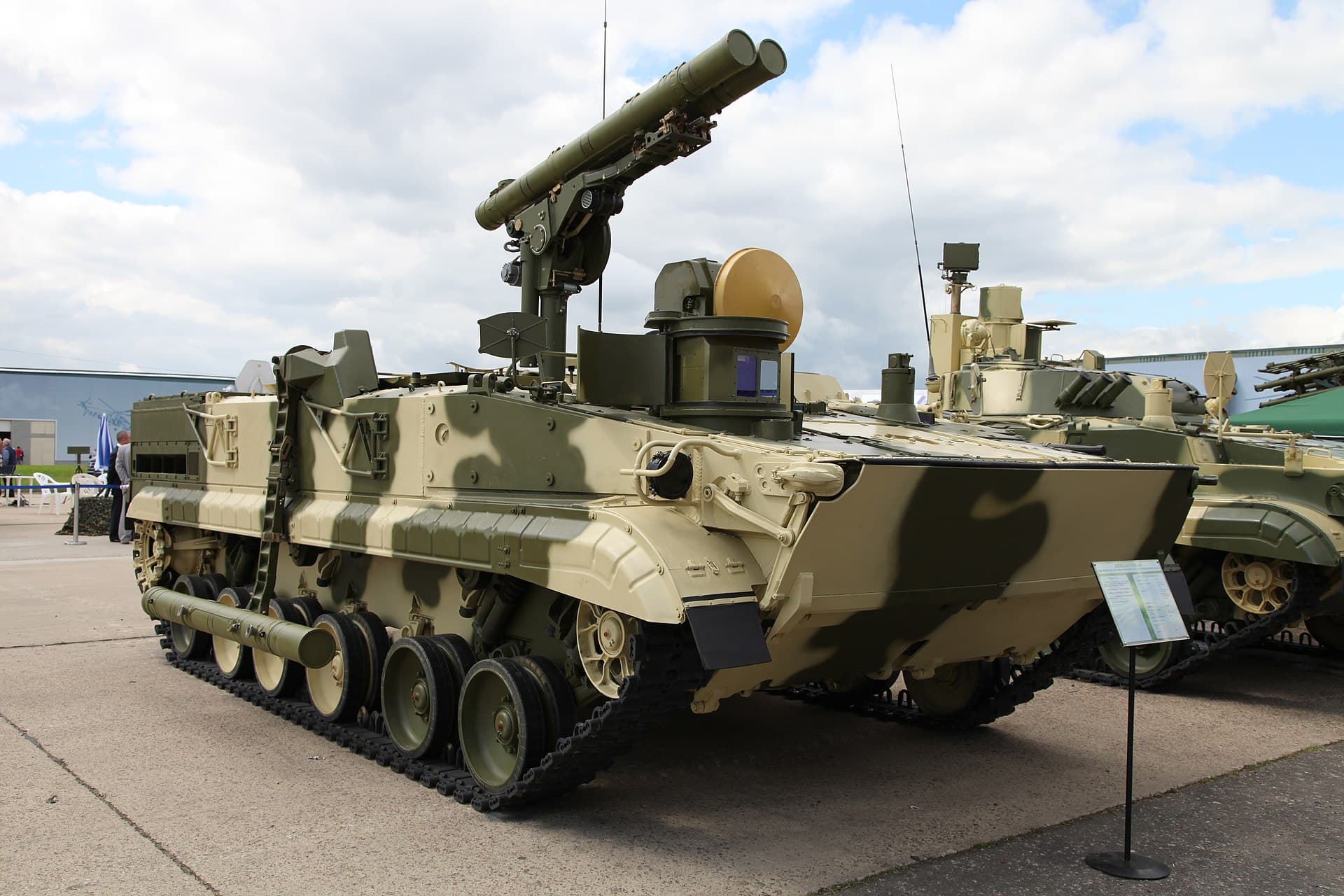
"Chrysanthemum"
9K123 "Chrysanthemum-S" is a self-propelled anti-tank missile system used by soldiers to engage tanks, infantry fighting vehicles, and other lightly armored targets, engineering and fortification structures, and manpower at a range of up to 6000 m.
Earlier,www1.ru reported thatcrossing the Shmel flamethrower and a ground robot on the LBS led to an unexpected result.
Read more materials:
Artillery friend Zala Z-16 learned to evade interceptor drones thanks to a new protection system
The newest counter-battery radar appeared among Russian artillerymen
Now on home

Start of deliveries scheduled for 2027

Over 51,000 new motorcycles were sold in Russia in 2025

The car will take at least a year to assemble

The application's audience has reached 20 million users

The model will be included in the list of cars for taxis, price - from 2.25 million rubles

All parking lots of the "Administrator of the Moscow Parking Space" are connected to the service

The cars will be supplied to the Moscow Transport Service Directorate
Deliveries to India may begin in 2028

The technology provides automated search for all types of defects in power units
The plane flew 500 km, accelerating to 425 km/h

The plant stated that the information about the termination of purchases for models 6 and 8 is not true

Scientists are using the "Ekran-M" installation
Articles
-
Russian An-124 "Ruslan" Stuck in Canada for 4 Years and Accrues Millions in Fines
26 Jan 2026
-
Coaxial Propellers: How Counter-Rotation Increases Turboprop Engine Efficiency
25 Jan 2026
-
Kazan Aviation Plant Breaks Old System: Tu-214 to be Assembled Like Cars
25 Jan 2026
-
How Engineers and Technicians Are Paid Today in the Russian Aviation Industry: An Overview with Figures
24 Jan 2026