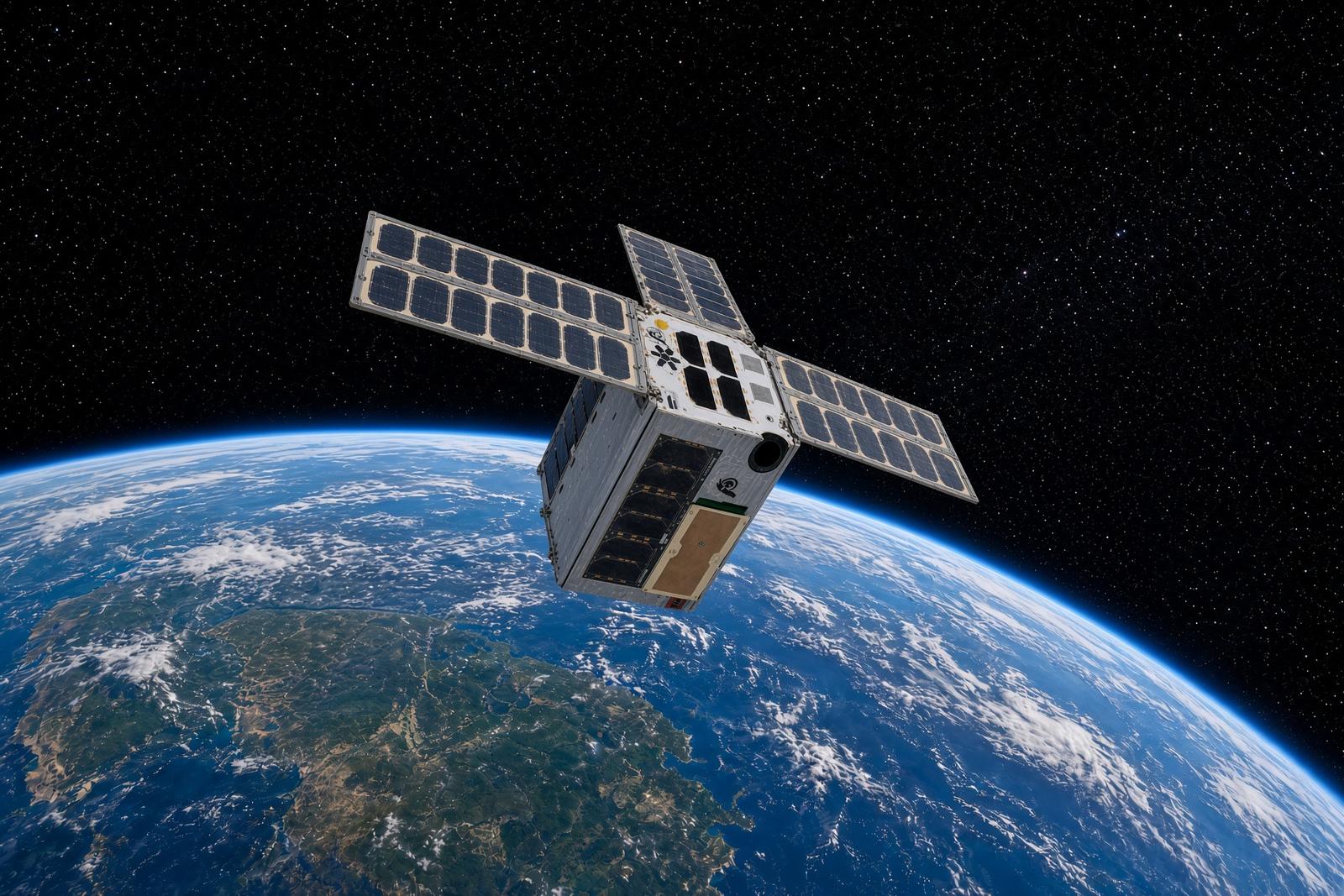
Five Russian Zorkiy satellites transmit more than 100 GB of data to Earth daily. Sputniks company devices drop information to ground receiving stations more than ten times a day. This was announced by Roman Zharkikh, the chief designer of the company's nanosatellites.
According to the specialist, the satellites have been operating in this mode since early 2025. The spacecraft have been transmitting data under high load for over a year.
The Zorkiy series of spacecraft are ultra-compact Earth remote sensing satellites. In April 2026, the first space leasing deal took place. GTLC transferred three Zorkiy-2M spacecraft to Sputniks, which successfully passed flight tests and began operation.
In parallel, the ground infrastructure was actively developed — control complexes and data receiving stations capable of handling the increased load on communication channels. And the installation of new software increased the transmission speed of nanosatellites to 100 Mbps.
Sputniks, part of AFK Sistema, also works with satellites of the Sitro-AIS constellation, equipped with automatic identification system receivers. They help track the location of vessels in the World Ocean around the clock. According to the company, Sitro-AIS devices transmit about 200 MB of compressed data per day, performing up to 100 transmission sessions in 24 hours.
Read more on the topic:
- "Sputnix" accelerated the internet in orbit: data will fly ten times faster
- Nanosatellite "Zorky-2M-2" took a picture of the Moon: MSU ballistics experts turned the Earth remote sensing device into an orbital telescope
- Roscosmos and AFK Sistema to create an orbital satellite constellation for Earth remote sensing
Never miss our newsAdd this site to your preferred sources to see us more oftenAdd on Google