The rejection of leap seconds will require software adaptation and complicate astronomical observations. Astrophysicist and science popularizer Vladimir Afanasyev spoke about this.
The leap second was introduced to synchronize Coordinated Universal Time with astronomical observations — the Earth's rotation is uneven.
Synchronization allows for correct matching of data from sensors on bridges, dams, and skyscrapers, ensures the operation of the Internet of Things, and controls operations in high-frequency trading.
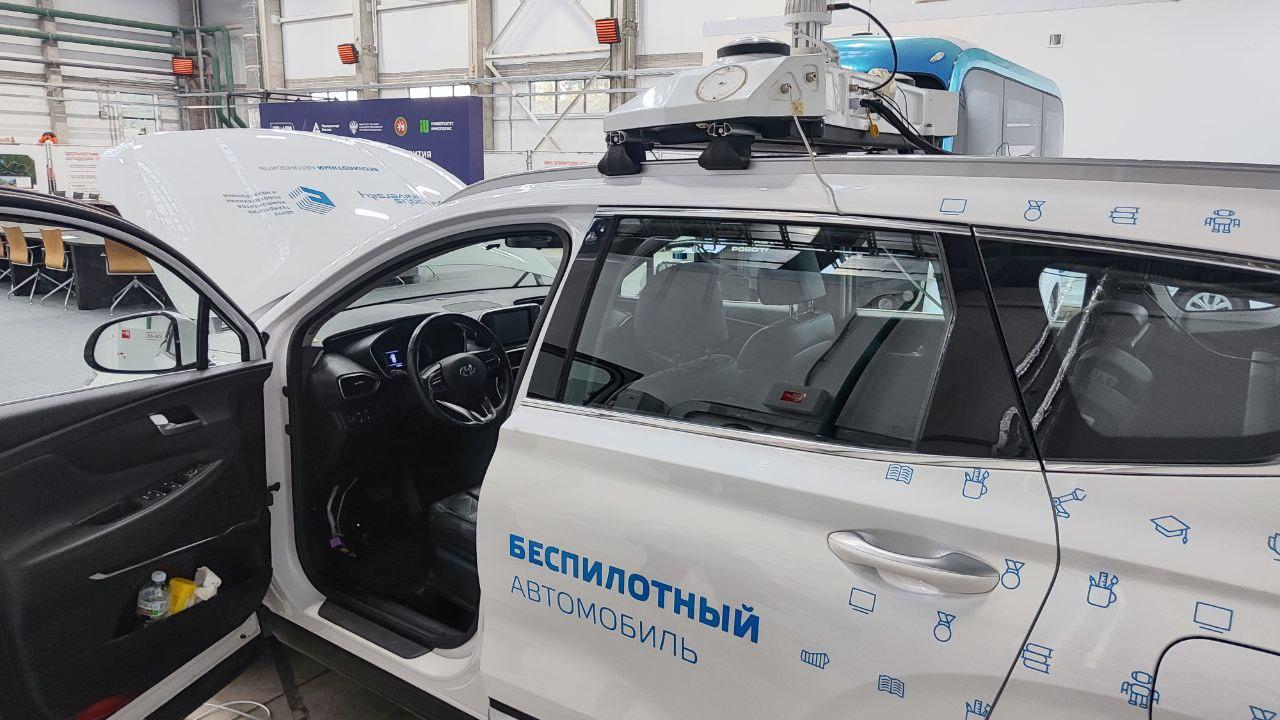
Currently, these processes are imperceptible to the public, but when the time comes for mass air taxis and self-driving cars, accurate time determination will become even more critical, because for autonomous vehicles, even fractional-second errors can lead to accidents.
The main problem is the inverse operation. Computer systems have already learned to work with adding a second, but may not be ready for subtracting it. Such a scenario can create risks for critical digital infrastructure.
Afanasyev suggested that corrections would have to be made to the software to account for time shifts.
Read more on the topic:
Never miss our newsAdd this site to your preferred sources to see us more oftenAdd on Google