The Russian computer vision market could grow by 29% in 2026, reaching 28.4 billion rubles. This forecast was presented by the analytical agency AIANA. The main drivers of growth will be object recognition and video analytics systems used in industry, transport, and smart city projects.
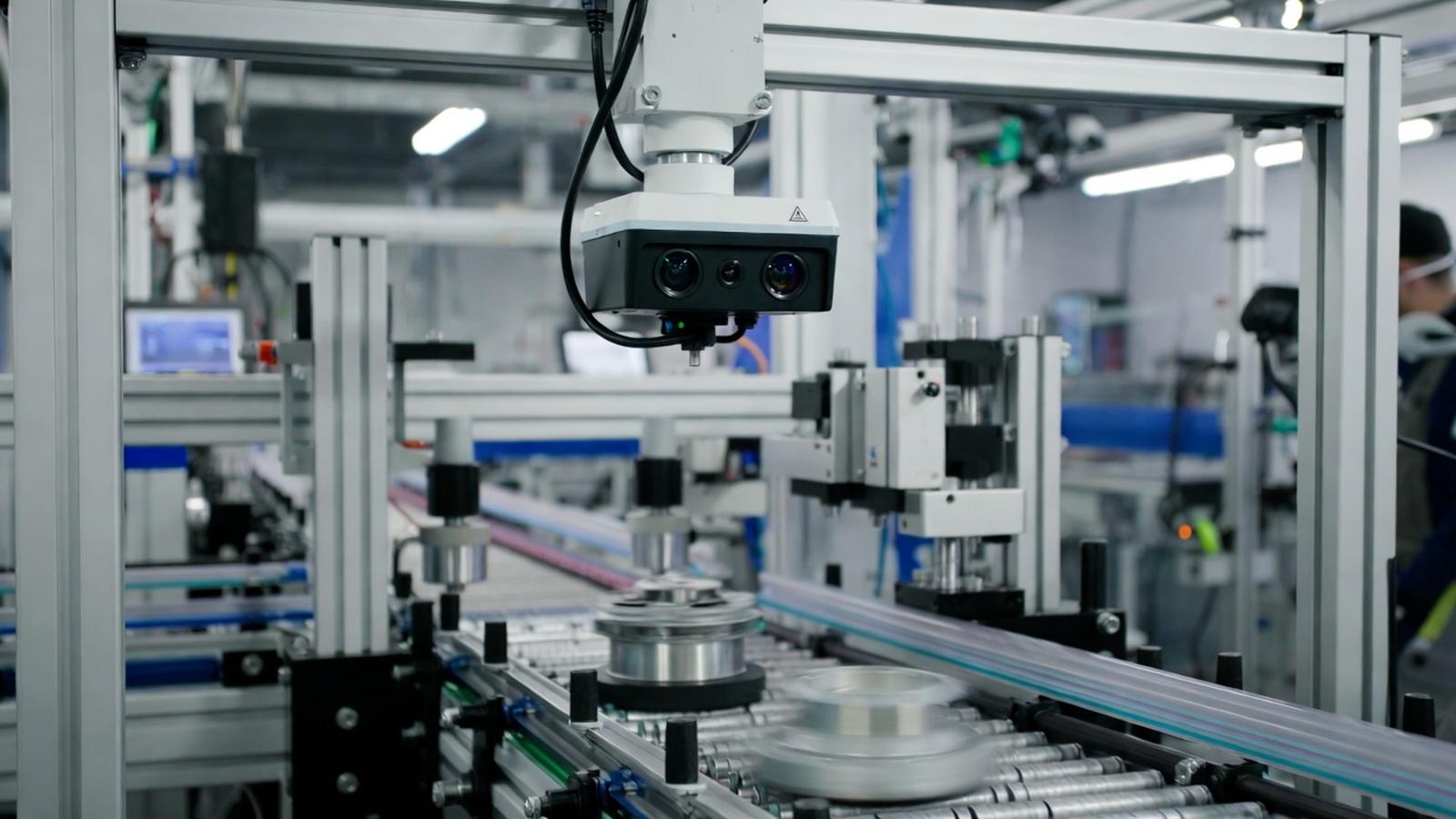
In 2025, the computer vision market grew by 43%. For comparison, the entire Russian artificial intelligence market grew by 30% over the same period. Almost half of the revenue from computer vision — 49.6% — came from video stream analysis.
The object recognition sector grew the fastest. This segment added 56% and accounted for 25.2% of the market. Facial recognition grew more slowly — by 24%. Its share was 11.8%.
The state remains the largest customer of computer vision technologies, accounting for 32.5% of market revenue. Another 22% is provided by projects in security and defense, and 11% each by transport and logistics, as well as housing and communal services and smart cities.
However, further growth may follow a different scenario. Previously, to solve a specific problem, developers often needed to collect large sets of images and videos, and then train a specialized neural network on them. Now, some tasks can be performed by universal models that are already capable of analyzing visual information.
AIANA notes the capabilities of the Qwen-VL family of models and Grok 2 Vision. According to analysts, such solutions can simplify and reduce the cost of implementing computer vision. As a result, some orders may shift from developers of specialized systems to providers of universal models.
This does not necessarily mean the disappearance of specialized solutions. Sergey Golitsyn, Head of AI at IT holding T1, notes that large projects in security and infrastructure require resources for deployment and maintenance, so they are often awarded to a limited number of suppliers. In the commercial sector, a different approach is common — the system is first tested on one object, and then scaled to dozens or hundreds of sites.
Visually-linguistic models (VLMs) are becoming an additional direction of development. According to Dmitry Dyrmovsky, CEO of GK TsRT, they are capable not only of detecting events in video but also of describing what is happening, linking details, and answering questions about the content of the recording.
Read more on the topic:
Never miss our newsAdd this site to your preferred sources to see us more oftenAdd on Google