The average OSAGO payout in Russia for January — August 2026 increased by 10.3%, to 126,351 rubles, while the average cost of an annual policy increased by 6.8%, to 7761 rubles. These data are provided by the Russian Union of Auto Insurers (RSA). Market participants attribute the pressure on the system to rising spare parts prices, court recoveries, and insufficient compensation for full repairs.
In August, the average payout reached 141,679 rubles. According to the RSA, in the first eight months, insurers collected 228.4 billion rubles in premiums, and the total amount of payouts was 178.6 billion rubles. The latter figure includes legal costs and payments from the compensation fund. Consequently, collections still exceed payouts, but the average compensation is growing faster than the average cost of an annual policy.
As of September 19, 2026, updated directories of spare parts, materials, and labor-hour costs used in calculating insurance compensation are in effect. According to the RSA's estimates, spare parts have, on average, become approximately 8–10% more expensive, and for European cars, the increase can reach 13–15%. The union expects to assess the impact of the new directories on payouts by December or early 2027.
Another problem is the discrepancy between insurance compensation and the actual costs of restoring a car. For cash payments, the wear and tear of parts is taken into account according to the established methodology, so the amount received may not be enough for new spare parts. According to the RSA, the share of payouts reaching the established limit of 400 thousand rubles has approached 10%. At the same time, in 2025, 97 thousand cases of recovery of insurance compensation under OSAGO were filed in Russian courts — 9.6% more than a year earlier.
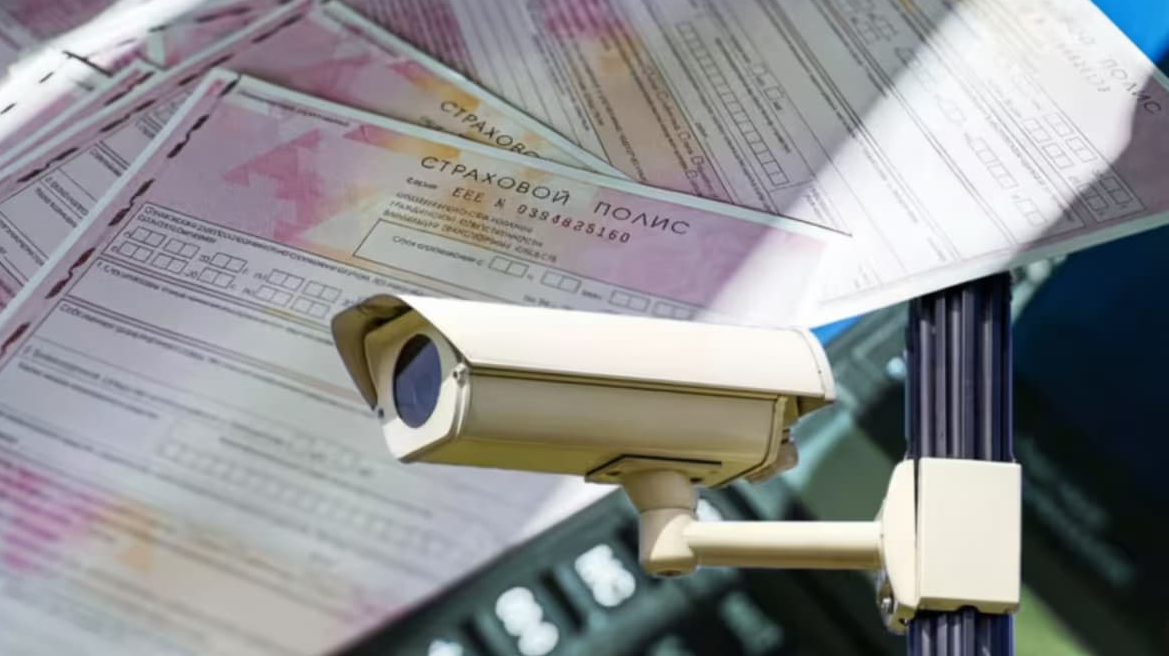
Insurers advocate for changing the rules of in-kind compensation and limiting recoveries exceeding the insurance limit. However, representatives of motorists point out that revising tariffs and directories alone will not solve the problem if compensation continues to lag behind the real cost of repairs. Against this background, the industry also relies on monitoring the availability of policies using road cameras, which, according to an RSA representative, is in the final stage of preparation.
Read more on the topic:
Never miss our newsAdd this site to your preferred sources to see us more oftenAdd on Google