Translated with AI from the Russian original.
United Engine Corporation (ODK) presented Russian solutions for distributed power generation to Togo and Niger. The issue was discussed at the first meeting of the Russian-Togolese intergovernmental commission on trade, economic, scientific, and technical cooperation, co-chaired by Russian Energy Minister Sergey Tsivilev; the prospects for using ODK equipment were also presented in Niger.
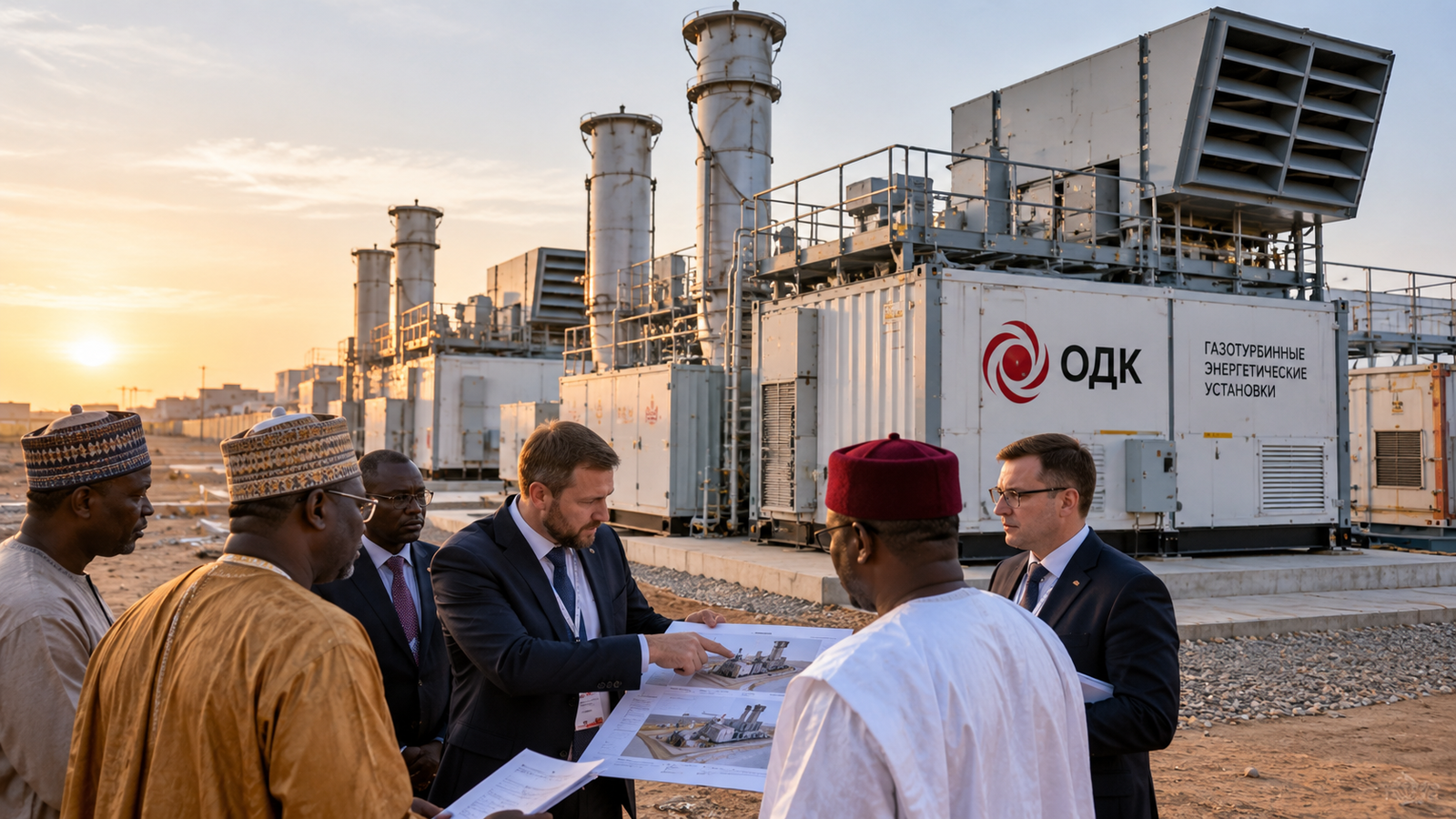
The Russian side offered partners joint projects for distributed power generation and the installation of gas pumping units. Their implementation will eliminate electricity shortages, provide electrification of port infrastructure, and create joint ventures with local businesses. Ready-made solutions were offered by ODK Engineering, which intends to cooperate with its international partner, JSC ASH.
ODK produces a wide range of equipment based on gas turbine units with capacities from 2.5 to 25 MW for distributed and industrial generation projects. The corporation's product line includes highly efficient power units with capacities from 6 to 32 MW based on gas turbine engines capable of operating in both low and high temperature conditions. The units are used for power and heat supply to mining facilities, industrial enterprises, data centers, and social infrastructure — among the implemented projects are power plants in Saki and Naryan-Mar based on GTD-6/RM and PS-90GP-25 engines.
The use of ODK equipment in distributed generation will allow for the formation of a balanced and stable energy infrastructure in Togo and Niger.
The corporation emphasized that ODK enterprises have produced 675 power plants with a total capacity of 6 GW and a total operating time of over 26 million hours.
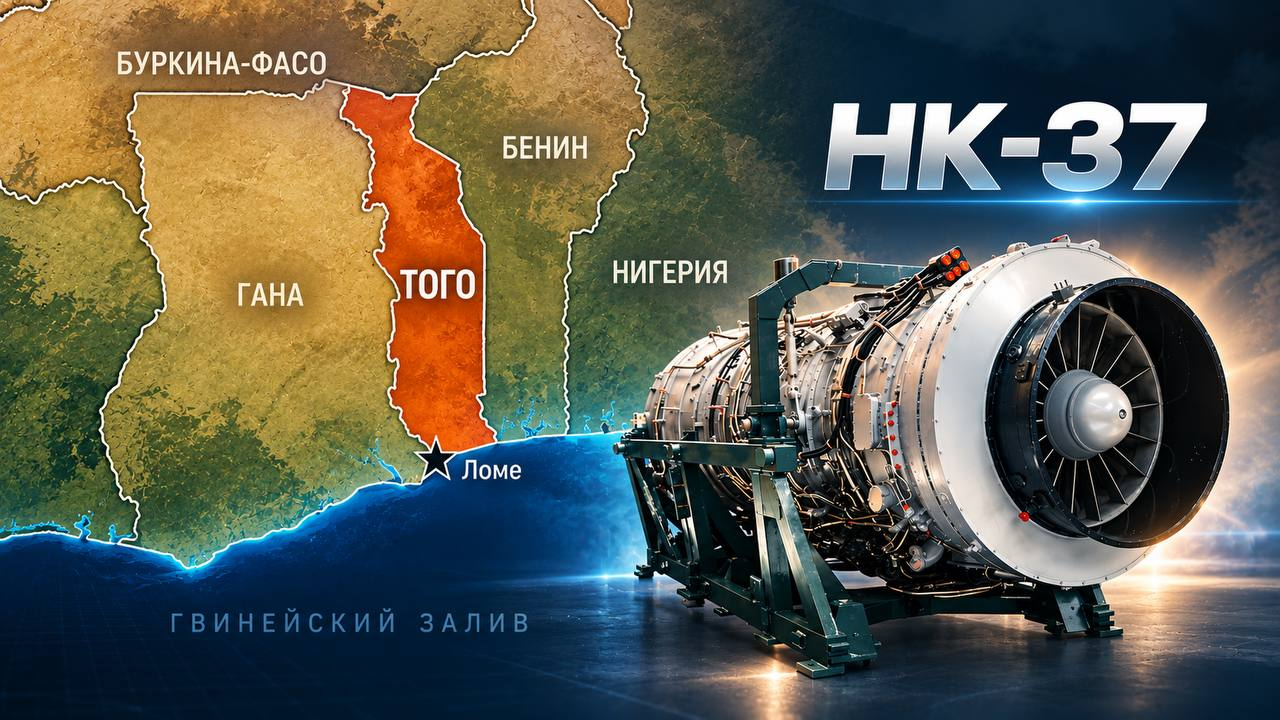
A separate direction is rapidly deployable power plants based on the modernized industrial NK-37 engine, created on the basis of the NK-32 aircraft engine used on the Tu-160. ODK Engineering creates units with capacities of 25 and 32 MW in containerized and mobile versions; simultaneously, the design of low-power mobile gas turbine power plants up to 2.5 MW is underway.
For Togo and Niger, these solutions are primarily considered as a way to provide local facilities with electricity where the capabilities of the centralized energy system are limited. However, the Russian side has not yet disclosed the specific parameters of future facilities, their construction timelines, and the volumes of possible supplies.
Read more on the topic:
Never miss our newsAdd this site to your preferred sources to see us more oftenAdd on Google

















