Gas turbine manufacturer Nuovo Pignone – a subsidiary of the American company Baker Hughes – stopped supplying equipment to Yamal LNG due to sanctions, but demanded 149 million euros under a contract it itself ceased to fulfill. The High Court of Singapore ruled: sanctions do not relieve the supplier of obligations, and the clause that protected the Italians turned against them.
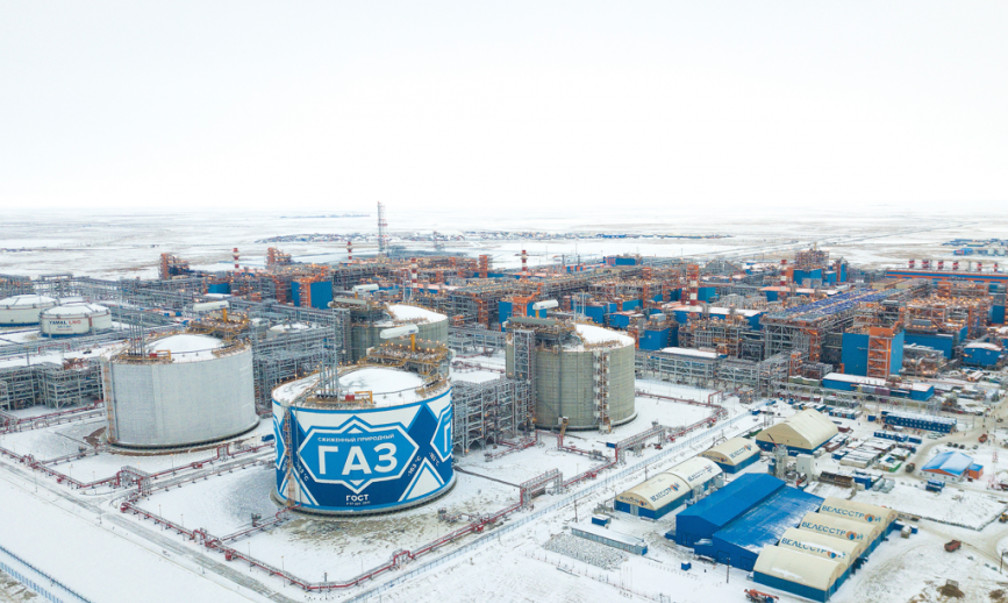
The contract for gas-fired units for Yamal LNG, worth 149 million euros, was signed by the parties in December 2021. The agreement included a sanctions clause: if restrictions were imposed, the gas turbine manufacturer was obliged either to obtain export licenses or to adapt the design, excluding sanctioned components. The Italians did neither – instead, they demanded money.
From February 2022, Nuovo Pignone's subcontractors began to refuse to supply components. Yamal LNG stopped payments – the next tranche, according to the customer's calculations, would only increase losses from failed deliveries. The gas turbine manufacturer insisted on payments under bank guarantees – and it was this arbitration decision that the High Court of Singapore upheld on September 2, 2026.
The SIAC arbitration, by a majority vote (two to one), established: the suspension of the contract due to non-payment did not relieve the gas turbine manufacturer of the obligation to find ways to continue deliveries.
The case sets a precedent: a sanctions clause in an international contract works both ways. If a foreign supplier refers to sanctions but does not try to circumvent them legally – obtain a license or redesign the product – the customer has the right to terminate the contract and block payments under guarantees.
Read more on the topic:
Never miss our newsAdd this site to your preferred sources to see us more oftenAdd on Google