Translated with AI from the Russian original.
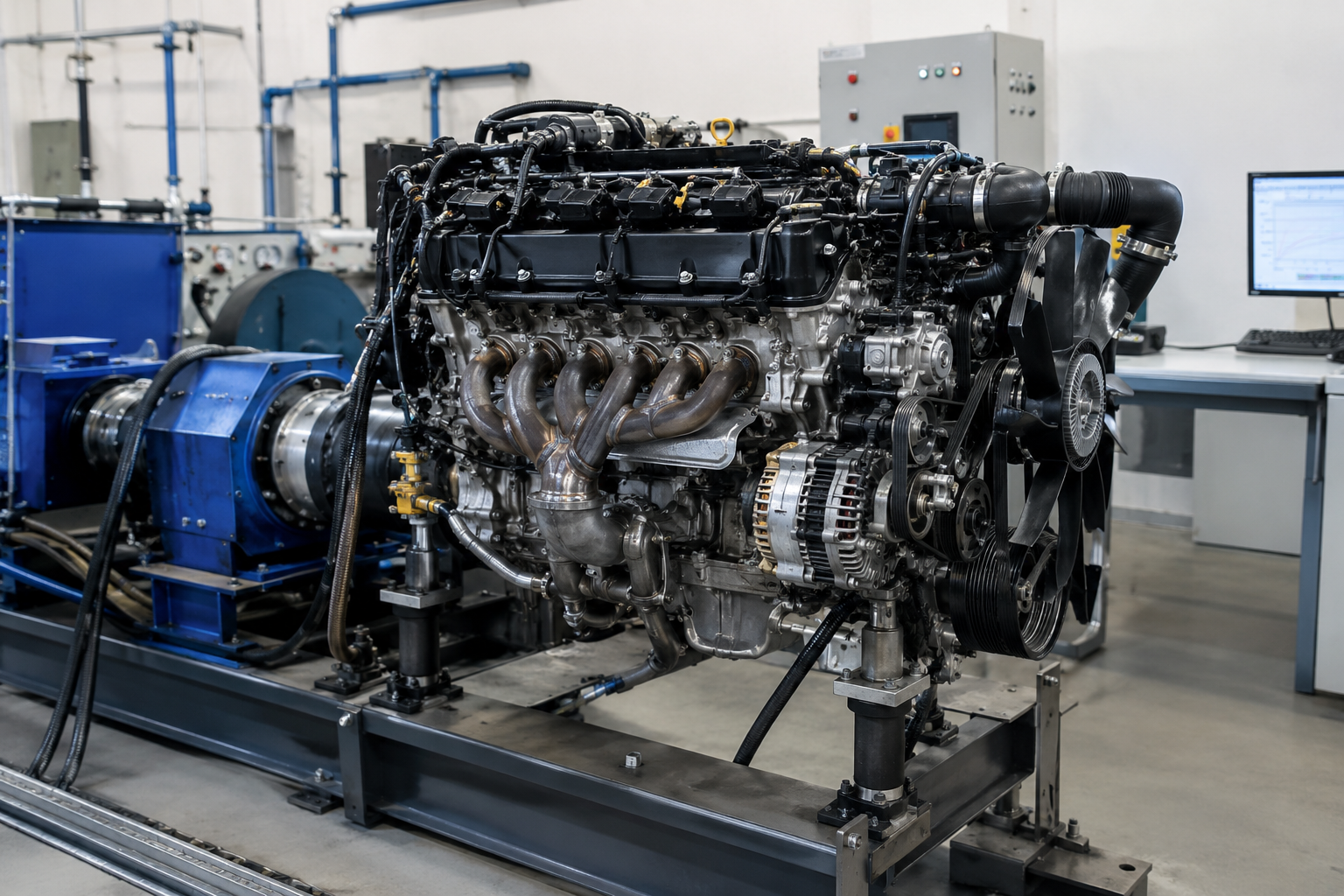
St. Petersburg engineers have proposed a system that allows deactivating gas exchange in individual ICE cylinders and reactivating them without changing the mechanical valve drive. This unusual solution is also designed for diesel generator sets, where, under low load, deactivating some cylinders helps avoid unstable engine operation.
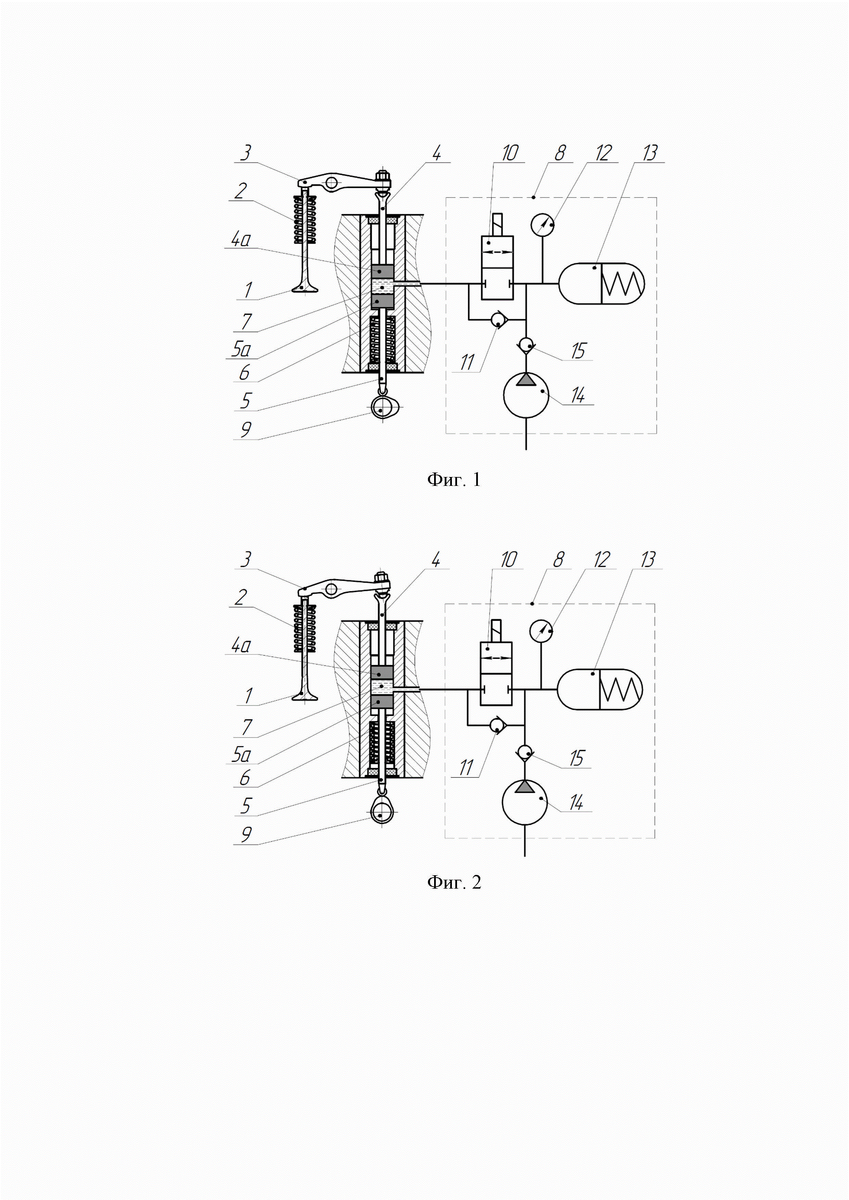
The system is based on a hydraulic mechanism between the camshaft lobe and the valve. The lower tappet, connected to the lobe, acts on the working fluid in the hydraulic chamber, which then transmits force to the upper tappet and further to the valve rocker arm.
When gas exchange needs to be deactivated, a hydraulic distributor connects the chamber to a hydraulic accumulator: fluid moves between them as the tappet moves, but the upper tappet and valve remain stationary.
The main difference of this development is the pressure control in the hydraulic accumulator. A sensor monitors its state, and if it falls below the first threshold, it activates a booster pump that restores the pressure to a second, higher level.
Check valves prevent the working fluid from flowing back through the pump and simultaneously compensate for leaks from the hydraulic chamber, so the system does not require constant operation of the oil pump just to maintain working pressure.
The developers primarily associate the solution with diesel generator sets. At loads less than 50% of maximum power, the engine can operate unstably, which leads to changes in the frequency of the generated current and increased wear. Deactivating one or more cylinders allows the remaining ones to operate in a more loaded mode, and the claimed operating range for the DGU drive is extended to 25–100% of maximum power.
The day before, "Pervy Tekhnichesky" reported on the latest invention by Omsk designer Andrey Kozlov. He patented a device that should simplify the starting of a diesel engine in low-temperature conditions. The principle of the system is to supply heated engine oil directly into the cylinders.
Read more on the topic:
Never miss our newsAdd this site to your preferred sources to see us more oftenAdd on Google

















