Diesel-electric submarines (SSK) of Project 677 "Lada" are armed with "Kalibr" missiles. Journalist Andrey Kots described the principle by which the submarine crew launches these munitions.
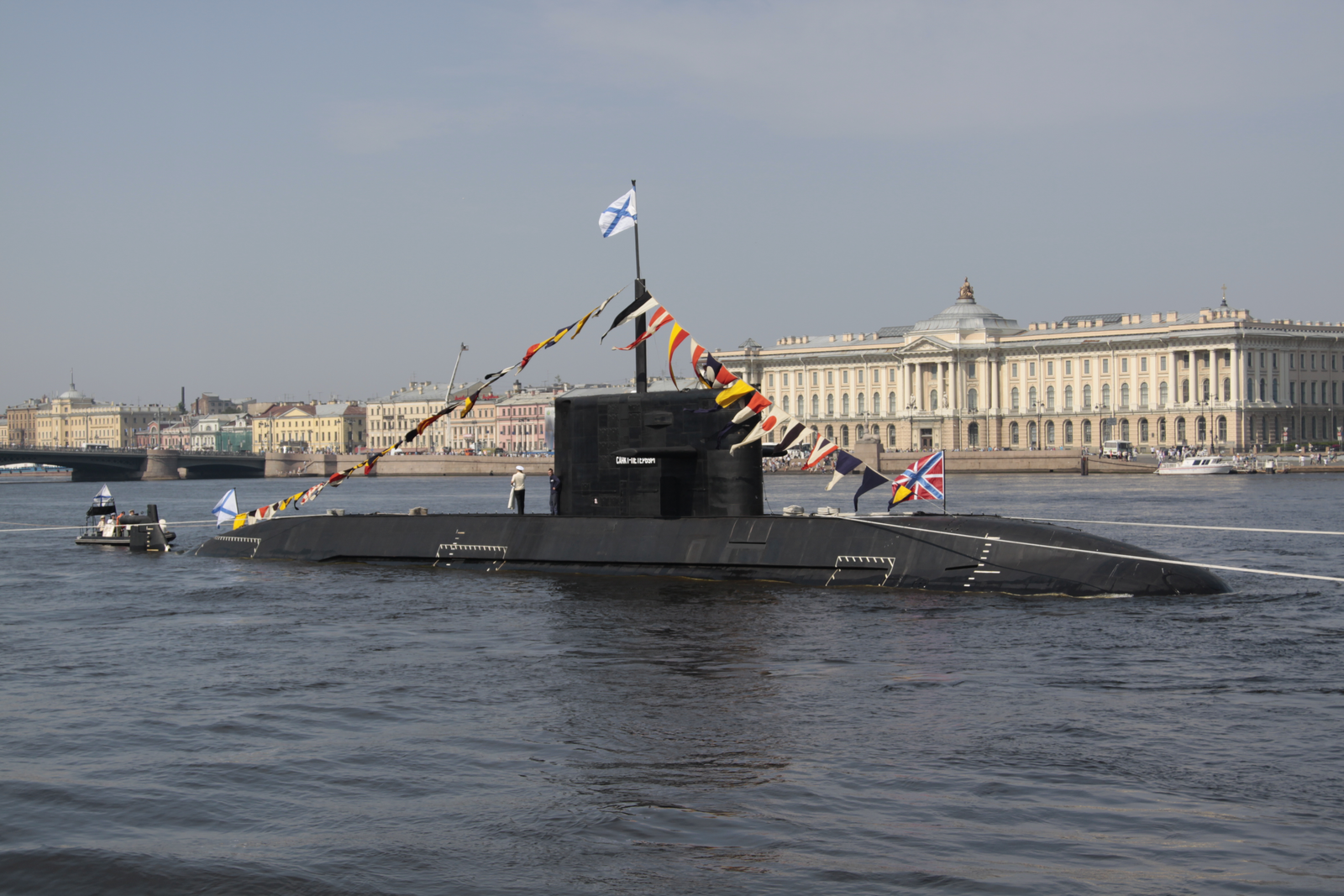
According to him, initially, Project 677 submarines were conceived with an air-independent propulsion (AIP) system, allowing the submarine to stay underwater longer without surfacing for diesel operation. However, the submarines went into series production without them.
According to him, the missiles are located in a sealed launch container with a caliber of 533 mm. After the shot, the "Kalibr" moves underwater for some time.
It needs to move away from the submarine, stabilize, and emerge along a given trajectory to the surface. At the "water-air" boundary, the loads change sharply. Therefore, exiting the water is a brief but critical part of the launch.
Kots clarified that after ejection to the surface, the transport container lid is jettisoned, and the booster stage is activated. Then, the wings, tail unit, and air intake unfold.
When the missile is stabilized in the air, the cruise engine is started. The flight is autonomous, at a low or other programmed altitude. The "Kalibr" is capable of destroying targets at distances exceeding a thousand kilometers.
Kots recalled that Project "Lada" was never rid of its key drawback – the need to rise to snorkel depth to charge its batteries. According to him, the development of an air-independent propulsion system had been underway since Soviet times, but the submarines went into series production without it.
In late August, the sixth diesel-electric submarine of Project 677 "Maloyaroslavets" was laid down at the Admiralty Shipyards in St. Petersburg.
Read more on the topic:
Never miss our newsAdd this site to your preferred sources to see us more oftenAdd on Google