Companies that create Russian AI models do not want to pay additional fees to copyright holders for content used to train neural networks. The AI Alliance believes that such payments could make the development of domestic models more expensive and reduce their competitiveness. This is stated in a letter from the Alliance, which includes Sber, Yandex, VK, MTS, and other companies. The document was sent to Pavel Krasheninnikov, Chairman of the State Duma Committee on State Building and Legislation.
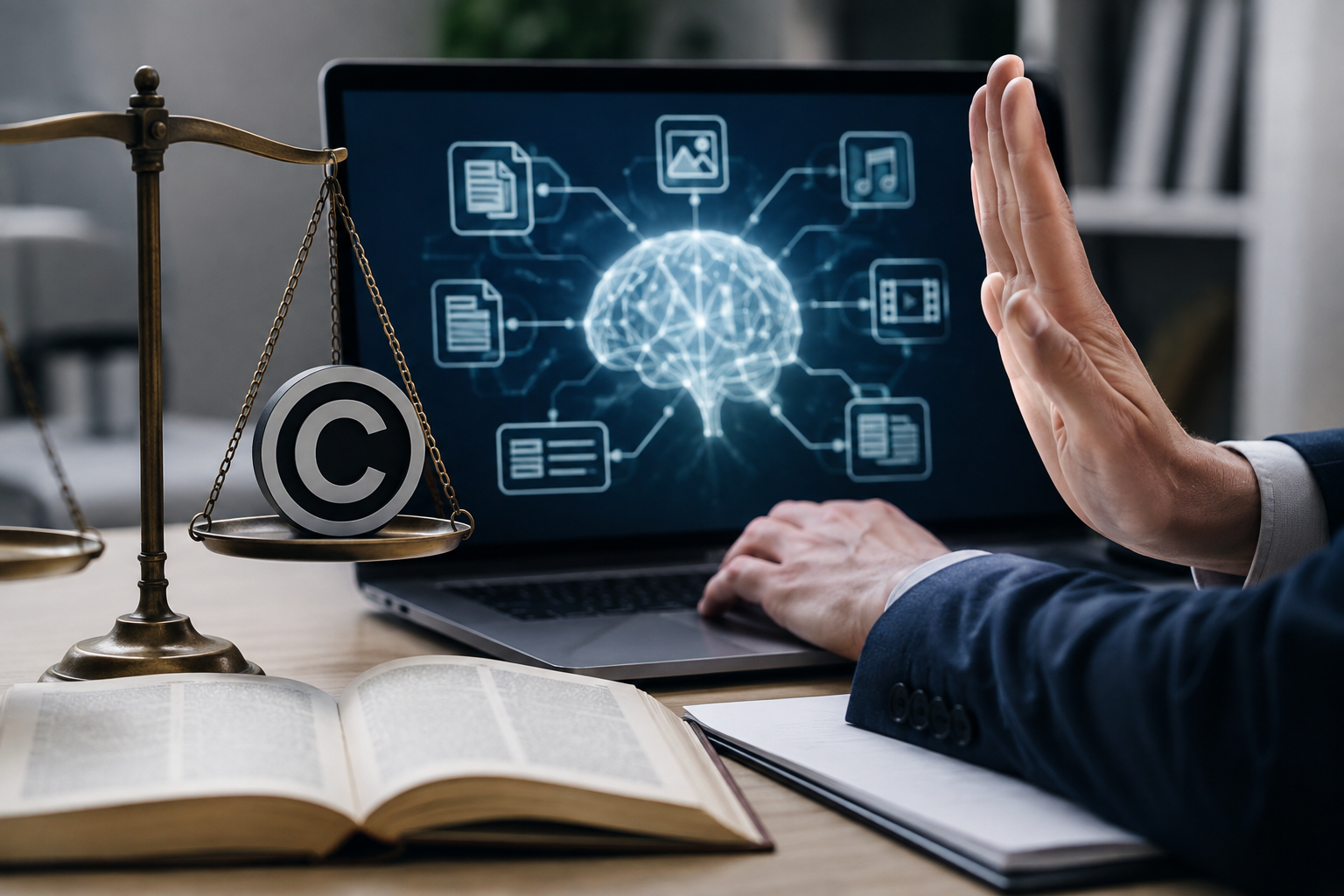
Earlier, a working group led by him proposed giving copyright holders the opportunity to publicly prohibit the use of their content for training AI models. In addition, the idea of obliging neural network developers to pay authors a one-time fee for artistic works used in training was discussed.
Developers disagree with this approach. In their letter, they indicate that additional payments to authors will increase the cost of creating domestic AI models and may reduce their competitiveness. The companies also opposed mandatory labeling of AI-generated content.
However, it is still unclear whether a mechanism for payments to copyright holders will appear at all. Nargiz Mamazhanova, head of legal projects at the law firm "Intellectual Capital", believes that this is unlikely at the current stage of AI development. According to her, large Russian developers have already opposed such a system, and the Ministry of Digital Development supports their position, as such requirements could hinder the development of domestic AI systems.
One possible option is to introduce special author metrics that would allow content creators to independently prohibit its use for training.
The issue is resolved differently in different countries. As Mamazhanova notes, in Japan, the use of content for AI training is allowed and free, while in India, it is allowed to use content for training, but it is necessary to pay for it: there, a non-profit organization collects funds and issues licenses.
Therefore, there are different paths of development, and which one we will take is still unclear, but we are currently facing great difficulties with this. There is no mechanism for considering even such cases. And if such cases suddenly begin to arise, then judges – I deeply sympathize with them – will find it much more difficult to consider such cases, despite their high qualifications.
The office of Deputy Prime Minister Dmitry Grigorenko informed Vedomosti that issues of using copyright objects in training neural networks remain a subject of discussion. Dialogue on this topic continues with business representatives.
Read more on the topic:
Never miss our newsAdd this site to your preferred sources to see us more oftenAdd on Google