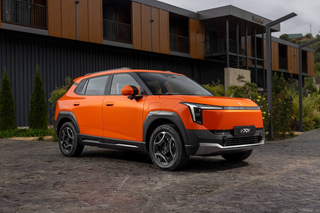
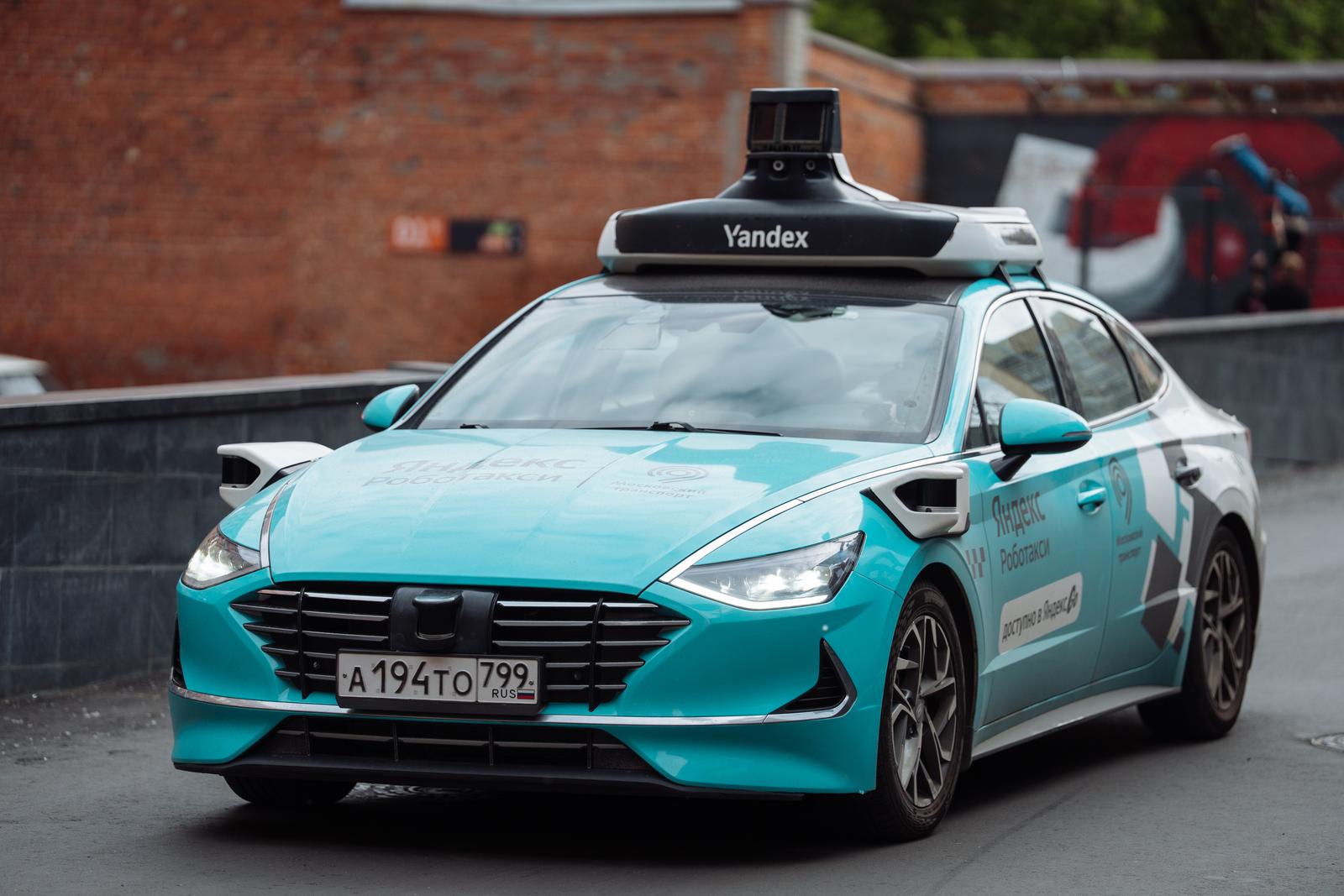
"Yandex" conducted a test drive of a robotaxi through four Moscow districts – Ochakovo-Matveevskoye, Khamovniki, Yasenevo, and Maryino. The route was recorded in one continuous video without editing to show how the autonomous car operates in various road conditions.
In each district, the car navigated specific scenarios. In Khamovniki, these included narrow streets, high pedestrian and cyclist activity, unregulated intersections, and embankments. In Ochakovo-Matveevskoye, the robotaxi had to account for complex interchanges, exits to highways, and higher speeds.
Yasenevo is characterized by unusual intersection geometry, U-turns, and a limited number of exits to the Moscow Ring Road. In Maryino, traffic flow is concentrated on several major highways, and within the district, there are roundabouts, scooter riders, and couriers.
To prepare the system, data from real trips, HD maps, and computer modeling of various road situations were used. Special attention was paid to rare and complex episodes. If several models evaluate a situation differently, such a scenario is further analyzed and used for subsequent training.
We are closely following how "Yandex" is expanding the geography of its autonomous vehicle tests. The first robotaxi tests in urban conditions took place in Moscow's Yasenevo in 2023 – at that time, cars drove without a driver behind the wheel for the first time, with a test engineer only in the passenger seat with an emergency stop button. By early 2026, autonomous taxis reached the central districts of Moscow, gradually covering increasingly complex road conditions.
Concurrently, the company accumulated statistics: during the experimental legal regime from 2022 to 2024, robotaxis made over 92 thousand trips in Sirius, Innopolis, and Yasenevo, covering a total of 8 million kilometers in autonomous mode. Now, judging by the test route through four districts of the capital, the focus is shifting to practicing diverse urban scenarios within a single continuous drive – a logical step towards the declared fleet of over a thousand robotaxis by 2030.
Read more on the topic:
Never miss our newsAdd this site to your preferred sources to see us more oftenAdd on Google