Moscow plans to expand the operating area for robotaxis as early as 2026. According to the Ministry of Transport's plans, approximately 200 autonomous vehicles will be operating in the city by the end of the year. However, not all will be available to regular passengers: about 100 cars will be available for order, while the rest will remain part of a technological experiment.

Currently, services are being tested in Moscow, Innopolis, and the federal territory of "Sirius." The experiment is only conducted in zones with a special legal regime, which is why even in Moscow, it is limited to districts in the Southwest and Southeast.
Yandex confirmed that they are preparing to expand the geography of autonomous vehicles this year. But before that, developers need to ensure that the algorithms can handle complex situations: according to Roman Dushkin, CEO of IT company "A-Ya Expert," autonomous transport has to account for unpredictable human behavior on the road — traffic violations, speeding, and other actions that are difficult to calculate in advance.
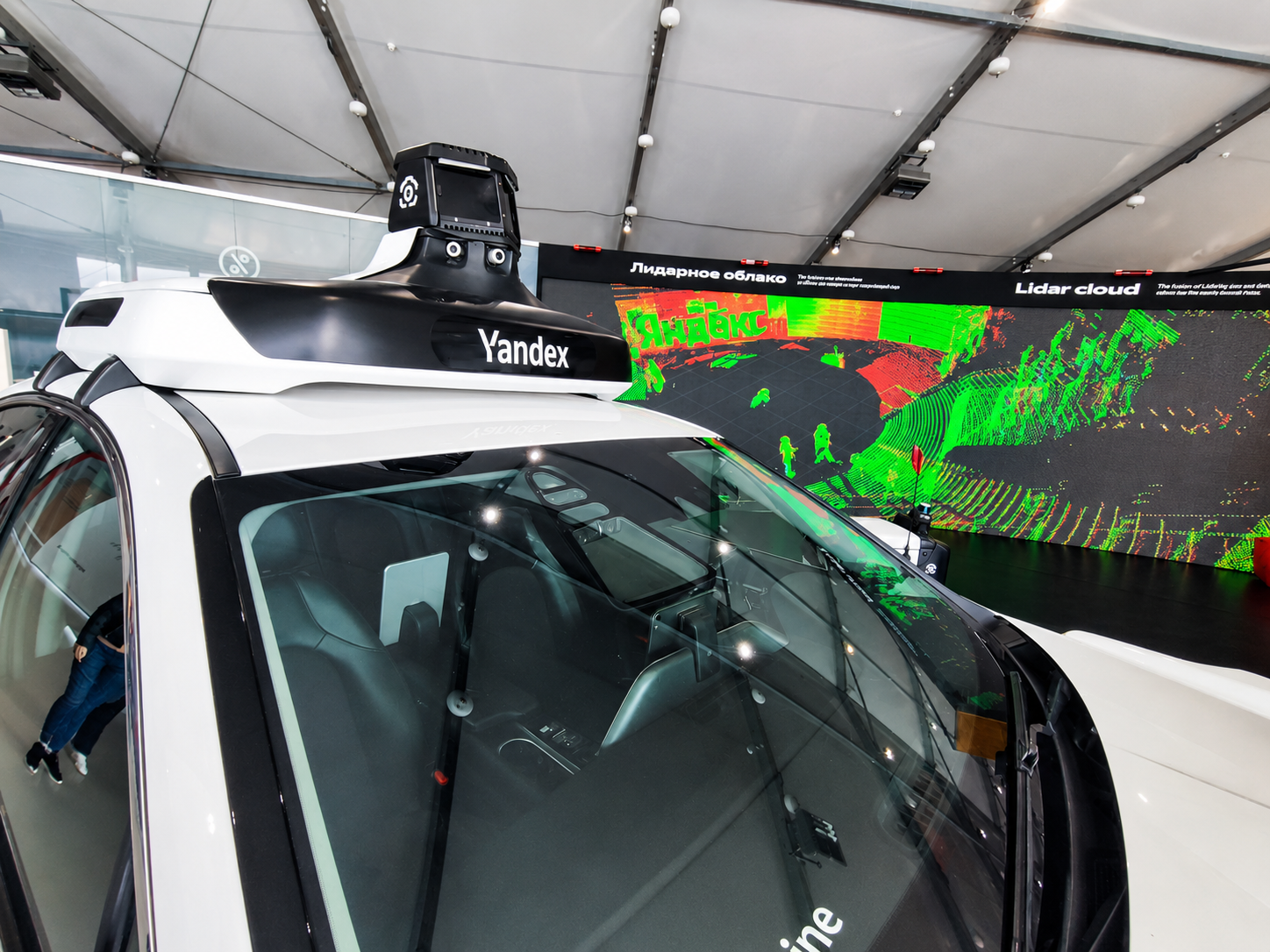
Yandex has been developing autonomous driving technologies since 2016. In 2018, the company began its first robotaxi trials — initially in Innopolis (Tatarstan). In June 2023, test use of the service for passengers began in Yasenevo (Moscow). By the end of 2026, such transport could become part of the industry market.
However, Oleg Amosov, chairman of the public movement "Forum Taxi," believes that a full-fledged domestic solution requires Russian technologies: according to him, the robotaxis were Toyota branded, and the equipment inside was Taiwanese-made.
A test driver will still be present in the cabin of each autonomous vehicle. They will be able to take control at any moment.
Alexey Raykevich, head of JSC "GLONASS," emphasized that taxis, ground robots, and self-propelled vehicles will be connected to a unified identification system based on "ERA-GLONASS." From March 1, 2026, all civilian drones will be connected to it.
Robotaxis will be assigned automatically upon order, but passengers will be able to refuse the trip, just like with regular taxis. At the same time, authorities are looking not only at passenger cars. According to the Ministry of Transport, the number of autonomous trucks could grow to almost a thousand by 2028, and to 4,000 by 2030. The government also wants to expand the fleet of delivery rovers to 20,000 by 2027.
Read more on the topic:
Never miss our newsAdd this site to your preferred sources to see us more oftenAdd on Google