AvtoVAZ has revealed details of the modernization of the Lada Granta manual transmission (MT), which has undergone several serious improvements over the years of production. According to the company's press service, the main change is the transition to a final drive with a gear ratio of 3.9 instead of the previous 3.7. The "shorter" final drive increased torque at the wheels and allowed for more efficient use of the engine's traction capabilities in each gear.
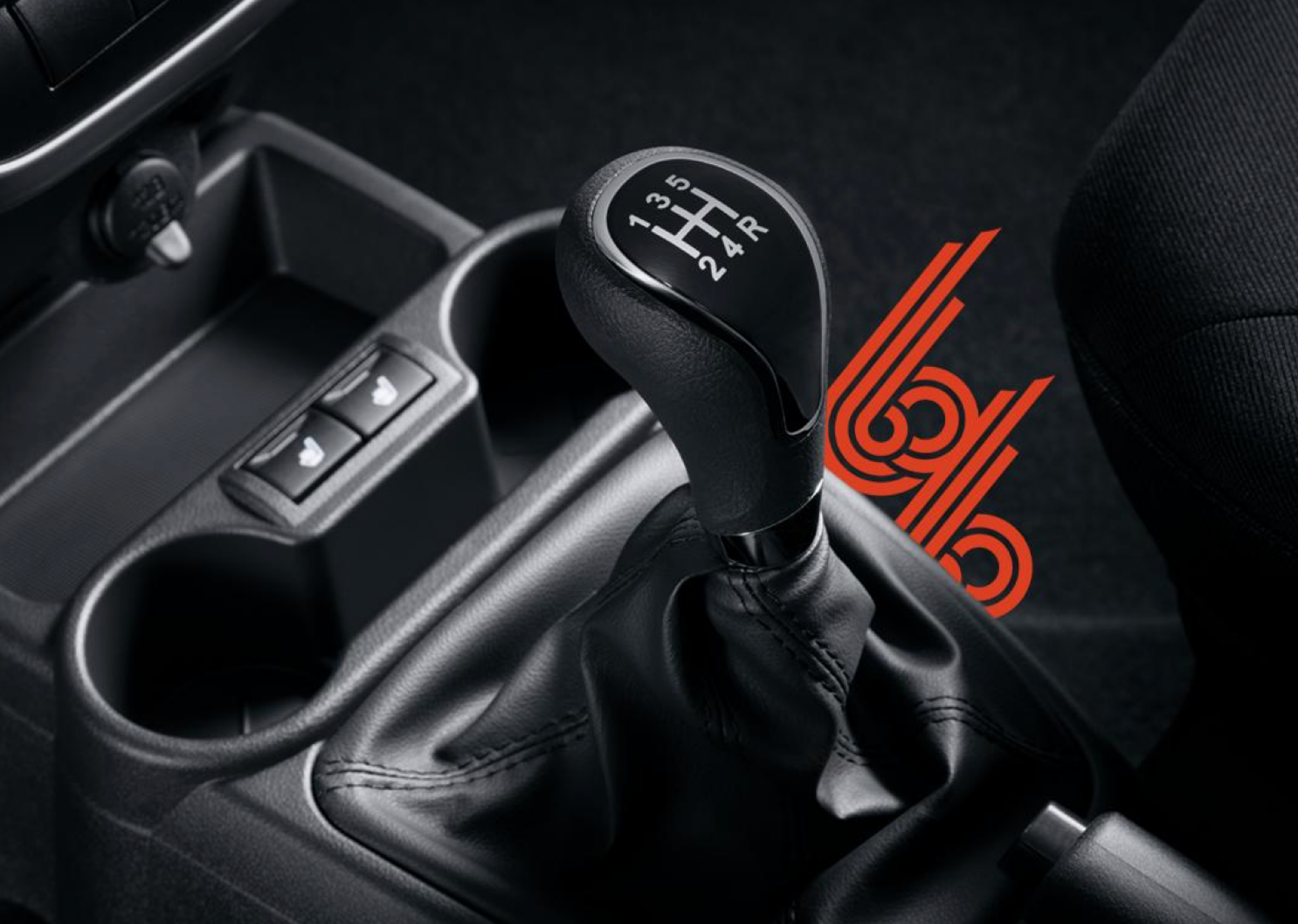
Engineers replaced the clutch drive with a cable one, which reduced vibrations, and moved the gear shifting mechanism from the lower part of the crankcase to the top. Now its operation is less dependent on temperature and oil viscosity — the problem of difficult gear engagement in cold weather is gone. The new mechanism does not require adjustments and provides clearer engagement and smoother lever travel.
Changing the final drive gear ratio gave the car more confident acceleration, increased top speed, and improved fuel efficiency when driving outside the city. The new final drive also works better with 15-inch wheels, to which the Granta evolved from 13-inch ones, adding to its off-road capability and appearance.
AvtoVAZ was left without Japanese Jatco automatic transmissions for Lada Granta in December 2024 after sanctions were imposed, the stock of foreign units ran out, and the car became available exclusively with a domestic "manual". It was then that the question of an alternative transmission became particularly acute.
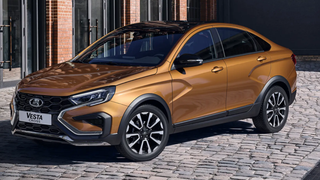
The search for a replacement led to the WLY variator from the Chinese manufacturer WanLiYang — the same one that is already used on Lada Vesta. Back in 2025, the first prototypes of the Granta with a variator rolled off the assembly line, and a year later AvtoVAZ officially confirmed its plans: during the planned corporate vacation, the plant will prepare the line for the production of the two-pedal version, the start of serial production of which is scheduled for 2027. For the installation of the new transmission, engineers had to change the body design — the unit simply did not fit under the hood of the car, which was originally designed for manual transmissions.
Read more on the topic:
Never miss our newsAdd this site to your preferred sources to see us more oftenAdd on Google